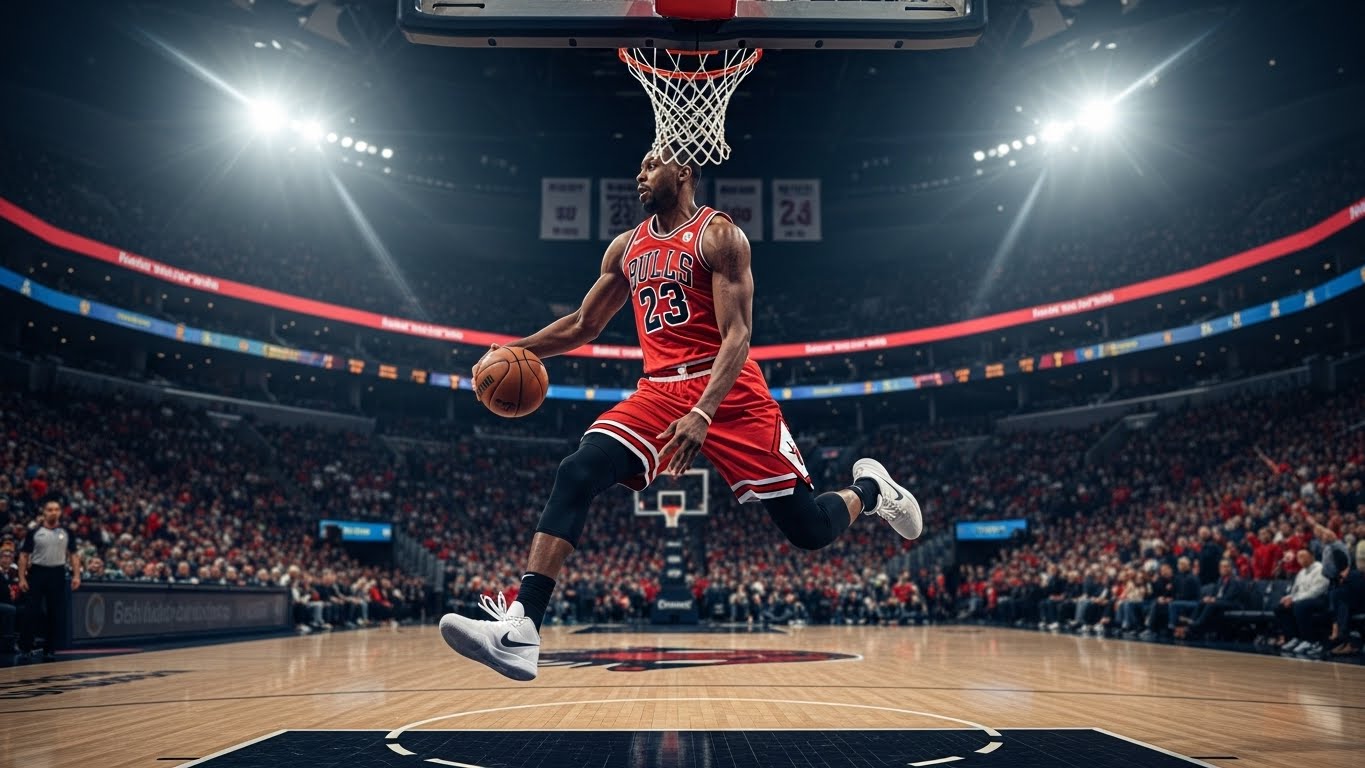
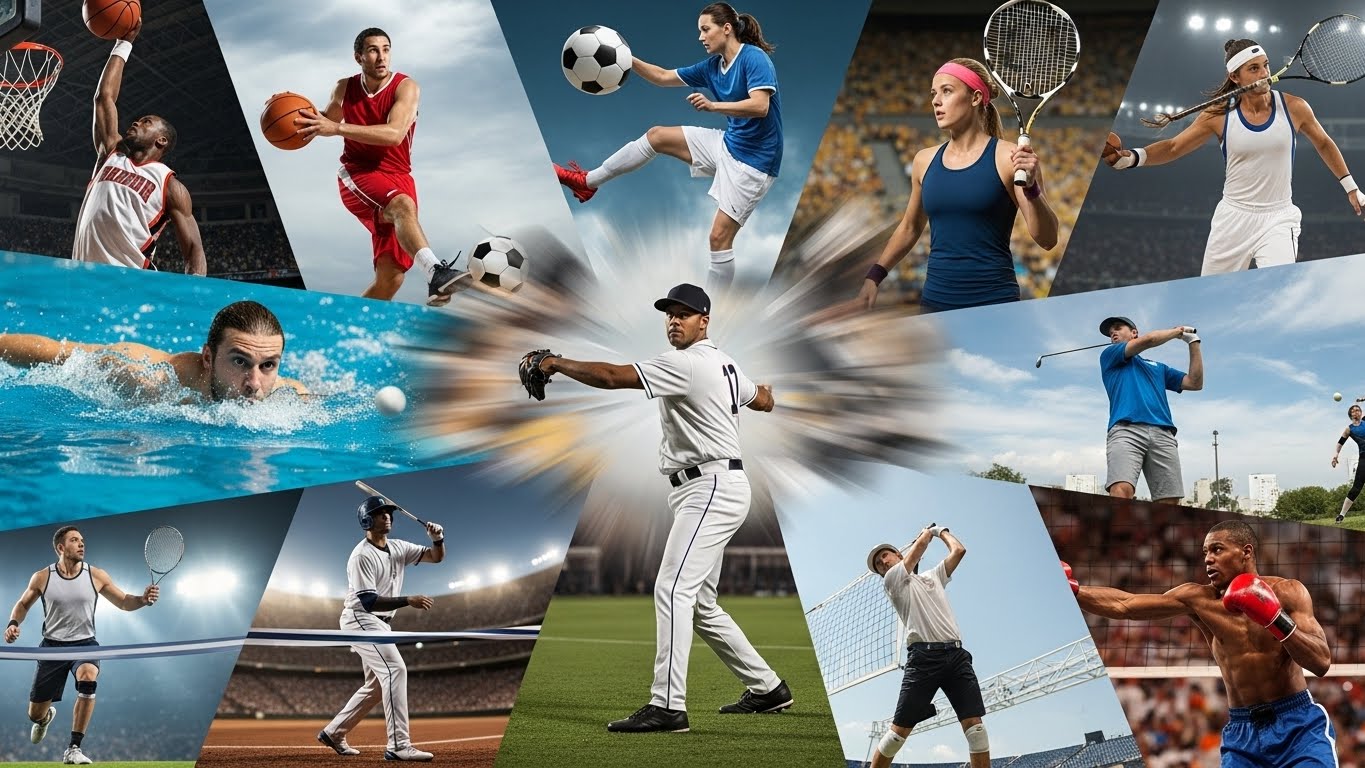
Sports have always held a special place in human society. Beyond the thrill of victory and the agony of defeat, sports inspire, unite, and challenge individuals to be their best. From local communities to international arenas, sports influence physical health, mental well-being, social cohesion, and cultural identity. This blog explores the multifaceted world of sports, highlighting their benefits, societal impact, and the role they play in shaping the modern world.
The Origins and Evolution of Sports
Sports have been part of human civilization for thousands of years. Ancient societies engaged in various forms of competition, from hunting contests to organized games that tested physical and strategic skills. The ancient Olympic Games in Greece are a testament to humanity’s long-standing fascination with athletic excellence. These early competitions were not just for entertainment; they honored gods, showcased discipline, and promoted communal identity.
Over time, sports evolved from informal contests to organized activities with standardized rules. Football, basketball, cricket, and athletics became global phenomena, each developing a unique culture and following. The professionalization of sports in the 19th and 20th centuries turned recreational activities into careers, creating international leagues, tournaments, and fandoms. Today, sports continue to evolve with technology, media, and cultural exchange, influencing billions of people worldwide.
The Physical Benefits of Sports
One of the most obvious advantages of sports is physical fitness. Regular participation strengthens muscles, improves cardiovascular health, enhances flexibility, and boosts endurance. Athletes often follow strict training routines that optimize their performance and prevent injuries.
Sports also help maintain a healthy weight, reduce the risk of chronic illnesses like diabetes and heart disease, and improve overall longevity. Even casual engagement in sports, such as jogging, swimming, or cycling, promotes a more active lifestyle. Beyond physical health, sports instill habits of discipline, time management, and persistence, which are essential for long-term wellness and productivity.
Mental and Emotional Benefits
The impact of sports extends beyond the physical body. Engaging in athletic activity releases endorphins, which naturally reduce stress, anxiety, and depression. The sense of achievement, whether in winning a match or improving personal performance, boosts self-confidence and mental resilience.
Sports teach important lessons in focus, patience, and emotional regulation. Athletes learn to cope with setbacks, handle pressure, and maintain composure during high-stakes situations. Team sports, in particular, foster empathy, communication skills, and collaboration, creating a sense of belonging and camaraderie. This emotional and mental growth often extends beyond the playing field, positively influencing academic, professional, and personal life.
Character Development Through Sports
Sports serve as a powerful tool for character building. They teach values such as integrity, perseverance, leadership, and respect for others. Competing fairly, following rules, and acknowledging opponents’ efforts instill a strong ethical foundation.
Leadership skills are developed naturally in sports. Captains guide their teams, motivate players, and make strategic decisions under pressure. Similarly, facing losses and setbacks strengthens resilience and encourages problem-solving skills. These lessons translate into real-life abilities, helping individuals succeed in various aspects of their personal and professional lives.
Sports as a Cultural Bridge
Sports have the unique ability to transcend cultural, linguistic, and national boundaries. International competitions like the Olympics, FIFA World Cup, and global tennis tournaments bring together people from diverse backgrounds to celebrate athletic excellence.
Sports promote cultural understanding by showcasing different traditions, training styles, and approaches to competition. Fans worldwide engage with foreign athletes, learn about new countries, and share a collective sense of excitement. Local sports, meanwhile, strengthen community identity, foster pride, and provide a platform for social interaction. Through sports, people find common ground, forging connections that go beyond language and geography.
Professional Sports and the Influence of Athletes
Professional sports have transformed into a global industry, shaping economies, entertainment, and popular culture. Athletes today are not only competitors but also role models, influencers, and agents of social change.
Professional leagues and clubs generate employment, tourism, and media revenue, contributing significantly to national and international economies. Athletes often inspire younger generations, encouraging participation in sports and healthy lifestyles. Many use their public platforms to support charitable causes, advocate for equality, and drive social initiatives. This dual role of athletes—as entertainers and influencers—demonstrates the profound societal impact of professional sports.
Technology and the Modern Sports Experience
Technology has revolutionized sports in numerous ways. Performance analytics help athletes optimize training, prevent injuries, and improve overall efficiency. Wearable devices track vital statistics, such as heart rate, speed, and endurance, providing real-time feedback for better results.
Advancements in broadcasting technology make it possible for fans worldwide to experience live events. Virtual reality, augmented reality, and digital simulations provide immersive experiences, allowing spectators to feel closer to the action. Technology also enhances fairness and transparency through tools like instant replay and video-assisted refereeing, ensuring integrity in competitions.
Women in Sports: Breaking Barriers
Women’s participation in sports has dramatically increased over the past century, challenging traditional gender norms and inspiring millions. Female athletes excel in nearly every sport, from athletics and football to cricket and gymnastics, demonstrating skill, determination, and resilience.
The visibility of women in sports encourages young girls to pursue athletic goals and pursue careers in professional sports. Female athletes also advocate for equality, fair pay, and representation, contributing to broader social change. As a result, women’s sports have gained recognition, sponsorship, and audiences, reshaping the global sports landscape.
Youth Engagement and Development
Sports play a vital role in youth development. Schools, community programs, and sports clubs provide structured environments for children to develop physical, mental, and social skills. Participation in sports teaches time management, goal setting, teamwork, and responsibility.
Young athletes learn to navigate challenges, cope with failure, and celebrate achievements. Coaches often act as mentors, guiding them through personal and athletic growth. The early exposure to sports also instills lifelong habits of fitness, discipline, and perseverance, laying the foundation for healthy and successful adulthood.
Sports as a Catalyst for Social Change
Sports have long been a vehicle for social transformation. They have broken racial and cultural barriers, promoted inclusion, and inspired social movements. Iconic moments in sports history, such as athletes advocating for civil rights or gender equality, illustrate the power of sports to influence society positively.
Community-based sports initiatives often support education, health awareness, and youth empowerment. Sports programs for underprivileged children provide opportunities for development, inclusion, and social mobility. This demonstrates that sports are not just about competition—they are a platform for meaningful change.
The Economic Impact of Sports
Sports contribute significantly to the global economy. Professional leagues, international tournaments, sponsorships, merchandise, and media rights generate billions of dollars annually. Major sporting events attract tourism, stimulate local businesses, and create employment opportunities.
The commercial aspect of sports also drives innovation, marketing, and brand engagement. Athletes often become brand ambassadors, while organizations leverage sports events to reach audiences and promote products. The economic ecosystem of sports highlights its importance not only as entertainment but as a substantial driver of growth and opportunity.
The Future of Sports
The future of sports is intertwined with technology, inclusivity, and sustainability. Virtual and augmented reality, artificial intelligence, and data analytics will continue to enhance training, performance, and fan experiences.
Sustainability will play a crucial role, with stadiums, events, and organizations adopting environmentally responsible practices. Inclusivity efforts will ensure that sports are accessible to people of all genders, abilities, and socio-economic backgrounds.
Sports will continue to evolve, reflecting societal values and embracing innovation. They will remain a universal language that inspires, challenges, and unites people across generations.
Conclusion: Why Sports Matter
Sports are more than games—they are a reflection of human ambition, resilience, and creativity. They strengthen the body, nurture the mind, and build character. They connect communities, transcend borders, and inspire change.
From local playgrounds to international arenas, sports shape lives and societies in ways that few other activities can. They teach lessons of perseverance, teamwork, and integrity, creating opportunities for growth, inspiration, and social progress. The enduring power of sports lies in their ability to challenge, unite, and uplift, making them an indispensable part of human culture.