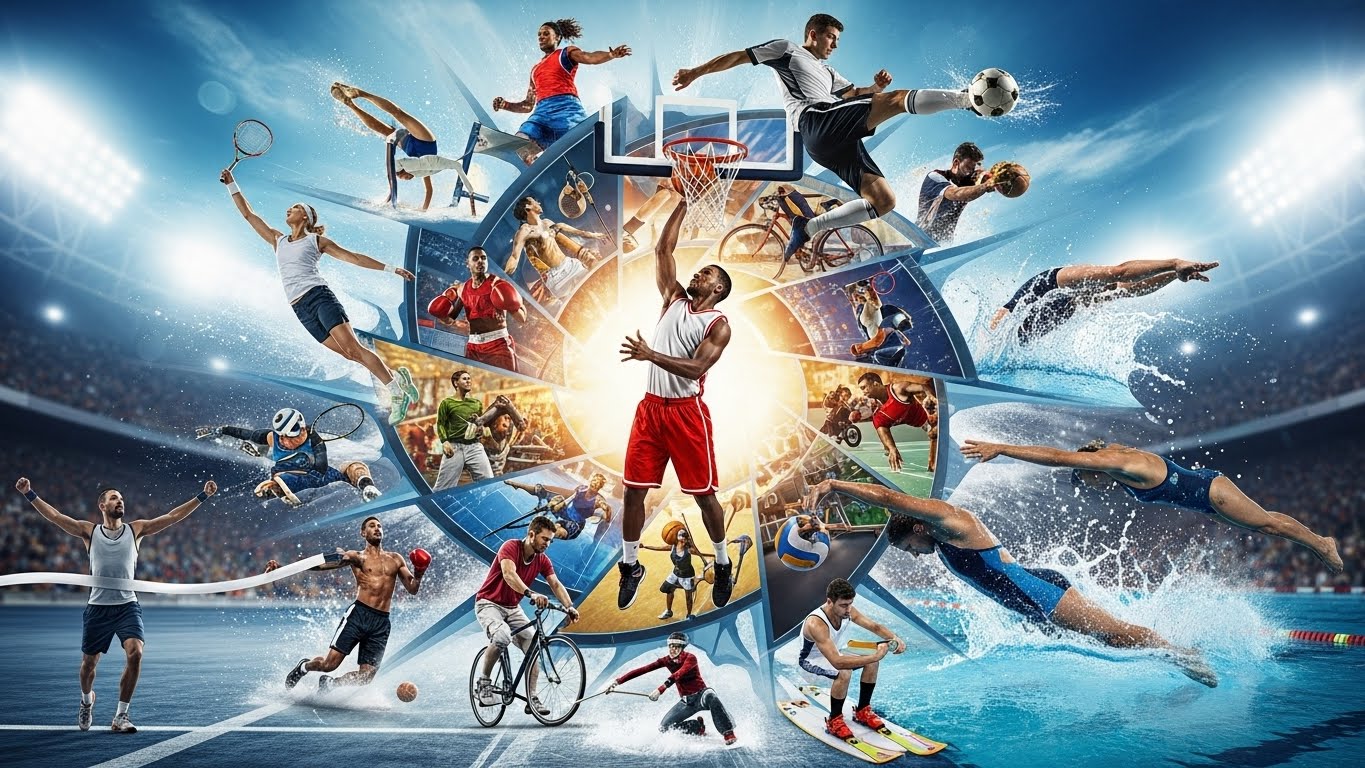
Sports have been an essential part of human culture for centuries. From the ancient Olympic Games to modern-day international tournaments, sports have evolved not just as physical activities, but as sources of entertainment, social cohesion, and global unity. In this blog, we’ll take a closer look at how sports have shaped our societies, how they’ve evolved over time, and what their future might look like in a rapidly changing world.
The Origins of Sports: From Ancient Rituals to Early Competitions
The history of sports stretches back to the earliest human civilizations, where physical activities often had both ritualistic and entertainment purposes.
Ancient Civilizations and Sports
In ancient Egypt, Greece, and Rome, sporting events were often tied to religious ceremonies or used to showcase physical prowess in battle preparation. The Egyptians, for instance, engaged in early forms of wrestling, archery, and swimming, which were part of their training regimens.
The ancient Greeks, however, were the pioneers of organized sports. The Olympic Games, which began in 776 BC in Olympia, were held to honor the god Zeus. The Games featured a series of athletic contests, including running, wrestling, and chariot racing. These early competitions were not only a form of entertainment but also a way to showcase the physical strength and virtue of the athletes. The ancient Romans continued this tradition, adding gladiatorial games, chariot races, and mock battles, often held in colossal structures like the Colosseum.
The Role of Sports in Medieval and Renaissance Times
During the medieval period, sports took on a more informal, often violent nature. Jousting, archery, and various forms of combat training were popular, particularly among the nobility. These sports were not just for leisure but were also a means of preparing for warfare. Meanwhile, peasants engaged in local games that required skill and agility, such as football (the precursor to modern soccer) or ball games.
In the Renaissance era, sports such as tennis, archery, and hunting became fashionable. This period saw the emergence of more structured forms of sports, setting the stage for the organized competitions that would follow in the centuries to come.
The Rise of Modern Sports: The 19th Century Revolution
The 19th century marked a turning point in the history of sports, as industrialization and urbanization contributed to the birth of modern sports. With the rise of the middle class and the spread of formal education, organized sporting events began to take shape.
The Birth of Organized Sports
In England, several sports, including soccer (football), cricket, and rugby, began to be standardized with the creation of governing bodies. The Football Association (FA) was formed in 1863, setting down the first official rules for soccer, which soon spread worldwide. Similarly, rugby, cricket, and tennis were formalized during this period, each establishing its own rules and leagues.
The creation of sports clubs, local leagues, and international competitions became common practice. This era also saw the emergence of professional athletes who began to earn money for their athletic abilities, a phenomenon that would change the sports industry forever.
The Olympic Revival
Another significant development was the revival of the Olympic Games. In 1896, Pierre de Coubertin successfully brought back the Olympic Games in Athens, ushering in the modern era of international sports competition. Unlike the ancient Games, which were limited to Greek city-states, the modern Olympics featured athletes from countries across the globe, fostering a spirit of international camaraderie and competition.
This period also saw the establishment of major global tournaments and leagues, such as the Tour de France (cycling) in 1903 and the first international football tournament, the FIFA World Cup, which was launched in 1930. These events marked the beginning of sports becoming a form of global entertainment.
The Golden Age of Sports: 20th Century Expansion
The 20th century saw sports explode into a global phenomenon. New technologies, mass media, and the rise of the celebrity athlete contributed to the spread and commercialization of sports on an unprecedented scale.
The Impact of Radio and Television
The invention of radio and later television revolutionized sports. Radio broadcasts in the early 20th century allowed fans to follow live events from their homes, while television brought sports to an even wider audience. Iconic moments like the 1966 FIFA World Cup or Muhammad Ali’s legendary boxing matches were watched by millions around the world, turning athletes into household names.
Television also played a critical role in the financial expansion of sports. The ability to broadcast live events led to the rise of sponsorships, advertising deals, and media rights, which provided significant revenue streams for sports leagues and athletes.
The Emergence of Superstars
With the global reach of media, individual athletes began to rise to prominence, and sports stars became celebrities. Legends like Pele, Jackie Robinson, Michael Jordan, and Tiger Woods transcended their respective sports and became symbols of athletic excellence and cultural icons. Their success not only drew attention to their sports but also created new markets for endorsement deals, merchandise, and global brand recognition.
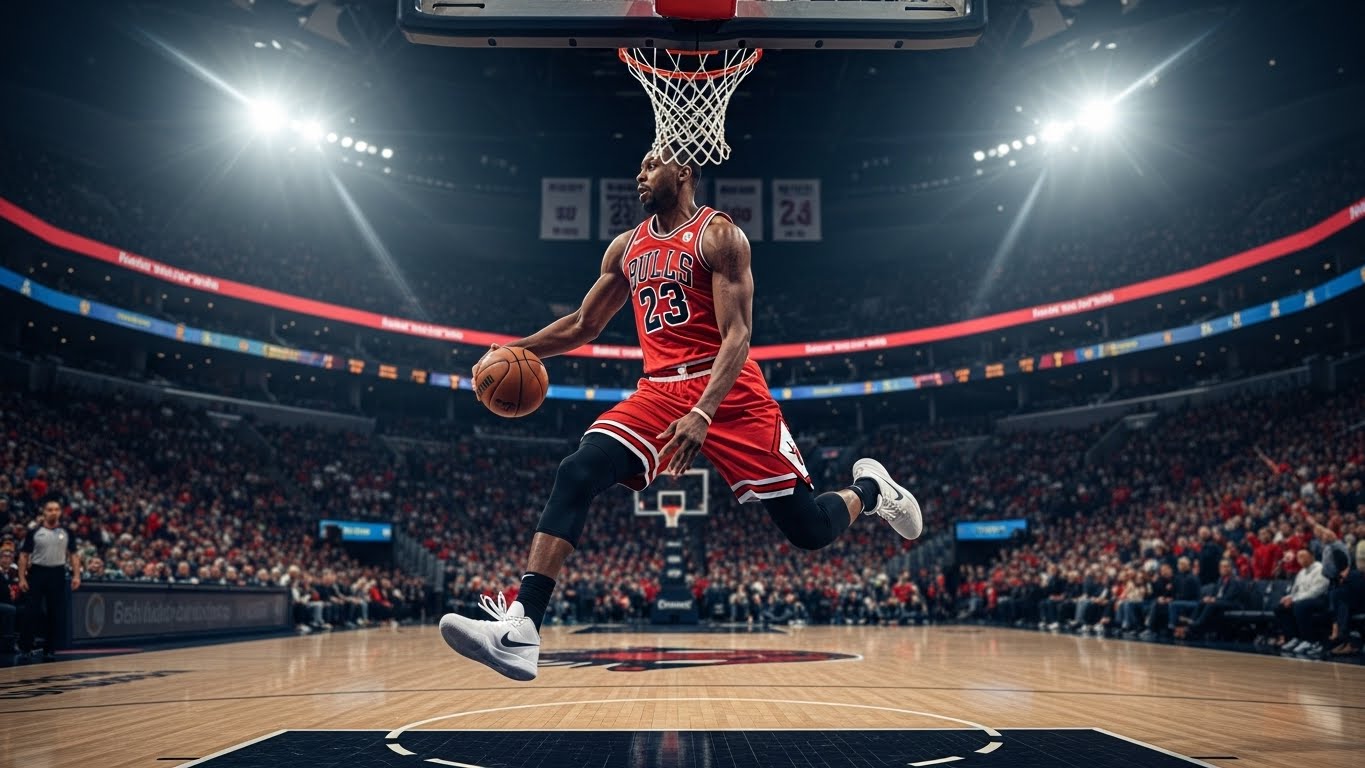
In the world of professional basketball, for example, Michael Jordan’s influence extended far beyond the court, helping to popularize the NBA worldwide. His partnership with Nike led to the creation of the iconic Air Jordan brand, revolutionizing the sportswear industry and solidifying Jordan’s status as a global ambassador for basketball.
The Growth of International Competitions
As sports became more globalized, international competitions like the FIFA World Cup, the Olympic Games, and the Rugby World Cup became some of the most watched and celebrated events in the world. These events fostered a sense of national pride and unity and gave athletes the opportunity to compete on a stage that showcased their talent to billions of people. The world of sports was no longer confined to national borders, and international athletes were recognized as global figures.
Sports in the Digital Age: Innovation and Connectivity
As we enter the 21st century, sports continue to evolve alongside technological advancements. The rise of the internet, social media, and digital platforms has transformed how fans consume sports and how athletes interact with their audience.
The Rise of Streaming and Digital Platforms
The emergence of streaming services like ESPN+, DAZN, and YouTube has given fans access to live sporting events, replays, and highlights anytime, anywhere. Traditional television broadcasts are no longer the only way to consume sports content. Now, fans can watch games on their phones, laptops, or smart TVs, often with the ability to choose which matches they want to follow.
The growing popularity of eSports is another facet of the digital sports revolution. Competitive video gaming has developed into a multi-billion-dollar industry, with professional players and teams drawing massive audiences both online and at live events. Video games themselves are increasingly being treated as sports, with tournaments and leagues attracting millions of viewers.
Social Media and Athlete Branding
Social media platforms such as Twitter, Instagram, and TikTok have given athletes a direct line of communication with their fans. This connectivity allows athletes to build personal brands, share behind-the-scenes content, and even engage in social activism. For example, LeBron James has become more than just a basketball player—he’s a business mogul, philanthropist, and a vocal advocate on social and political issues.
The ability for athletes to cultivate their own image has changed how brands approach marketing and sponsorships. Many athletes now act as influencers, promoting everything from sports gear to lifestyle products, contributing to the commercialization of sports in new ways.
Virtual and Augmented Reality
Virtual reality (VR) and augmented reality (AR) are starting to find their way into the sports world, offering fans new ways to experience games. VR has the potential to immerse viewers in the action, allowing them to watch games as if they were sitting courtside or on the field. Meanwhile, AR can enhance the fan experience by overlaying digital statistics or replays during live games.
The Future of Sports: What Lies Ahead?
As sports continue to evolve, the future holds exciting possibilities. Several trends are likely to shape the future of sports, from the increasing influence of technology to a growing emphasis on health and wellness.
Technology and Performance Enhancement
Wearable technologies, such as fitness trackers, heart rate monitors, and smart shoes, are already helping athletes improve their performance. In the future, technology will likely play an even greater role in training, recovery, and injury prevention. Real-time data and analytics will become essential tools for both athletes and coaches, allowing for more precise improvements in technique, strategy, and physical conditioning.
Inclusivity and Globalization
Another exciting trend in the world of sports is the increasing focus on inclusivity. Women’s sports have gained tremendous momentum in recent years, with growing media coverage and sponsorships. The 2020 Tokyo Olympics, for example, featured more events for women than ever before, and female athletes are now recognized as role models and leaders in their respective sports. Similarly, para-sports are gaining more recognition and opportunities, showcasing the talents of athletes with disabilities.
Sports will continue to serve as a unifying force, with fans from all over the world coming together to celebrate the human spirit of competition. As new sports and activities gain popularity globally, such as surfing and skateboarding, we may see even more diverse sports cultures emerge.
Conclusion: The Power of Sports
From ancient rituals to the global spectacles of today, sports have played an essential role in shaping our world. They inspire, entertain, and unite people across cultures and borders. Whether through the excitement of a live event or the quiet dedication of an athlete training for greatness, sports will continue to be a central part of our shared human experience.
As technology and societal changes continue to shape the sports landscape, the future looks bright for fans and athletes alike. Whatever the future holds, sports will remain a powerful source of inspiration and connection for generations to come.