
Introduction
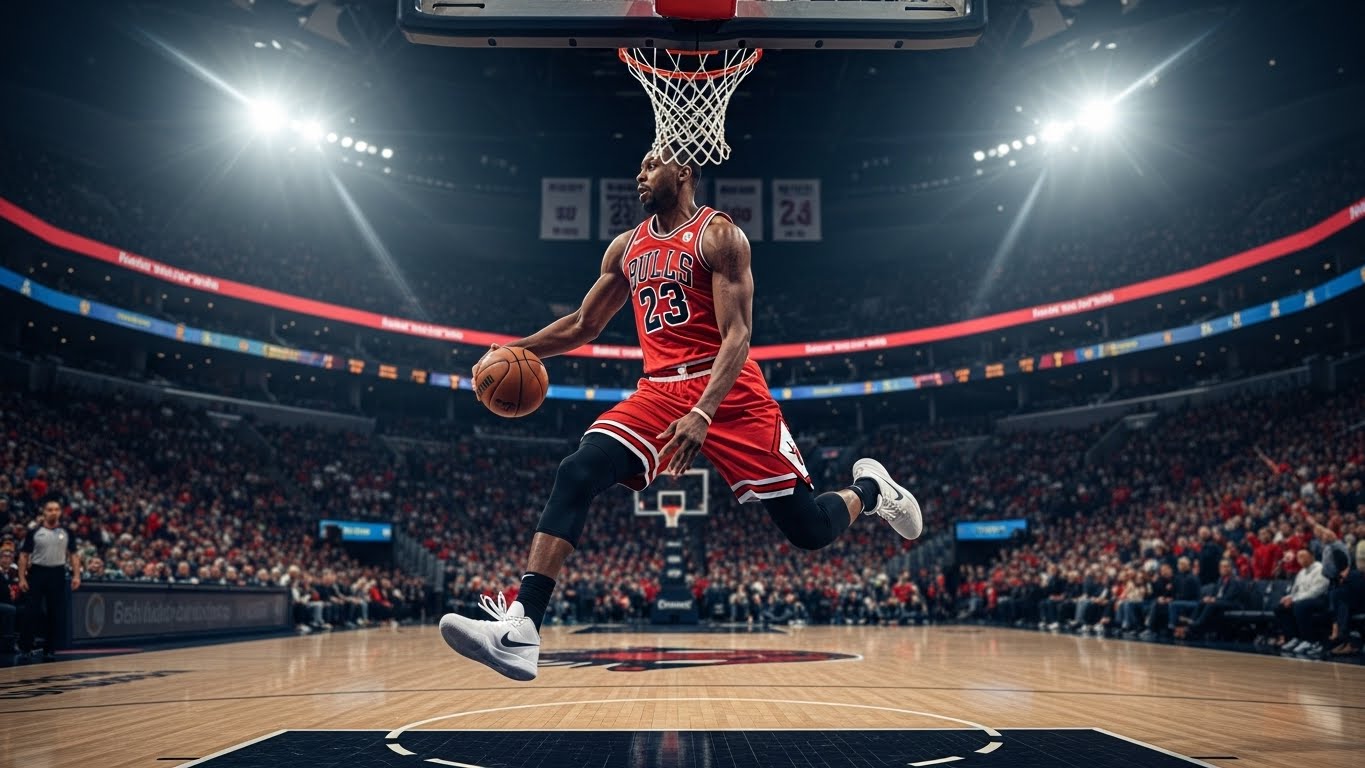
Sports are far more than just games played on fields, courts, or tracks. They are a reflection of human resilience, a mirror of society, and a catalyst for personal growth. From the roar of the stadium crowd to the quiet determination of an athlete training alone, sports touch every facet of life. They teach discipline, foster teamwork, build character, and ignite passion in ways that few other activities can. This blog explores how sports influence society, culture, and individual development, emphasizing their significance far beyond mere competition.
The Cultural Impact of Sports
Sports have always been intertwined with culture. Across the world, they serve as a unifying force that transcends language, race, and social class. Events like the Olympics and World Cup bring nations together, creating moments of shared pride and collective identity. Sports also play a role in shaping cultural values. In many societies, virtues like fairness, perseverance, and respect are instilled through athletic participation. Beyond formal competitions, traditional sports in various cultures preserve history and heritage. Indigenous games, martial arts, and regional sports reflect centuries of cultural evolution, teaching lessons not only in physical skill but also in respect for tradition.
Sports as a Tool for Education
Education is not confined to classrooms, and sports exemplify this principle. Athletic participation teaches lessons that textbooks cannot. Young athletes learn time management by balancing practice with academics. They discover the importance of goal setting, persistence, and adaptability. Coaches often serve as mentors, guiding players through life lessons disguised as training drills. Moreover, sports encourage critical thinking and problem-solving. On a basketball court, a player must quickly decide whether to pass, dribble, or shoot, often in high-pressure situations. These cognitive skills translate into real-life decision-making, making athletes more well-rounded individuals.
The Psychological Benefits of Sports
Engaging in sports provides profound psychological benefits. Physical activity releases endorphins, reducing stress and enhancing mood. Regular participation can help combat anxiety and depression, promoting mental well-being. Sports also build confidence and self-esteem. Achieving a personal milestone, whether it is running a marathon or mastering a technique in gymnastics, reinforces a sense of accomplishment. Furthermore, facing and overcoming failure in sports teaches resilience. Losing a match or making mistakes in training encourages athletes to persevere, a skill that proves invaluable in life’s unpredictable challenges.
Sports and Social Connection
One of the most beautiful aspects of sports is their ability to forge social bonds. Team sports, in particular, require collaboration, communication, and mutual trust. Players learn to support one another, celebrate victories collectively, and accept defeat graciously. Even individual sports foster social connections through shared experiences at competitions, training camps, or community events. Sports clubs, leagues, and fan communities create a sense of belonging, offering opportunities for networking and lifelong friendships. In a world where digital interaction often replaces face-to-face communication, sports remain a vital avenue for human connection.
The Role of Sports in Promoting Health
Physical health is one of the most immediate benefits of sports. Regular activity improves cardiovascular health, strengthens muscles, enhances flexibility, and supports a healthy weight. Sports also encourage healthy lifestyle choices. Athletes often adopt balanced diets, proper sleep habits, and disciplined routines, inspiring others to follow suit. Beyond individual benefits, sports can influence public health on a larger scale. Communities with accessible recreational programs often see reductions in obesity, diabetes, and other lifestyle-related diseases. By promoting physical activity, sports contribute to the well-being of society as a whole.
Economic and Professional Aspects of Sports
The sports industry is a major economic force. Professional leagues, sponsorship deals, merchandise sales, and broadcasting rights generate billions annually. Athletes often become influential figures, shaping trends, inspiring youth, and driving brand loyalty. Sports also create employment opportunities in coaching, management, journalism, and event planning. Beyond direct economic impact, sports tourism boosts local economies. Fans travel across cities and countries to watch games, attend tournaments, or participate in marathons, contributing to hospitality, transportation, and retail sectors. In this sense, sports serve as both entertainment and a vital economic engine.
Women in Sports: Breaking Barriers
Historically, sports were dominated by men, but women’s participation has grown exponentially. Female athletes continue to break barriers, proving that talent and determination transcend gender. Women’s sports leagues, international tournaments, and grassroots programs are expanding opportunities for young girls worldwide. Beyond representation, female athletes inspire social change by challenging stereotypes and advocating for equality. Their success demonstrates that sports are a platform for empowerment, encouraging confidence, leadership, and ambition among women of all ages.
Technology and Innovation in Sports
Modern sports are increasingly intertwined with technology. From performance tracking devices and virtual training simulations to advanced analytics and injury prevention tools, technology enhances athletic performance. Wearable devices monitor heart rates, sleep patterns, and movement efficiency, helping athletes optimize training. Video analysis allows for detailed evaluation of techniques and strategies. Even spectators benefit from technological innovations through immersive viewing experiences, instant replays, and real-time statistics. Technology not only elevates performance but also makes sports more accessible and engaging for fans worldwide.
Sports as a Catalyst for Social Change
Sports have the power to drive social change. Athletes have historically used their platforms to raise awareness about important issues, from racial equality to climate change. High-profile figures speaking out against injustice inspire conversations and encourage activism. Grassroots sports programs also promote inclusivity and social integration, providing opportunities for marginalized communities. By fostering teamwork, respect, and shared goals, sports teach the values necessary for building more equitable societies. They demonstrate that collaboration, fairness, and persistence are not just principles of the game but principles of life.
The Lifelong Benefits of Sports Participation
The lessons learned through sports extend far beyond youth or professional careers. Adults who engage in recreational sports experience improved physical health, reduced stress, and stronger social connections. Sports also provide opportunities for mentoring, coaching, and volunteering, allowing individuals to give back to their communities. Lifelong engagement in sports nurtures discipline, empathy, and resilience, enriching personal growth and fostering a sense of purpose. Whether it is a casual morning jog, weekend soccer match, or competitive marathon, sports remain a lifelong companion that nurtures both body and mind.
Conclusion
Sports are not merely a form of entertainment; they are a force that shapes lives, societies, and cultures. They teach lessons in discipline, resilience, teamwork, and leadership. They unite people across boundaries, inspire social change, and promote physical and mental well-being. In every kick, swing, and stride lies a story of human potential and perseverance. By embracing sports, whether as participants, fans, or advocates, we celebrate not only the thrill of the game but the profound impact it has on our lives. In the end, sports are a reflection of the best qualities of humanity: courage, passion, and the unyielding desire to play, grow, and connect.