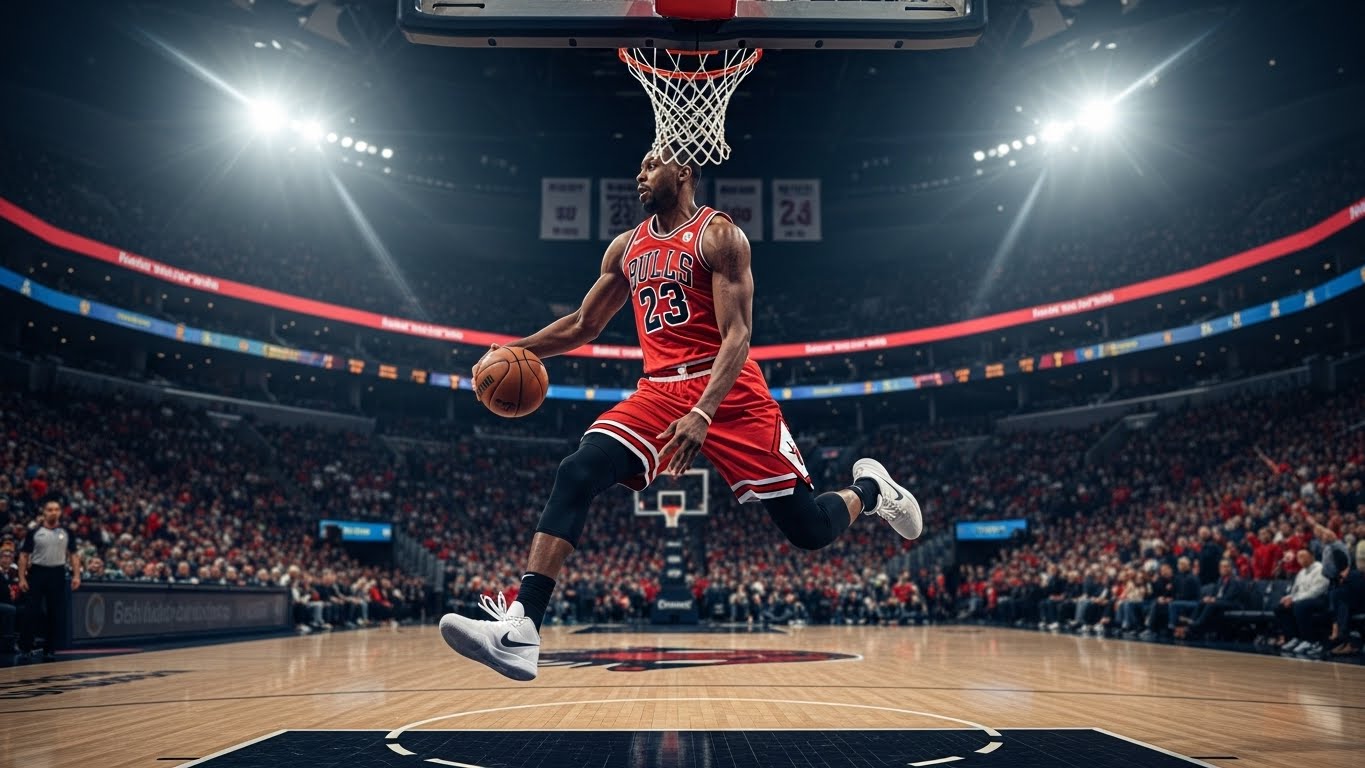
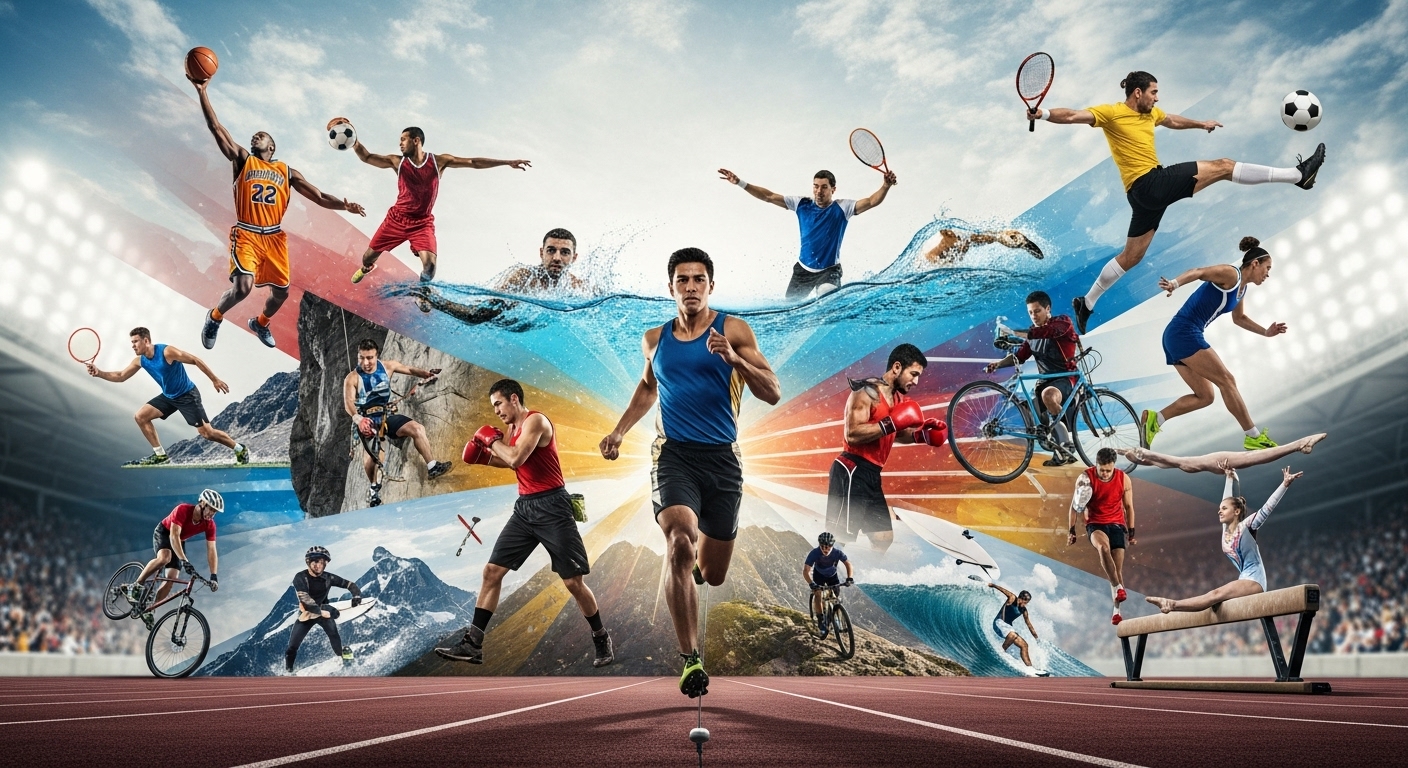
Sports have always been an integral part of human society. From the early days of physical competition in ancient civilizations to the multi-billion-dollar global industries we see today, sports represent more than mere recreation. They embody human ambition, teamwork, discipline, and the pursuit of excellence. In this blog post, we will explore the multifaceted world of sports, examining its history, cultural significance, major disciplines, health benefits, and impact on society.
A Brief History of Sports
The origin of organized sports can be traced back thousands of years. In ancient civilizations like Egypt, Greece, and Rome, sports were not only forms of entertainment but also methods to train soldiers, celebrate religious events, or demonstrate physical superiority. The Olympic Games, originating in ancient Greece around 776 BCE, exemplify how sports have long been intertwined with culture and identity.
Medieval Europe also saw the rise of jousting, archery competitions, and other physical contests that demonstrated skill and courage. With the industrial revolution and urbanization, modern sports began to take shape. Standardized rules, dedicated clubs, and formal competitions emerged, paving the way for the professional sports we recognize today.
The Cultural Significance of Sports
Sports are more than physical contests; they are a reflection of culture, identity, and social values. Different regions emphasize different sports based on tradition and popular interest. Cricket in India and England, soccer in Europe and South America, rugby in New Zealand, and basketball in the United States are examples of how sports become cultural markers.
Sports also foster a sense of community. Local leagues, school competitions, and professional matches bring people together, creating shared experiences and collective pride. National teams in international competitions like the FIFA World Cup or the Olympics often serve as symbols of unity and national identity.
Major Types of Sports
Team Sports
Team sports are perhaps the most popular worldwide, emphasizing collaboration, strategy, and mutual reliance. Soccer, basketball, baseball, rugby, and volleyball are prime examples. In these sports, individual skills are essential, but the collective effort defines success.
Soccer, often called the “world’s game,” captivates billions of fans due to its simplicity and excitement. Similarly, basketball has gained global popularity for its fast-paced action and dramatic plays. Each team sport carries its own culture, traditions, and fan base, contributing to the diversity of the sporting world.
Individual Sports
Individual sports focus on personal skill, endurance, and mental strength. Tennis, swimming, athletics, boxing, and gymnastics are notable examples. These sports highlight the personal journey of athletes, showcasing discipline and dedication.
Athletics, for instance, tests the limits of speed, strength, and stamina, pushing human performance to new heights. In tennis, players combine physical agility with strategic thinking, while gymnastics demands an extraordinary balance of flexibility and precision. Individual sports often celebrate personal achievement while inspiring audiences through stories of perseverance and resilience.
Adventure and Extreme Sports
Adventure and extreme sports have gained tremendous popularity in recent decades. Activities such as rock climbing, surfing, skateboarding, snowboarding, and skydiving appeal to thrill-seekers and risk-takers. These sports combine physical skill with courage, often challenging the boundaries of human potential.
Extreme sports also highlight environmental awareness and the human connection to nature. Surfers ride the waves, climbers scale mountains, and paragliders soar above landscapes, demonstrating not only athletic ability but also respect for the natural world. The adrenaline rush these sports provide creates a unique form of excitement that traditional sports may not always deliver.
Sports and Health Benefits
One of the most significant contributions of sports is their positive impact on health. Regular participation in sports promotes physical fitness, cardiovascular health, and muscular strength. It helps combat obesity, reduces the risk of chronic diseases, and enhances overall longevity.
Beyond physical benefits, sports are crucial for mental health. Engaging in physical activity releases endorphins, reducing stress and anxiety while improving mood and cognitive function. Team sports foster social interaction, teaching cooperation, communication, and leadership skills. For children and adolescents, participation in sports instills discipline, responsibility, and self-confidence, shaping well-rounded personalities.
The Psychology of Sports
Sports psychology explores the mental and emotional factors influencing athletes’ performance. Focus, motivation, resilience, and stress management are critical for success in any sport. Mental toughness often distinguishes elite athletes from their peers.
Visualization techniques, goal setting, and mindfulness exercises are common methods used by athletes to optimize performance. Overcoming setbacks, injuries, or losses requires resilience and a strong mindset. The psychological aspect of sports often mirrors real-life challenges, teaching valuable life skills beyond the playing field.
Women in Sports
Historically, women faced significant barriers in sports, from limited opportunities to societal prejudices. However, the last century has witnessed remarkable progress. Women athletes now compete at the highest levels across nearly every sport, inspiring generations and breaking gender stereotypes.
Icons like Serena Williams, Simone Biles, and Megan Rapinoe have redefined excellence, demonstrating that talent and determination know no gender. Women’s sports leagues, international competitions, and advocacy for equality continue to grow, highlighting the importance of inclusivity and diversity in the sporting world.
Technology in Sports
Technology has transformed sports in unprecedented ways. From equipment design to performance analytics, technology enhances both player experience and spectator engagement. Wearable devices track physical performance, allowing athletes to fine-tune training regimens and prevent injuries. Video replay systems and instant analytics ensure fairness and transparency in competitions.
Virtual reality and augmented reality are also entering the sports arena, providing immersive training simulations and interactive fan experiences. The fusion of technology and sports not only improves performance but also reshapes how fans interact with their favorite games.
Economic Impact of Sports
The global sports industry is a multi-billion-dollar enterprise. Professional leagues, sponsorships, merchandising, and broadcasting rights contribute significantly to national and international economies. Major events like the Olympics or the FIFA World Cup generate massive revenue, tourism, and employment opportunities.
Sports also support local economies. Community sports programs, youth leagues, and recreational facilities create jobs, promote business opportunities, and improve overall quality of life. The economic impact extends beyond the field, demonstrating how sports influence society on multiple levels.
Sports and Social Change
Sports have the power to drive social change and promote awareness of important issues. Initiatives addressing racism, gender equality, environmental sustainability, and public health often leverage sports to reach broad audiences.
Athletes have become influential voices, advocating for justice and equality. Examples include campaigns against discrimination, charitable foundations supporting underprivileged communities, and global movements encouraging healthy lifestyles. Through sports, individuals and organizations can inspire societal transformation and encourage positive action.
Conclusion
Sports are far more than games played on fields, courts, or tracks. They are reflections of human culture, vessels of health and personal growth, and platforms for social impact. Whether through the exhilaration of team competitions, the discipline of individual sports, or the thrill of extreme activities, sports connect people, inspire excellence, and push the boundaries of human potential.
As we continue to embrace and celebrate sports, it is clear that their significance extends beyond entertainment. They shape societies, cultivate resilience, and offer a universal language that transcends borders. In every sprint, swing, jump, and goal, sports tell a story of ambition, perseverance, and the enduring human spirit.