Introduction: Why Sports Matter More Than Ever
Sports have always been a vibrant thread woven through the fabric of human culture. From ancient arenas filled with roaring crowds to modern stadiums broadcasting moments to millions, sports capture emotion, strategy, passion, and perseverance. In today’s fast-moving digital world, where screens dominate our attention and life often feels rushed, sports offer something rare: real-time excitement, shared human connection, and the chance to witness greatness unfold. This blog explores how modern sports influence our personal lives, community spirit, mindset, and culture, offering a fresh perspective on why athletics continue to thrive across generations.
The Rise of Modern Athletic Culture
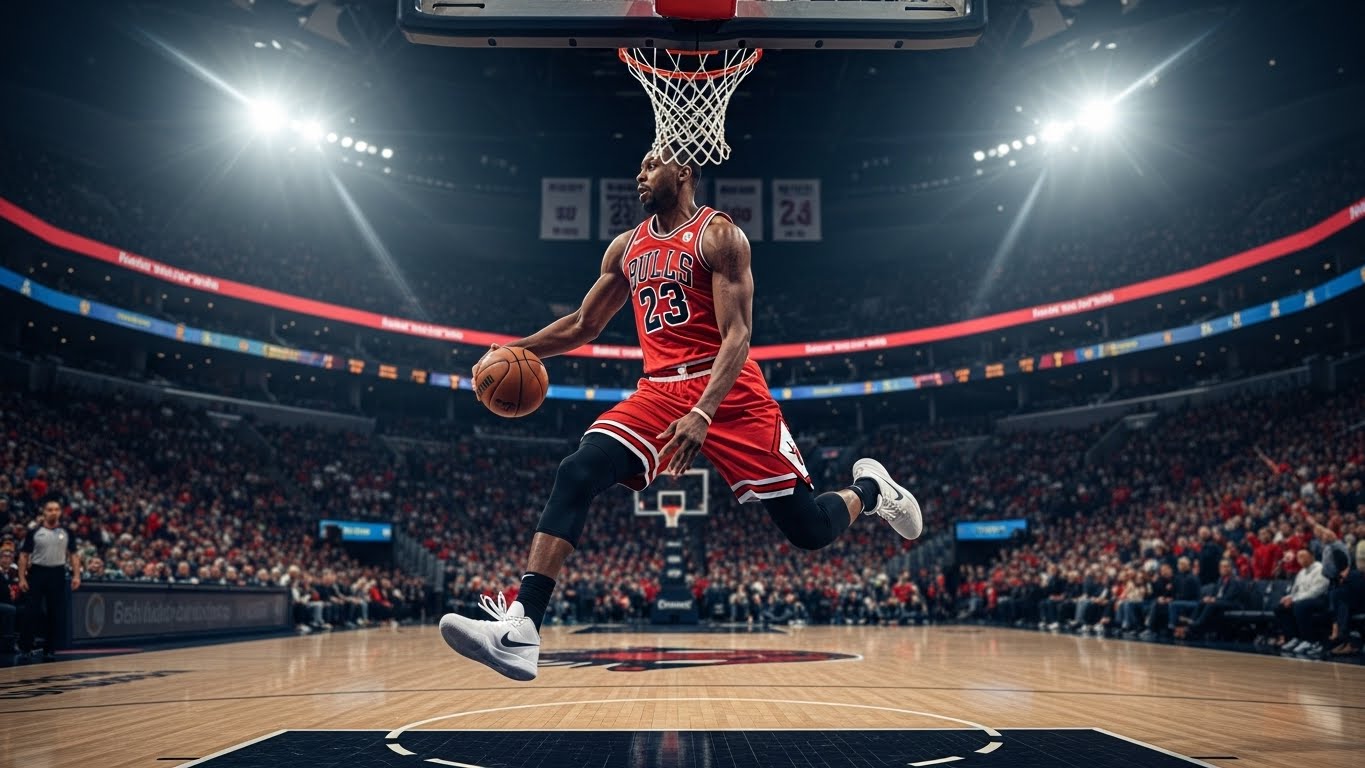
Modern sports culture is unlike anything the world has seen before. Athletes are no longer just competitors; they have become global icons, role models, and cultural influencers. Whether it is a soccer legend inspiring kids in small towns or a basketball star defining fashion trends, athletes extend their influence far beyond the court or field. This shift has been fueled by social media, advanced sports science, and worldwide broadcasting, turning individual players into powerful brands. What this means is that sports are no longer limited to the arena; they remain with us everywhere we go, shaping our conversations, our dreams, and sometimes even our identity.
The Mental Strength Behind Peak Performance
While physical skills remain essential, mental strength has become a defining factor in modern sports. Athletes today train not only their bodies but also their minds. The pressure to perform in front of millions, maintain consistency, and stay resilient despite setbacks can be overwhelming. Mental coaching, visualization techniques, meditation, and emotional management have become standard practices for elite competitors. These techniques highlight an important message: success requires more than talent. Persistence, confidence, and mental clarity are equally valuable. This mindset has inspired fans to adopt similar practices in their personal lives, proving that sports often teach life lessons without needing a classroom.
Technology’s Impact on Training and Performance
Technology has transformed sports in extraordinary ways. Advanced analytics predict player performance and minimize injury risk. Wearable sensors track everything from heart rate to stride length, offering insights that refine training programs. Video analysis tools allow players to review their movements in detail, helping them correct errors and enhance technique. Even equipment has evolved, with lighter materials, aerodynamic designs, and improved safety features. All these innovations contribute to more thrilling performance levels, faster games, and record-breaking achievements. Technology reminds us that sports are not stuck in tradition; they evolve with humanity’s creativity and ambition.
The Power of Teamwork and Collective Spirit
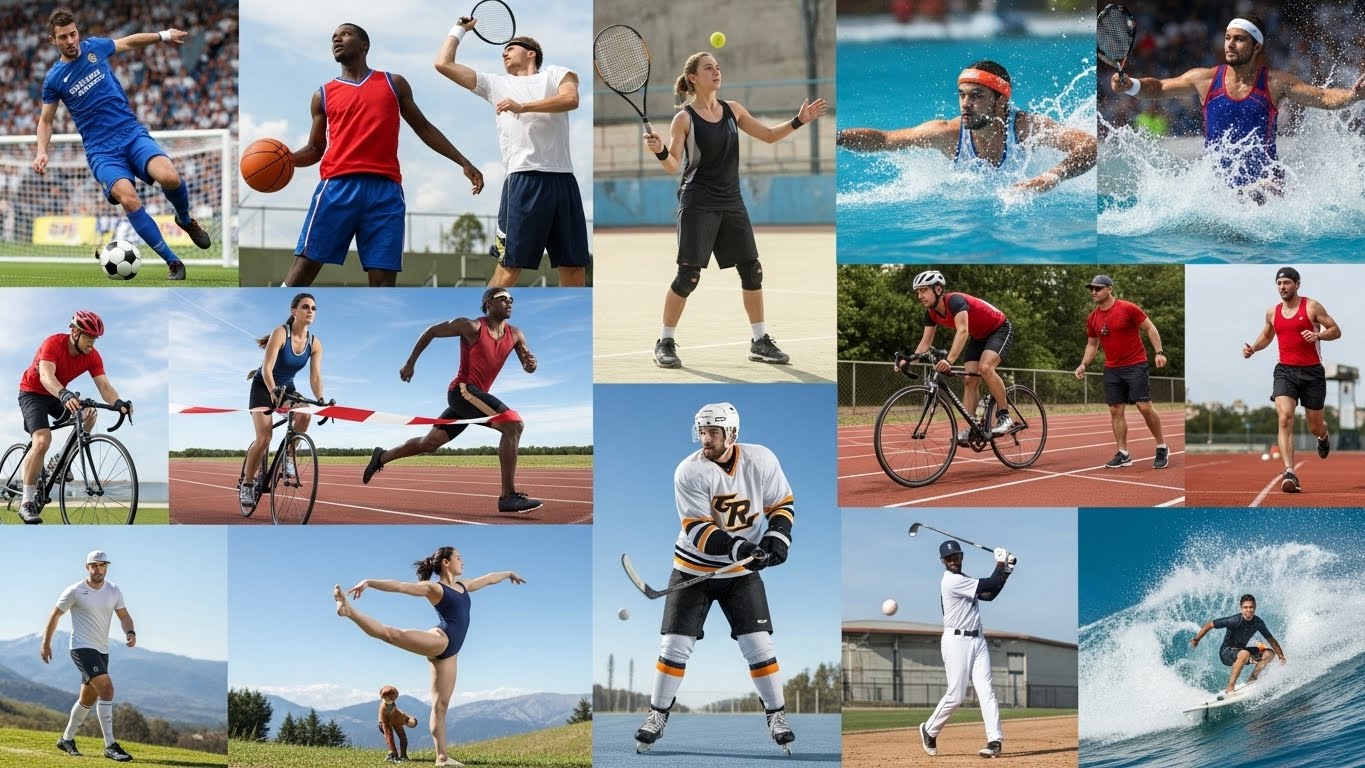
One of the most inspiring aspects of sports is the emphasis on teamwork. Whether it is a relay race, a soccer match, or a synchronized swimming routine, success often depends on unity rather than individual effort. Teamwork teaches communication, trust, and the understanding that every role matters. This principle extends beyond the field. In workplaces, families, and communities, the values learned from team sports promote cooperation and mutual respect. When players celebrate a shared victory or support each other after a loss, they reflect a powerful truth: people are stronger together than alone.
Sports as a Bridge Between Cultures
Sports have the rare ability to bring people together regardless of language, nationality, or background. Major sporting events unite millions in shared excitement, breaking down barriers and encouraging connection. Fans from different countries gather with painted faces, colorful outfits, and matching jerseys, turning arenas into vibrant global festivals. These moments remind us that competition does not have to create division. Instead, it can foster understanding and friendship. Sports serve as a universal language, one that speaks in emotion rather than words and unites people through collective passion.
The Role of Sports in Youth Development
Children who participate in sports gain far more than physical fitness. They learn discipline, healthy habits, confidence, and the value of effort. Team sports help young people develop social skills and build friendships, while individual sports encourage independence and self-motivation. Youth sports also teach resilience. Learning how to handle a tough loss or overcome a challenge forms strong character traits that last a lifetime. For many young athletes, sports become a source of identity and joy, offering a positive outlet in a world filled with distractions and pressure.
Women in Sports: A Rising Force of Inspiration
The world has witnessed a significant rise in women’s sports, and the momentum continues to grow. Female athletes are breaking records, challenging stereotypes, and inspiring future generations. Their achievements demonstrate that skill, determination, and excellence know no gender. The visibility of women in sports has also encouraged conversations about equality, representation, and opportunity. As more girls see powerful role models on the global stage, they gain confidence to pursue athletic dreams that were once considered unreachable. This transformation enriches the sports world and moves society toward greater fairness and inclusivity.
The Economic and Social Influence of Sporting Events
Major sports events bring tremendous economic energy to host cities. Stadiums fill with spectators, hotels welcome visitors, and local businesses experience increased activity. Beyond economics, sports events generate excitement, pride, and a sense of belonging. Neighborhoods come alive with decorated shops, community gatherings, and conversations filled with anticipation. Even those who are not passionate about sports feel the atmosphere shift. These events remind us that sports have the power to transform cities, create shared experiences, and leave lasting memories for communities around the world.
The Importance of Fair Play and Sportsmanship
Winning is celebrated, but the true heart of sports lies in integrity. Fair play, respect for opponents, and honest effort are the qualities that elevate sportsmanship to something meaningful. When an athlete stops to help an injured opponent or acknowledges a referee’s decision without argument, they show that character matters more than trophies. These moments resonate deeply because they capture the essence of humanity. They teach us to value dignity over dominance and respect over rivalry. Sports done right become a model for how we can treat one another in everyday life.
The Emotional Journey of Fans
Fans are the lifeblood of sports. Their cheers echo across stadiums, their anticipation fills living rooms, and their loyalty spans seasons of triumph and heartbreak. Being a fan is an emotional journey that connects people through shared celebration and shared disappointment. The bond between fans and teams creates traditions that last generations, such as chants, rituals, and family gatherings around game days. Fans remind us that sports are not just competitions; they are stories that unfold through dedication, hope, and the thrill of the unexpected.
Sports as a Path to Personal Transformation
For many individuals, sports become a powerful tool for personal transformation. Training brings discipline into daily life, healthy habits replace negative ones, and physical improvement boosts confidence. People who engage in sports often experience increased motivation, reduced stress, and a clearer sense of purpose. Whether someone is running their first marathon, joining a community league, or simply playing a sport for fun, the personal benefits are enormous. Sports provide the structure and inspiration needed to pursue a better version of oneself.
Conclusion: The Timeless Appeal of Sports
Sports continue to thrive because they reflect the human experience. They challenge us, inspire us, and bring us together. Whether you are a passionate competitor, a casual player, or a devoted fan, sports give you something valuable: joy, excitement, lessons, and connection. In a world full of constant change, the pulse of play remains steady. Sports remind us that every moment can become a victory, every challenge can spark growth, and every game can bring people closer. As long as humans seek passion, unity, and purpose, sports will remain a timeless part of our lives.