Introduction: More Than Just a Game
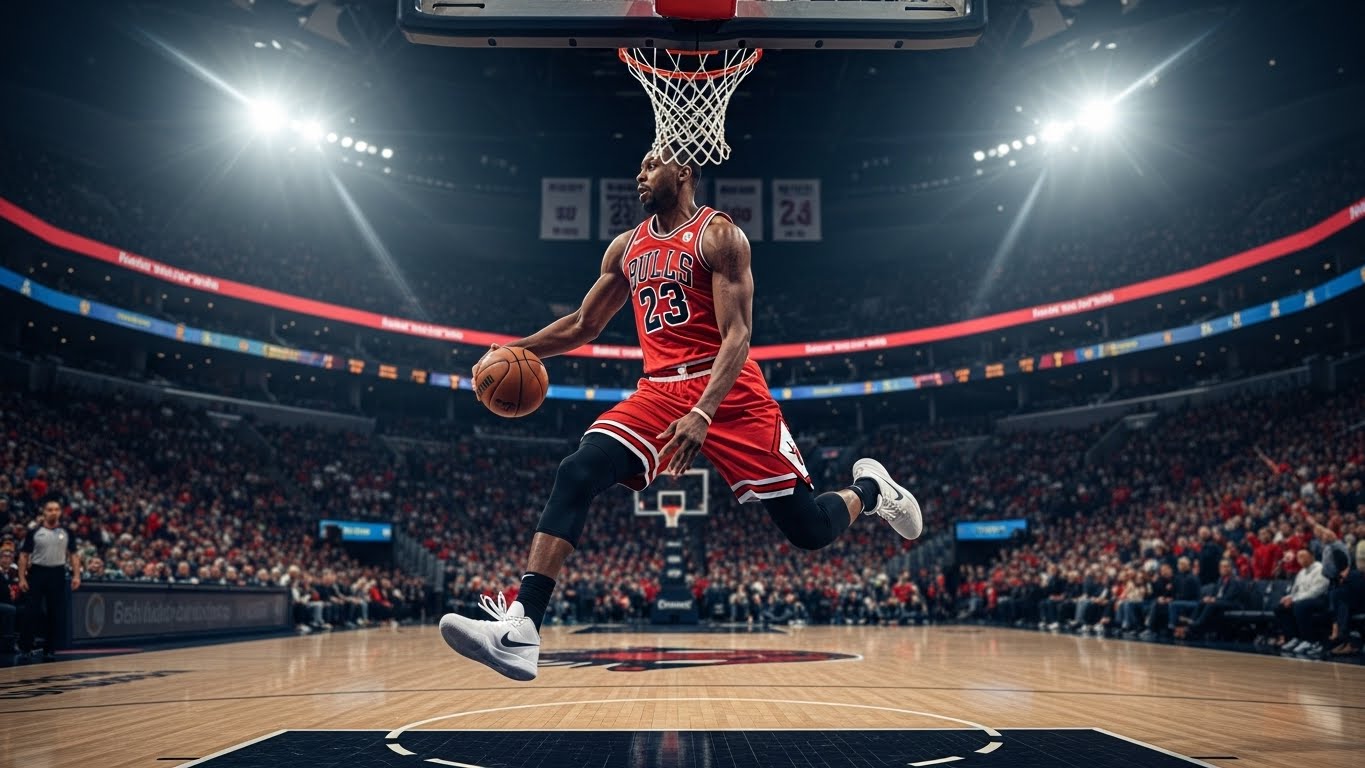
Sports are woven into the fabric of human life. They are not merely games played for leisure or competition; they are a reflection of human spirit, ambition, and resilience. From the exhilaration of a last-minute goal to the quiet satisfaction of completing a personal best, sports have a unique ability to inspire, unite, and transform.
Across cultures and generations, sports act as a universal language. They connect people regardless of age, background, or nationality. Beyond physical activity, they teach life lessons, promote mental well-being, and build communities. The impact of sports is immense, making it one of the most influential elements of human society.
A Journey Through History
The history of sports dates back to ancient civilizations. Early humans engaged in physical activities that developed survival skills such as running, hunting, and wrestling. Over time, these activities evolved into organized competitions.
Ancient Greece formalized athletics with the Olympic Games, emphasizing discipline, honor, and physical excellence. Similarly, other civilizations such as the Egyptians, Romans, and Chinese integrated sports into culture, education, and even military training.
During the medieval era, sports often reflected social structures. Archery, jousting, and martial games were popular among nobility, while commoners engaged in local games. With industrialization, sports became more structured, introducing codified rules, leagues, and professional athletes. Today, sports are a global phenomenon, celebrated and followed across continents.
The Emotional Impact of Sports
One of the most remarkable aspects of sports is their ability to evoke deep emotions. Fans and players alike experience joy, excitement, anticipation, and heartbreak. A thrilling comeback, a record-breaking performance, or a decisive goal can create memories that last a lifetime.
The emotional connection goes beyond entertainment. Supporting a team or participating in a sport fosters a sense of identity and belonging. Fans share collective experiences, celebrating victories and mourning losses together. For players, the highs and lows of competition teach resilience, patience, and emotional intelligence, shaping character in profound ways.
Sports as a Tool for Personal Growth
Participating in sports provides invaluable lessons that extend beyond the playing field.
Discipline and Commitment: Regular practice, adherence to schedules, and consistent effort instill discipline. Athletes learn that success comes through persistence and dedication.
Teamwork and Cooperation: Team sports teach players to communicate, trust, and work towards shared goals. These skills are transferable to personal and professional life.
Resilience and Mental Strength: Sports involve setbacks, losses, and injuries. Overcoming these challenges develops mental toughness and problem-solving abilities.
Confidence and Self-Belief: Achieving milestones, whether small or significant, boosts self-esteem and encourages individuals to set higher goals.
The Role of Sports in Building Communities
Sports are powerful tools for uniting people. Local leagues, school teams, and neighborhood tournaments bring individuals together, fostering social interaction and community pride.
Communities rally around teams, creating a shared sense of identity. Sporting events provide opportunities for social gatherings, celebrations, and collective experiences. In addition, sports promote inclusivity, encourage participation across all ages, and serve as platforms for teaching values such as respect, fairness, and teamwork.
Global Influence of Sports
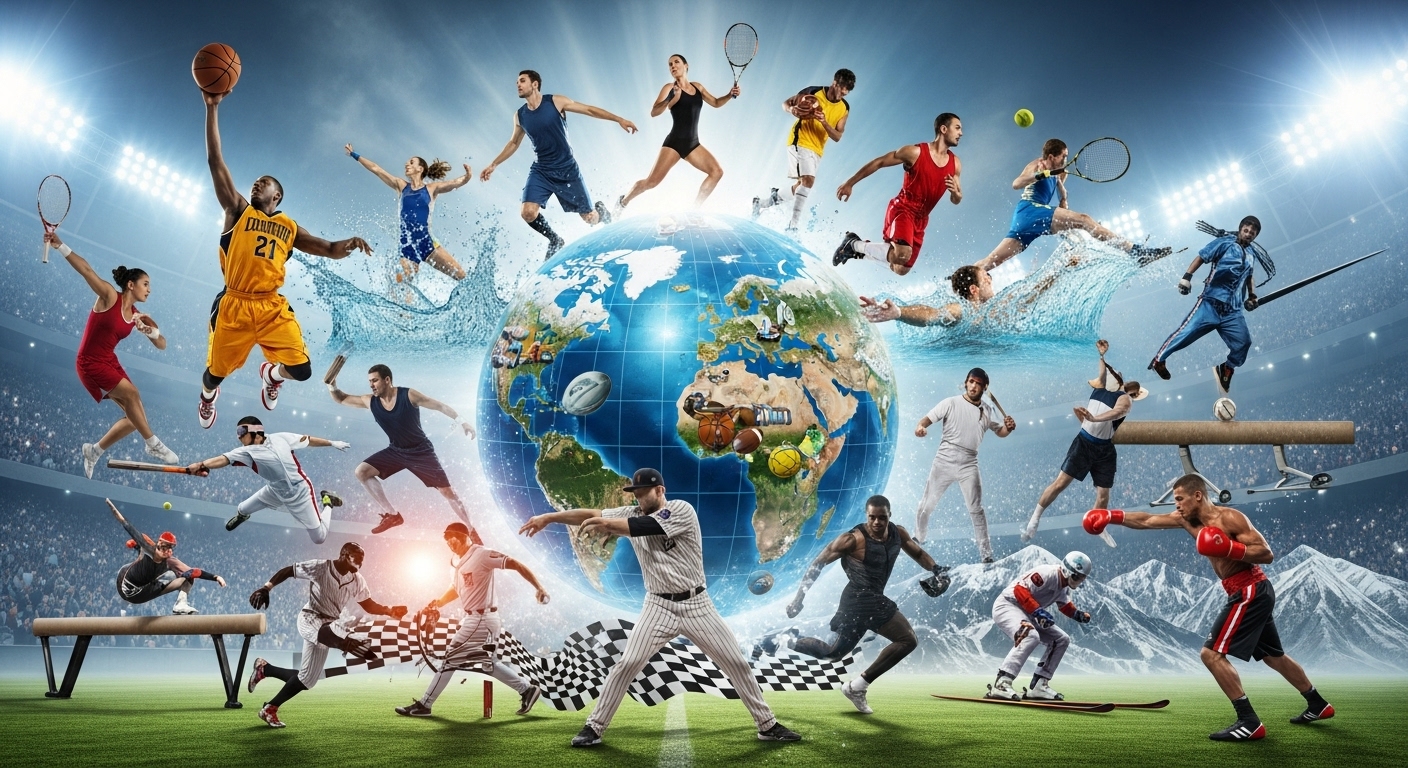
The reach of sports extends far beyond local communities. International tournaments such as the FIFA World Cup, the Olympics, and the Commonwealth Games bring nations together. They showcase talent, culture, and unity on a global stage, inspiring millions of people worldwide.
Economically, sports contribute significantly to society. They generate revenue through ticket sales, merchandise, broadcasting rights, sponsorships, and tourism. Stadiums, training facilities, and events stimulate local economies and create employment opportunities. Sports are not only entertainment but also a driving force for social and economic development.
The Role of Technology in Modern Sports
Technology has revolutionized sports in multiple ways.
Advanced Training Tools: Wearables, performance tracking, and video analytics help athletes optimize training and reduce injury risks.
Fair Play and Accuracy: Tools such as instant replay, goal-line technology, and sensor-based scoring ensure fair competition and transparency.
Fan Engagement: Virtual reality, live streaming, and interactive platforms bring fans closer to the action, creating immersive experiences.
Data Analysis: Coaches and players use data analytics to study opponents, track performance, and strategize effectively, making sports smarter and more competitive.
Sports and Health Benefits
Sports are essential for both physical and mental health. Regular participation improves cardiovascular fitness, strengthens muscles, enhances flexibility, and boosts endurance. They also reduce the risk of chronic illnesses such as obesity, diabetes, and heart disease.
Beyond physical health, sports enhance mental well-being. They reduce stress, improve mood, sharpen focus, and promote better sleep. Sports provide an outlet for releasing energy and emotions, contributing to a balanced and healthy lifestyle.
Youth and Sports: Building the Next Generation
Introducing sports to young people has lifelong benefits. Participation develops physical coordination, social skills, discipline, and resilience. Team sports teach children how to cooperate, respect rules, and handle victories and losses gracefully.
Sports also create opportunities for education and career advancement. Talented young athletes can pursue scholarships or professional paths, while school and community programs encourage holistic development. Engaging youth in sports cultivates confidence, leadership skills, and a healthy lifestyle that extends into adulthood.
Women in Sports: Breaking Barriers
The growth of women’s sports has redefined athletic culture worldwide. Female athletes are gaining visibility and opportunities in fields traditionally dominated by men. Their achievements challenge stereotypes and inspire future generations of girls to pursue sports with confidence.
Despite challenges, women athletes continue to break records, achieve excellence, and contribute to the global sports narrative. Their participation enriches the sports ecosystem, promoting diversity, equality, and empowerment.
The Future of Sports
The future of sports is promising and constantly evolving.
Digital Sports and Esports: Competitive gaming is gaining prominence, creating professional opportunities and attracting global audiences.
Sustainability in Sports: Eco-friendly stadiums, responsible event planning, and reduced environmental impact are shaping the future of sporting events.
Technological Advancements: Innovations will continue to improve athlete safety, fan engagement, and performance analysis.
Global Integration: Sports will remain a bridge connecting cultures, promoting unity, and inspiring young people worldwide.
Conclusion: The Lasting Impact of Sports
Sports are far more than physical activities or competitions. They are a reflection of human determination, creativity, and resilience. They teach life skills, foster social connections, and contribute to physical and mental well-being.
From local playgrounds to international arenas, sports inspire, unite, and challenge individuals and communities. They remind us of the importance of effort, teamwork, and passion. In an ever-changing world, the influence of sports remains timeless, shaping lives and leaving a lasting legacy for generations to come.