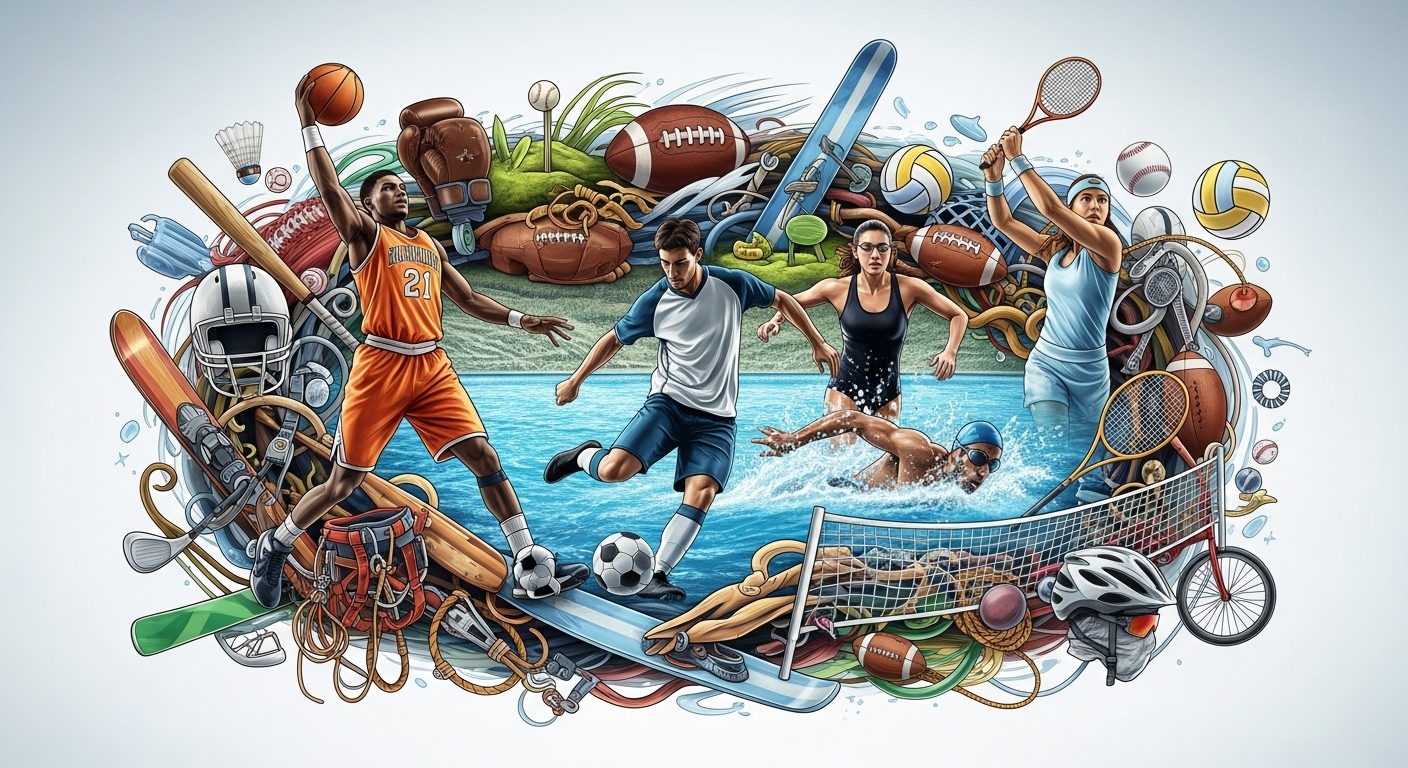
Sports have always been an intrinsic part of human culture. From the ancient rituals of early civilizations to the modern-day global phenomena we see today, the evolution of sports reflects not only our desire for physical competition but also our need for entertainment, unity, and expression. Today, sports are no longer merely games—they are global industries, community touchstones, and platforms for personal achievement and societal transformation. But how did we get here? In this blog post, we’ll explore the evolution of sports, examining how they have changed from their humble beginnings to the monumental spectacles we know today.
The Roots of Sport: Rituals and Early Competitions
The earliest forms of sports can be traced back to ancient civilizations, where physical competitions were often part of religious rituals or military training. In ancient Egypt, for instance, there were records of physical contests like wrestling and archery. Similarly, the ancient Greeks are famous for creating the Olympic Games, which began in 776 BCE in Olympia. These Games were held in honor of the Greek god Zeus and were the first recorded instance of competitive sports on a large scale.
The Roman Empire, too, was known for its gladiatorial contests and chariot races, events that were often staged in massive arenas for public entertainment. While these events were often brutal, they also highlighted the human fascination with spectacle, competition, and athletic prowess. These early forms of sports were driven by both cultural and practical considerations—training soldiers, paying homage to deities, and showcasing human skill and endurance.
The Rise of Modern Sports: The 19th Century
By the 19th century, sports began to take on a more structured and institutionalized form. During the Industrial Revolution, the expansion of the middle class and improved transportation systems helped facilitate the creation of organized sports leagues and competitions. In Britain, for example, many of the sports we know today, such as soccer, rugby, and cricket, were codified into formal rules and regulations. The invention of modern sport during this time was largely influenced by the need to create standardized competitions that could be enjoyed by a growing urban population.
Soccer, or football as it is known outside of North America, is one of the most notable examples. In 1863, the English Football Association was formed, and the first official set of football rules was established. From there, the game spread globally, becoming the world’s most popular sport. Rugby and cricket followed similar trajectories, with formal rules and leagues established in the UK before spreading to other parts of the world.
At the same time, Olympic sports also began to reemerge. In 1896, the first modern Olympic Games were held in Athens, Greece, thanks to the efforts of Frenchman Pierre de Coubertin, who revived the ancient Games. These modern Olympics were intended not just as a celebration of athletic excellence but also as a means of fostering peace and unity among nations.
Sports as a Business: The 20th Century Explosion
The 20th century marked a significant shift in how sports were perceived and consumed. As technology advanced, broadcasting capabilities increased, and sports became more accessible to the masses. The growth of radio, television, and, later, the internet, allowed fans to follow their favorite teams and athletes no matter where they lived. This, in turn, created new revenue streams for sports organizations and transformed sports into a billion-dollar industry.
One of the most significant moments in the commercialization of sports occurred in the 1920s, when the first radio broadcasts of sports events were aired. By the mid-20th century, television had become the dominant medium for sports coverage. The 1960s saw the first broadcast of the Olympic Games on TV, making the event accessible to millions of viewers worldwide. The combination of TV coverage and sponsorship deals catapulted sports into the global entertainment arena, turning athletes into celebrities and sports teams into massive commercial enterprises.
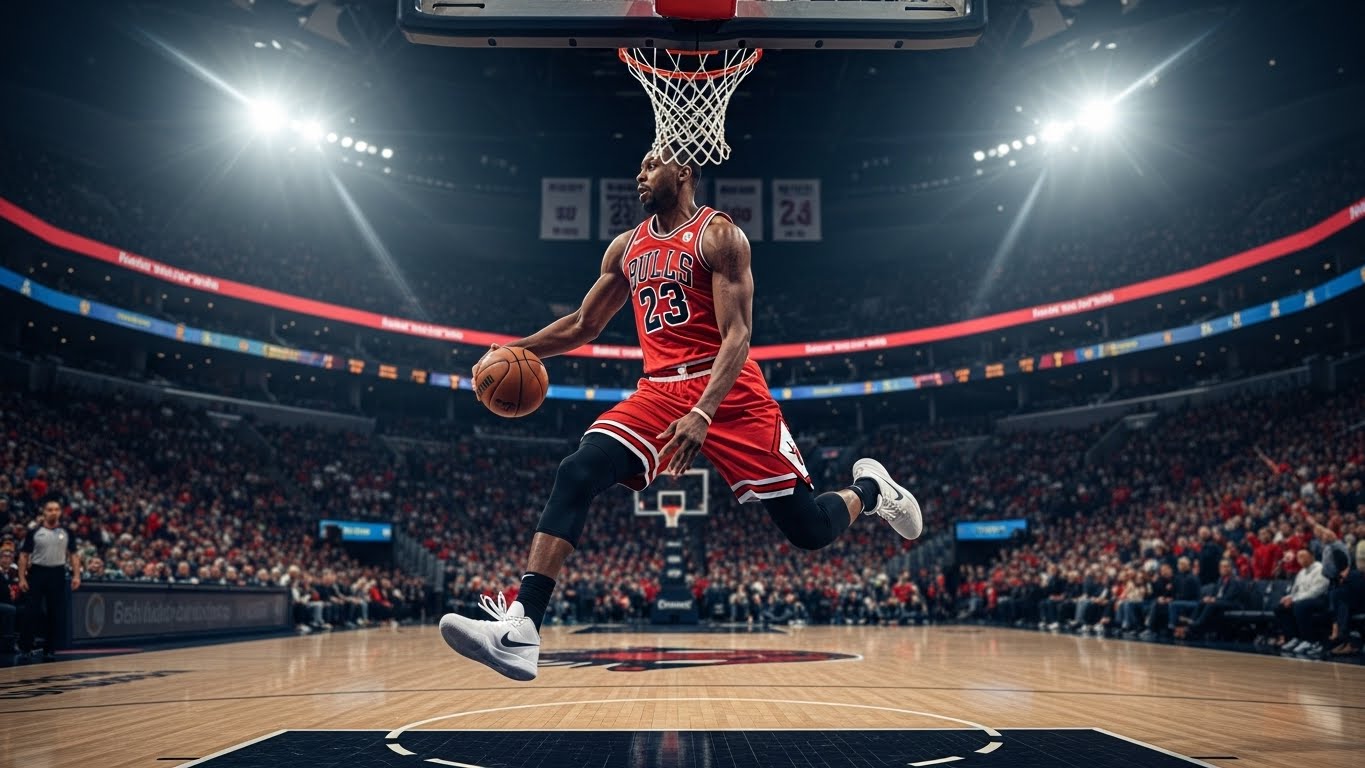
The financial explosion of professional leagues like the National Football League (NFL), Major League Baseball (MLB), and the National Basketball Association (NBA) is a prime example of this trend. These leagues became not just centers of athletic competition but also major entertainment hubs, drawing in fans, advertisers, and massive television deals. By the late 20th century, sports stars like Michael Jordan, Serena Williams, and Tiger Woods had become household names, transcending their sports to become global icons.
Globalization and the New Age of Sports
The globalization of sports is one of the most significant developments in the 21st century. Thanks to the internet, satellite TV, and social media, sports have transcended borders. Events like the FIFA World Cup, the Olympics, and the Super Bowl are watched by millions (if not billions) of fans across the globe. Social media platforms like Instagram, Twitter, and TikTok allow athletes to interact directly with their fans, building massive followings and creating new ways to market themselves and their sports.
In addition to increased accessibility, globalization has led to greater diversity in sports. International athletes have gained prominence in leagues that were once dominated by local players. For instance, the NBA, traditionally seen as an American league, now includes players from around the world, including stars from countries like Spain, Greece, and Nigeria. Similarly, the rise of global competitions like the Rugby World Cup and the Cricket World Cup has fostered a more inclusive sporting world.
The globalization of sports has also led to a greater exchange of talent and ideas, further elevating the standard of play. Coaches, players, and analysts from different countries share strategies and training techniques, raising the overall level of competition. At the same time, the increased focus on sports analytics and data-driven decision-making has transformed the way teams train and compete.
Sports and Technology: Changing the Game
The role of technology in sports cannot be understated. Over the last few decades, advancements in equipment, training techniques, and analytics have revolutionized the way athletes perform. From high-tech running shoes to smart gear that tracks performance, technology has become a vital component of modern sports.
One of the most significant breakthroughs has been in the realm of sports science and injury prevention. Wearable technology, such as fitness trackers and biomechanical sensors, allows athletes to monitor their physical condition in real-time, providing insights that help them improve performance and avoid injury. Coaches and medical teams now have access to an unprecedented amount of data, which they can use to fine-tune training programs and strategies.
In addition to these advances in athlete performance, technology has also changed the way sports are consumed. Virtual reality (VR) and augmented reality (AR) are emerging as ways to enhance fan experience, offering virtual stadium tours, interactive player stats, and even VR-based games that allow fans to feel like they’re on the field themselves. Meanwhile, artificial intelligence (AI) and machine learning are being used to enhance decision-making in coaching and team management, analyzing vast amounts of data to uncover insights that human analysts might miss.
The impact of technology is perhaps most evident in the rise of eSports. Competitive video gaming has exploded in popularity in recent years, with professional leagues, sponsorships, and international tournaments that rival traditional sports in terms of viewership and prize money. eSports has not only created new opportunities for gamers but has also transformed the broader concept of what constitutes “sport” in the modern world.
The Social Impact of Sports: Beyond the Game
Sports have always had the power to influence society, and this impact has only grown as sports have become a global phenomenon. Beyond entertainment, sports have the ability to bring attention to important social issues. Athletes like Muhammad Ali, Billie Jean King, and Colin Kaepernick have used their platforms to challenge societal norms and advocate for change, using sports as a stage for activism.
The power of sports to unite people cannot be overlooked either. The World Cup, the Olympics, and even local sporting events have the ability to bring people together across cultural and political divides, creating a shared sense of pride and identity. In a world that is increasingly polarized, sports can serve as a reminder of the power of unity, competition, and mutual respect.
Moreover, sports have also been instrumental in promoting gender equality and racial diversity. The rise of female athletes like Simone Biles and Serena Williams has inspired a new generation of women to pursue careers in sports, while the efforts of African-American athletes to break racial barriers—such as Jackie Robinson in baseball or Tommie Smith and John Carlos in track and field—have had a lasting impact on social progress.
The Future of Sports: What’s Next?
As we look to the future, it’s clear that sports will continue to evolve in exciting ways. From the continued expansion of global competitions to the rise of virtual and augmented reality, the landscape of sports will only become more dynamic and interconnected. The role of technology will also continue to grow, with innovations in AI, wearable tech, and analytics pushing the boundaries of human performance.
Moreover, as society becomes more focused on sustainability and social justice, sports organizations and athletes alike will increasingly use their platforms to advocate for environmental responsibility and equality. The future of sports may not just be about breaking records and winning trophies, but also about how sports can contribute to positive change in the world.
Conclusion
From their ancient roots to their modern-day incarnation as global spectacles, sports have come a long way. They have evolved from rituals and local competitions to become some of the most influential and widely watched events in the world. The future of sports looks bright, with new technologies, global connectivity, and social change continuing to shape the way we play, watch, and interact with sports. As we move forward, one thing is certain: the love of competition and the human drive to excel will remain at the heart of sports, no matter how they continue to evolve.