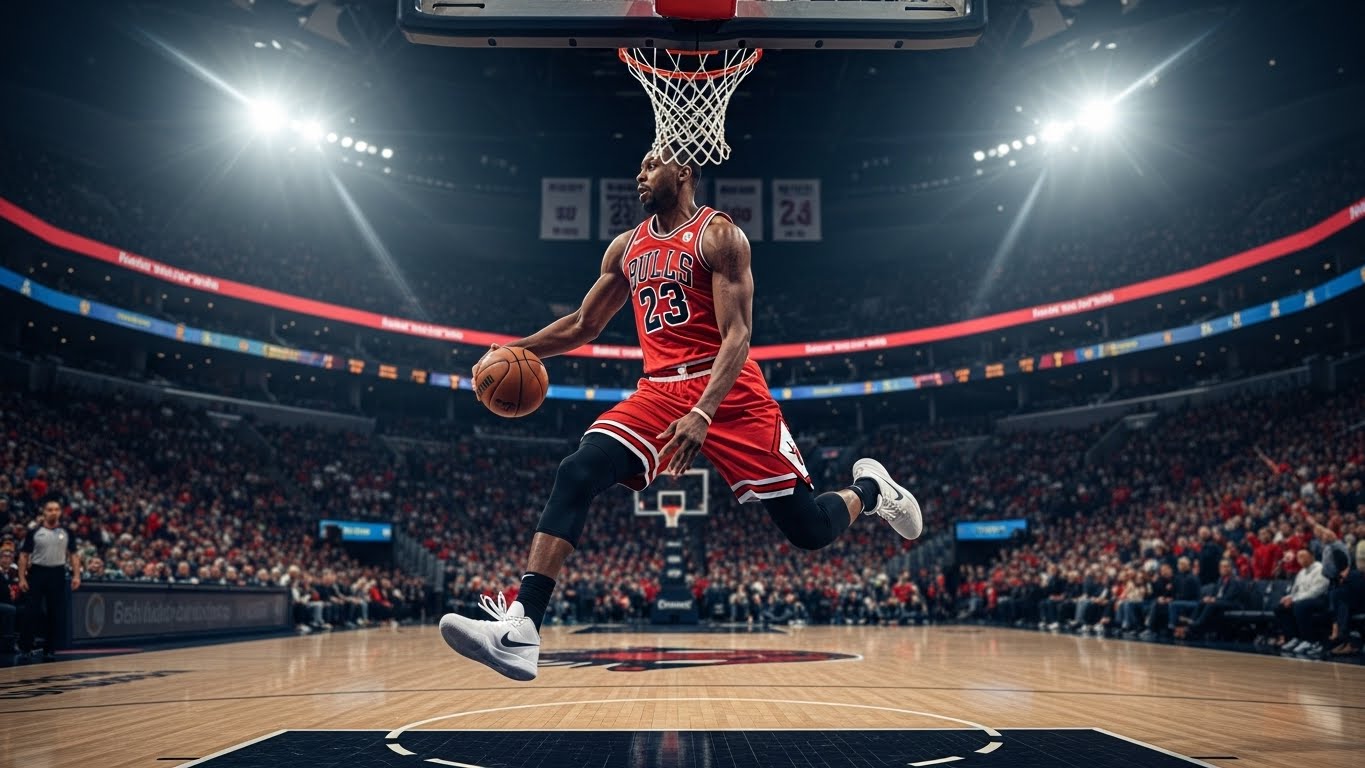
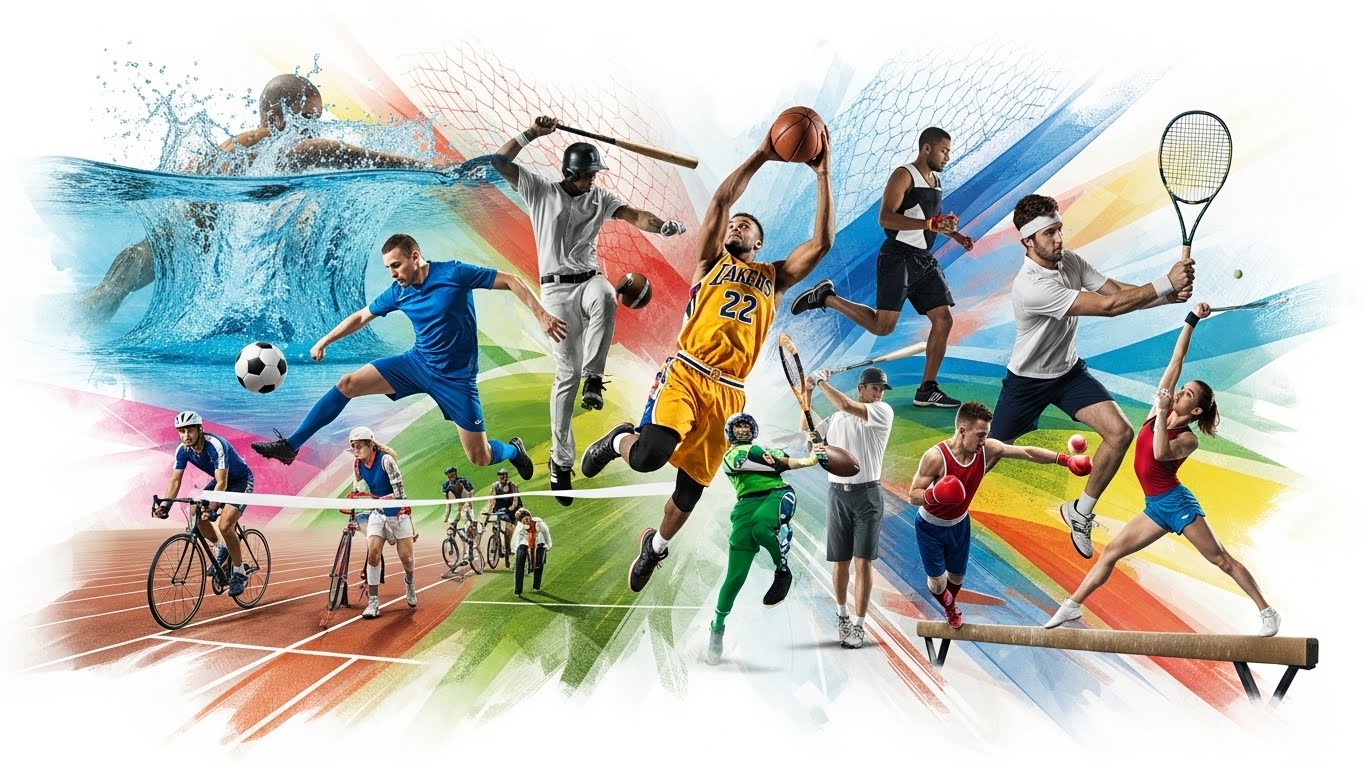
Sports have been a part of human history for centuries, evolving from simple recreational activities to global spectacles that captivate millions. Whether it’s the ancient Olympic Games, the birth of football, or the rise of e-sports, the world of sports has seen dramatic changes. This blog post takes a journey through the history of sports, exploring their evolution, their impact on society, and the direction in which they are headed.
The Origins of Sports: From Rituals to Recreation
The history of sports dates back to ancient times, where physical contests were often tied to religious rituals and celebrations. Archaeological evidence suggests that early forms of organized sports were practiced in Egypt, China, and Greece, among other civilizations. These activities were not merely about competition but often held spiritual or cultural significance.
One of the earliest documented instances of competitive sports comes from ancient Egypt, where physical competitions were organized as part of royal festivals. Similarly, in ancient China, there were games like Cuju, a ball game that closely resembled modern-day football, and was played as early as the 3rd century BC.
However, it was the Greeks who truly formalized sports with the advent of the Olympic Games. Beginning in 776 BC, the ancient Olympic Games were held in Olympia, Greece, in honor of the god Zeus. The Games included events like foot races, chariot races, and wrestling, and they soon became a symbol of unity among the Greek city-states. These early Olympic Games were not only a demonstration of athletic prowess but also a reflection of Greek values such as discipline, honor, and the pursuit of excellence.
The Medieval Era: Sports for Nobles and Commoners
As civilizations evolved, so did sports. During the medieval period, sports began to diversify. In Europe, jousting tournaments and archery contests became popular among the nobility, reflecting the martial values of the time. At the same time, commoners engaged in simpler games like ball games, which were often played in public spaces and had fewer formal rules.
In England, a number of sports began to take shape during the Middle Ages. Football (or what was known as “folk football”) emerged as a chaotic and violent game that involved entire villages. The lack of a standard field or goalposts, and the absence of any formalized rules, meant that these early versions of football were often wild and unruly.
Meanwhile, in Asia, the practice of martial arts continued to flourish, with disciplines like Kung Fu, Judo, and Karate gaining prominence in China, Japan, and Korea. These combat sports were not just about physical strength; they were deeply intertwined with philosophy, discipline, and personal development.
The Renaissance: A Shift Toward Organized Sports
The Renaissance period marked a shift towards more organized forms of recreation. The invention of new games and the codification of rules began to transform sports into the organized events we recognize today. The notion of sport as a form of entertainment and spectacle also gained traction.
In England, cricket and tennis emerged as the quintessential sports for the elite. The creation of formalized rules for these games during the 16th century laid the foundation for the modern versions we play today. Cricket, in particular, became deeply ingrained in British culture, and by the 18th century, it had spread to other parts of the world, including India and Australia, where it remains a dominant sport.
In the 19th century, many sports underwent significant changes. The Industrial Revolution brought about an increased emphasis on organized sport as a means of promoting physical fitness, team-building, and even national pride. Football (soccer), rugby, and baseball emerged as prominent team sports, and standardized rules began to emerge for all these games.
The Rise of Professional Sports: The 20th Century
The 20th century marked the emergence of professional sports as a major industry. The development of mass media, particularly radio and television, played a significant role in making sports more accessible to a global audience. No longer confined to local events or regional competitions, sports became global phenomena with the ability to reach millions of viewers worldwide.
In the United States, baseball was the first sport to become a professionalized industry. The creation of Major League Baseball in the late 1800s marked the beginning of professional sports leagues in America. Football, basketball, and hockey soon followed suit, and the National Football League (NFL), National Basketball Association (NBA), and National Hockey League (NHL) became cornerstone institutions of American culture.
Across the Atlantic, football (soccer) grew into a global sport, with European leagues like the English Premier League, La Liga, and Serie A attracting millions of fans. The FIFA World Cup, first held in 1930, became the pinnacle of international football and a celebration of national pride and unity.
Meanwhile, in other parts of the world, new sports began to take shape. Basketball, invented in 1891 by Dr. James Naismith, became a dominant sport in the United States and spread globally. Tennis and golf also gained widespread popularity, with figures like Serena Williams, Tiger Woods, and Roger Federer becoming international icons.
The Modern Era: Sports as Global Entertainment
Today, sports are no longer just a form of recreation; they are an integral part of global entertainment and culture. Major sports leagues and competitions, such as the Olympics, the FIFA World Cup, the NBA Finals, and the Super Bowl, draw billions of viewers around the world. The rise of digital media, social media, and streaming platforms has further expanded the reach of sports, making it possible for fans to watch their favorite teams and athletes in real-time, no matter where they are.
E-sports, or competitive video gaming, has emerged as a new frontier in the world of sports. What was once considered a niche hobby has now grown into a billion-dollar industry with professional leagues, sponsorships, and millions of fans. Events like the League of Legends World Championship and The International (Dota 2) are watched by millions globally, and professional gamers are now recognized as athletes in their own right.
The fusion of sports and entertainment has also led to the rise of celebrity athletes. Figures like Michael Jordan, Cristiano Ronaldo, and LeBron James have become cultural icons who transcend their respective sports. Their influence extends far beyond the field or court, as they become ambassadors for brands, fashion, and social causes.
Sports and Society: The Impact on Culture and Community
Sports have always played a significant role in shaping culture and society. At their core, they bring people together. Whether it’s a local football match, a national competition, or a global tournament, sports have a unique ability to unite people across borders, languages, and cultures. They foster a sense of community and shared identity, helping to build national pride and personal connection.
Moreover, sports serve as a platform for social change. Throughout history, athletes have used their platforms to challenge societal norms, advocate for equality, and raise awareness for important causes. The Civil Rights Movement in the United States, for example, was supported by prominent athletes like Muhammad Ali and Jackie Robinson, who used their fame to promote racial equality.
In recent years, sports have continued to reflect societal shifts, including gender equality, LGBTQ+ rights, and environmental sustainability. The visibility of female athletes has increased dramatically, with athletes like Serena Williams, Simone Biles, and Megan Rapinoe breaking barriers and inspiring future generations. Additionally, sports organizations and athletes alike have become more vocal in addressing issues like climate change, mental health, and social justice.
The Future of Sports: Technology, Inclusivity, and Sustainability
Looking forward, the future of sports seems to be shaped by three major trends: technological innovation, inclusivity, and sustainability.
- Technology: Advances in technology are revolutionizing the way we experience sports. Virtual and augmented reality may provide fans with immersive experiences, allowing them to virtually attend games or even interact with athletes in new ways. Wearable tech and data analytics are already enhancing performance, and innovations like artificial intelligence and robotics could change the landscape of training and competition in the years to come.
- Inclusivity: The push for diversity and inclusivity in sports is gaining momentum. As more opportunities are created for underrepresented groups, sports will continue to evolve into a more inclusive space. This includes not only gender and racial inclusivity but also the integration of people with disabilities into mainstream sports.
- Sustainability: With growing concerns about climate change and the environmental impact of large-scale sporting events, the sports industry is becoming increasingly focused on sustainability. From carbon-neutral stadiums to reducing waste at events, there is a collective push to ensure that the future of sports is environmentally responsible.
Conclusion: A Never-Ending Evolution
Sports are more than just games; they are a reflection of society, culture, and the human spirit. From their humble beginnings in ancient rituals to their status as global entertainment phenomena, sports have evolved in ways that reflect the ever-changing world around us. As technology advances, society becomes more inclusive, and environmental concerns take center stage, the future of sports looks both exciting and challenging. One thing is certain: sports will continue to inspire, entertain, and unite people for generations to come.