
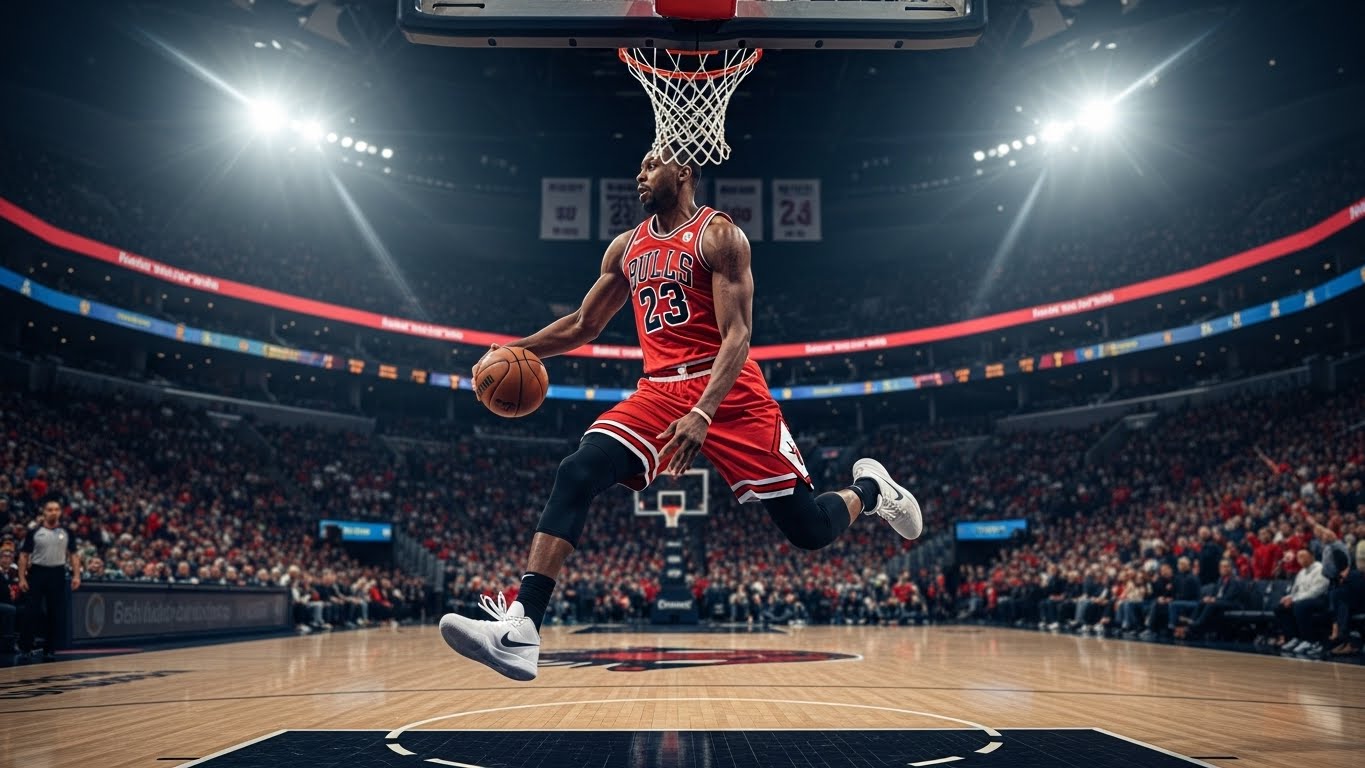
Introduction: More Than Just Games
Sports have always been more than competitions played on fields, courts, or tracks. They are living stories of effort, failure, resilience, and triumph. From local playgrounds to global stadiums, sports connect people across cultures, languages, and generations. While scores and trophies often dominate attention, the deeper value of sports lies in how they influence character, community, health, and identity. This blog explores the broader world of sports, highlighting their impact beyond winning and losing.
The Historical Roots of Sports
Sports did not suddenly appear in modern times; they evolved alongside human civilization. Ancient societies used sports for training warriors, celebrating festivals, and honoring gods. Early athletic contests tested strength, endurance, and skill, reflecting the survival needs of the time. Over centuries, these activities transformed into structured games with rules, organizations, and global audiences.
As societies grew more complex, sports became symbols of unity and pride. They reflected cultural values and social structures, turning athletes into role models and competitions into shared experiences. The history of sports is, in many ways, a history of humanity striving for excellence.
Physical Benefits and Lifelong Health
One of the most obvious advantages of sports is physical fitness. Regular participation improves cardiovascular health, builds muscle strength, enhances flexibility, and boosts overall stamina. Unlike repetitive exercise routines, sports add excitement and motivation, making physical activity enjoyable rather than a chore.
Beyond immediate fitness, sports promote long-term health. Active individuals are less likely to develop lifestyle-related illnesses and often enjoy better mobility as they age. Sports also encourage healthy habits such as discipline, routine, and proper nutrition, laying the foundation for a balanced life.
Mental Strength and Emotional Well-Being
Sports are as much a mental challenge as a physical one. Athletes constantly face pressure, setbacks, and uncertainty. Learning to manage stress, stay focused, and recover from failure builds mental resilience. These psychological skills often transfer into daily life, helping individuals handle challenges beyond sports.
Participation in sports also supports emotional well-being. Physical activity releases endorphins, reducing stress and anxiety. Team sports, in particular, combat loneliness by fostering a sense of belonging. Even individual sports provide personal fulfillment and self-confidence, proving that sports can be powerful tools for mental health.
Teamwork, Leadership, and Life Skills
Sports teach lessons that classrooms often cannot. Teamwork is one of the most valuable skills developed through sports. Players learn how to communicate, trust others, and work toward a common goal. Success depends not on individual talent alone but on collective effort.
Leadership naturally emerges in sports environments. Captains and experienced players guide teams through difficult moments, learning responsibility and decision-making. Even those not in leadership roles develop accountability and respect for authority. These qualities are essential in professional and personal life, making sports a practical training ground for the future.
Sports as a Cultural and Social Force
Sports hold immense cultural significance. They bring communities together, creating shared identities and traditions. Local teams become symbols of pride, while international competitions showcase national spirit. Moments of sporting success often unite people across social and economic differences.
Sports also reflect social change. They have played roles in breaking racial barriers, promoting gender equality, and encouraging inclusion. Athletes have used their platforms to challenge injustice and inspire dialogue. In this way, sports become mirrors of society, highlighting both progress and ongoing struggles.
The Role of Technology in Modern Sports
Technology has transformed the sports landscape. Advanced training equipment, data analysis, and performance tracking help athletes reach new levels of excellence. Coaches now rely on detailed statistics to develop strategies and reduce injury risks.
For fans, technology enhances engagement. High-quality broadcasts, instant replays, and immersive viewing experiences bring audiences closer to the action. Social media allows direct interaction with athletes, changing how fans experience sports. While technology introduces new challenges, it undeniably expands the reach and influence of sports worldwide.
Youth Development and Education Through Sports
For young people, sports offer valuable educational opportunities. Participation encourages discipline, time management, and goal setting. Student-athletes often learn to balance academics with training, developing skills that prepare them for adult responsibilities.
Youth sports also provide safe environments for growth and expression. They teach children how to handle competition, accept defeat gracefully, and celebrate success humbly. Positive coaching and supportive communities can shape confidence and self-esteem, proving that youth sports play a crucial role in personal development.
Professional Sports and the Business of Competition
Professional sports represent the most visible side of athletic competition. They generate massive economic activity, creating careers not only for athletes but also for coaches, trainers, media professionals, and event organizers. Major leagues and tournaments influence tourism, employment, and global branding.
However, the business aspect also introduces pressure. Athletes face intense expectations, scrutiny, and performance demands. Balancing commercial interests with the spirit of fair play remains an ongoing challenge. Despite this, professional sports continue to inspire millions and set standards of excellence.
Challenges Facing the World of Sports
While sports offer many benefits, they are not without problems. Issues such as corruption, doping, inequality, and over-commercialization threaten the integrity of competition. Young athletes may experience burnout due to excessive pressure, while access to sports opportunities remains uneven in many regions.
Addressing these challenges requires ethical leadership, fair policies, and a renewed focus on the core values of sports. When integrity and inclusivity are prioritized, sports can remain a positive force for generations to come.
The Future of Sports in a Changing World
The future of sports is shaped by innovation, social awareness, and global connectivity. New formats, mixed-gender competitions, and adaptive sports are expanding participation. Greater emphasis on mental health and athlete welfare reflects a more holistic understanding of performance.
As society evolves, sports will continue to adapt, reflecting new values and technologies. Yet the essence of sports will remain unchanged: the pursuit of excellence, the joy of play, and the power to bring people together.
Conclusion: Why Sports Will Always Matter
Sports matter because they speak to something fundamental in human nature. They challenge our limits, test our character, and connect us with others. Whether played professionally or casually, sports inspire effort, teach humility, and celebrate perseverance.
Beyond the scoreboard and the medals, sports leave lasting impressions on individuals and societies. They shape healthier bodies, stronger minds, and more connected communities. In a world constantly changing, sports remain a timeless reminder of what humans can achieve when passion meets purpose.

