Introduction: Sports as a Universal Language
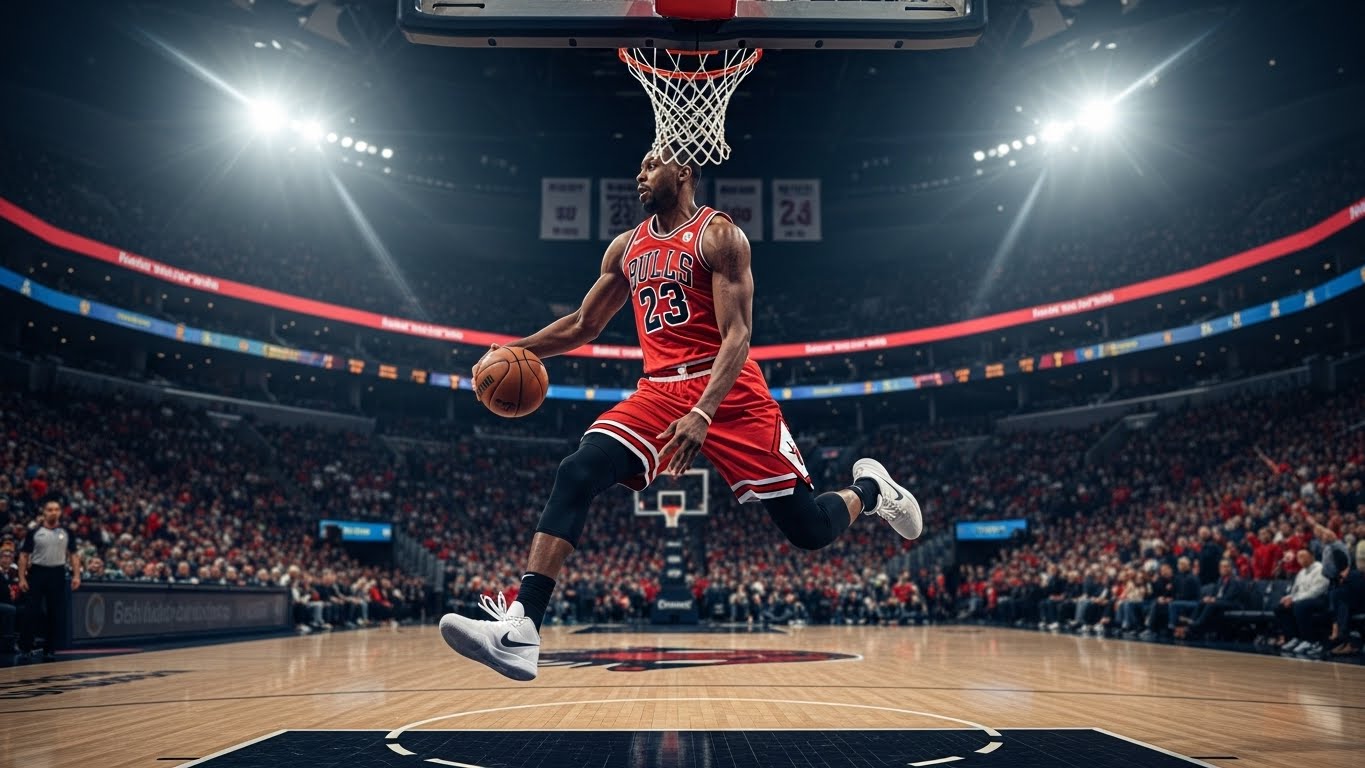
Sports have always been more than a form of entertainment. They are a universal language, transcending borders, cultures, and generations. From local playgrounds to professional arenas, sports teach lessons about discipline, resilience, teamwork, and leadership. In addition to physical fitness, sports influence mental health, social development, and cultural identity. This blog explores the multifaceted role of sports in human life, their evolution, the science behind performance, and their broader societal impact.
The Evolution of Sports Through History
Sports are as old as civilization itself. Ancient societies engaged in physical activities for survival, religious ceremonies, and social cohesion. Wrestling, running, and archery were not only competitive but also a means to showcase skill, strength, and endurance. The Olympic Games of ancient Greece symbolized the celebration of human potential and spirit.
Over time, sports evolved into organized competitions with formal rules, leagues, and international events. The modern era has seen the rise of professional athletes, advanced training methods, and global tournaments. Technology and media have transformed sports into a worldwide spectacle, connecting fans and players across continents in real-time.
Physical Benefits of Sports
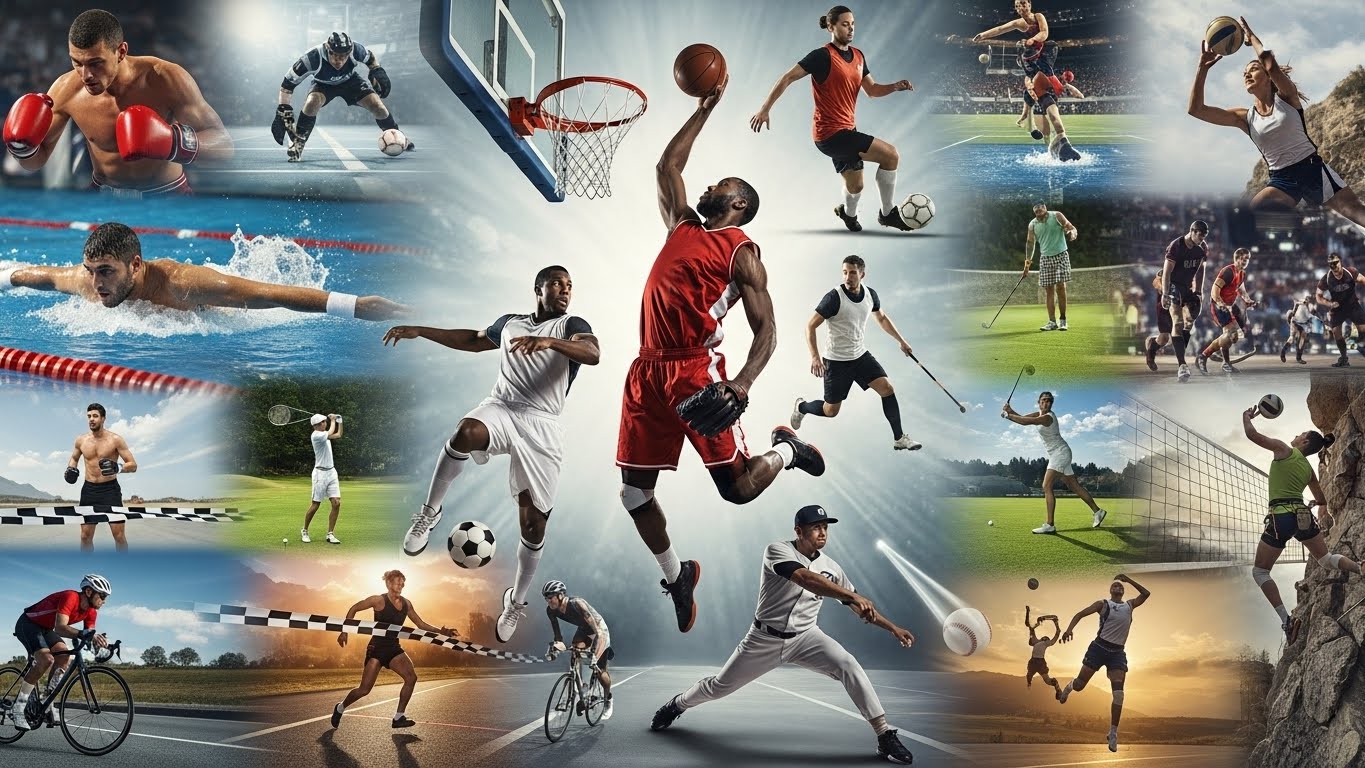
The most obvious impact of sports is on physical health. Regular participation enhances cardiovascular endurance, muscle strength, flexibility, and coordination. Sports also contribute to maintaining a healthy weight and improving bone density. Activities such as swimming, running, cycling, and team sports engage different muscle groups, providing balanced physical development.
Beyond physical health, sports prevent lifestyle-related diseases. Consistent activity reduces the risk of heart disease, diabetes, obesity, and high blood pressure. Even moderate involvement, like playing recreational sports or engaging in community leagues, yields significant long-term benefits for both youth and adults.
Mental Health and Cognitive Advantages
While physical fitness is important, the mental benefits of sports are equally significant. Participation in sports reduces stress, anxiety, and depression. Physical activity releases endorphins, chemicals that boost mood and overall sense of well-being. Team sports, in particular, offer social support, creating a sense of belonging and camaraderie.
Sports also enhance cognitive skills. Strategy-based games such as football, basketball, and chess require planning, decision-making, and situational awareness. Regular participation improves focus, memory, and problem-solving abilities. Studies have shown that young athletes often perform better academically due to the discipline, time management, and concentration skills developed through sports.
Teamwork and Leadership
One of the most valuable lessons sports teach is teamwork. Successful teams require cooperation, trust, and communication. Players learn to rely on each other’s strengths and support each other through weaknesses. These skills are transferable to other areas of life, including education, workplace, and community projects.
Sports also cultivate leadership. Captains and senior players guide teams, make strategic decisions, and inspire confidence in their teammates. Even informal sports settings nurture leadership qualities, encouraging individuals to take responsibility, motivate others, and handle pressure effectively.
The Role of Discipline and Perseverance
Sports demand discipline. Athletes must follow structured training schedules, maintain proper nutrition, and manage rest and recovery. Achieving success in sports requires dedication, practice, and the ability to overcome setbacks. Injuries, losses, and failures are common, but persistence and resilience are what define true athletes.
This discipline and perseverance extend beyond the playing field. Individuals involved in sports develop a strong work ethic, patience, and the ability to set and achieve goals. These attributes contribute to personal growth and professional success.
The Science of Sports Performance
Modern sports are deeply intertwined with science. Physiologists, nutritionists, psychologists, and biomechanists all contribute to optimizing performance. Training regimens are designed based on data analysis, body mechanics, and performance metrics. Wearable technology monitors heart rate, muscle activity, and fatigue levels, allowing athletes to maximize efficiency and prevent injuries.
Nutrition is another crucial component. Balanced diets, hydration strategies, and supplements tailored to individual needs support energy levels, recovery, and overall health. Sports psychology focuses on mental preparation, helping athletes handle pressure, build confidence, and maintain focus during competitions.
Popular Sports and Their Cultural Impact
Different sports carry unique cultural significance. Football, cricket, basketball, and soccer dominate certain regions, creating shared identity and national pride. Local sports often reflect cultural traditions and history, such as martial arts in Asia or lacrosse in North America.
Major international events like the Olympics and World Cup unite nations and generate excitement worldwide. These competitions foster sportsmanship, cultural exchange, and inspiration for younger generations. Sporting icons become role models, influencing social attitudes and encouraging participation in physical activity.
Women in Sports: Breaking Barriers
Historically, sports were male-dominated, but women’s participation has grown tremendously. Female athletes have challenged stereotypes, achieving recognition and success in various disciplines. The rise of women’s leagues, tournaments, and media coverage has created opportunities for girls and women to pursue sports professionally.
Promoting gender equality in sports is more than representation. It empowers women, encourages leadership, and inspires societal change. Organizations worldwide are investing in infrastructure, coaching, and awareness programs to ensure that sports are accessible to all, regardless of gender.
Sports and Technology: A Modern Revolution
Technology has revolutionized sports in multiple ways. Performance tracking, video analysis, and wearable devices allow athletes and coaches to gain precise insights into physical condition and strategy. Virtual reality and augmented reality provide immersive training experiences, enhancing skills without physical strain.
Spectator experience has also transformed. Fans can watch live matches globally, access real-time statistics, and engage with teams and players through social media. Technology has made sports more inclusive, data-driven, and exciting, connecting players and audiences like never before.
Youth Development Through Sports
Introducing children to sports has profound developmental benefits. It fosters physical activity, social interaction, and emotional growth. Youth programs teach values such as fairness, respect, and perseverance while keeping children engaged in healthy routines.
Schools and community organizations play a vital role in providing safe environments for young athletes. Encouraging early participation also helps identify talent and nurture potential professional athletes, while instilling lifelong habits of health and teamwork.
The Economic Impact of Sports
Sports are a significant economic driver. Professional leagues, tournaments, merchandise, and sponsorships generate billions of dollars globally. Hosting large-scale events stimulates tourism, infrastructure development, and local businesses. The sports industry creates employment opportunities for athletes, coaches, referees, medical staff, and media professionals.
Investment in sports infrastructure benefits communities by providing facilities for training, recreation, and health improvement. Grassroots initiatives also contribute to economic growth by promoting sports culture and engagement among the general population.
Challenges in the World of Sports
Despite its benefits, sports face several challenges. Performance-enhancing drugs and unethical practices threaten fairness and integrity. Injuries, burnout, and mental health issues can affect athletes at all levels. Accessibility remains a concern, as economic, social, or geographic barriers may prevent individuals from participating.
Addressing these challenges requires a holistic approach involving education, regulation, and awareness. Supporting athlete well-being, promoting ethical standards, and ensuring inclusivity are essential to the long-term sustainability of sports.
Sports as a Tool for Social Change
Sports have the power to drive social change. They bring communities together, encourage inclusivity, and provide a platform for advocacy. Programs using sports to combat poverty, promote education, and encourage health awareness have proven effective worldwide.
Athletes often use their influence to highlight social issues, inspire movements, and foster equality. Sports can unite people beyond differences, demonstrating that collaboration, respect, and fair competition transcend social, economic, and political divides.
Conclusion: More Than Just a Game
Sports are not merely games or competitions; they are a reflection of human potential. They cultivate physical health, mental strength, social skills, and ethical values. They connect individuals, communities, and nations, inspiring excellence, perseverance, and teamwork. As technology evolves and societal values shift, the impact of sports continues to expand, influencing lives in ways that go far beyond the field.
Engaging in sports, whether professionally or recreationally, fosters growth, resilience, and connection. It teaches lessons that last a lifetime, reminding us that every game played, every goal scored, and every challenge overcome contributes to a healthier, more united, and more empowered world.