Introduction: The Universal Appeal of Sports
Sports have been an integral part of human civilization for centuries, transcending cultural, social, and geographic boundaries. They are more than just physical activity; sports embody discipline, teamwork, strategy, and perseverance. From ancient Olympic games to modern international leagues, sports have served as a platform for personal growth, social cohesion, and cultural expression. This blog explores the evolution of sports, its societal impact, technological advancements, economic significance, challenges, and future trends.
The History of Sports: From Ancient Games to Modern Competitions
The history of sports dates back to ancient civilizations. In ancient Greece, the Olympic Games celebrated athletic excellence, discipline, and competition, fostering unity among city-states. Similarly, traditional games in Egypt, China, and Mesoamerica reflected cultural values and communal engagement.
Over time, sports evolved from informal competitions to organized events with standardized rules and international recognition. The establishment of leagues, tournaments, and governing bodies helped professionalize sports, creating structured pathways for athletes and fans alike. This evolution has transformed sports into a global phenomenon that continues to inspire millions.
The Role of Sports in Society
Sports play a vital role in shaping social and cultural identity. They foster community engagement, national pride, and shared experiences that bring people together. Events like the FIFA World Cup, the Olympics, and regional championships unite diverse populations through a common passion.
At a local level, sports encourage youth participation, promote social interaction, and build lifelong skills such as teamwork, discipline, and leadership. Community-based sports programs also provide opportunities for personal development and social mobility, particularly for underserved populations.
Physical and Mental Health Benefits of Sports
Participation in sports offers significant physical health benefits. Regular athletic activity improves cardiovascular health, builds muscle strength, enhances flexibility, and supports weight management. Sports also reduce the risk of chronic illnesses such as diabetes, hypertension, and obesity.
Beyond physical benefits, sports contribute to mental well-being. Engaging in athletic activities reduces stress, enhances mood, and boosts self-esteem. Team sports, in particular, promote social interaction and collaboration, providing emotional support and fostering a sense of belonging. Sports psychology has increasingly recognized the connection between physical performance and mental resilience, emphasizing holistic athlete development.
Popular Sports and Their Global Influence
Different sports have varying cultural and global influence. Football (soccer) is arguably the most popular sport worldwide, with billions of fans and professional leagues spanning continents. Its universal appeal lies in simplicity, teamwork, and passionate fan engagement.
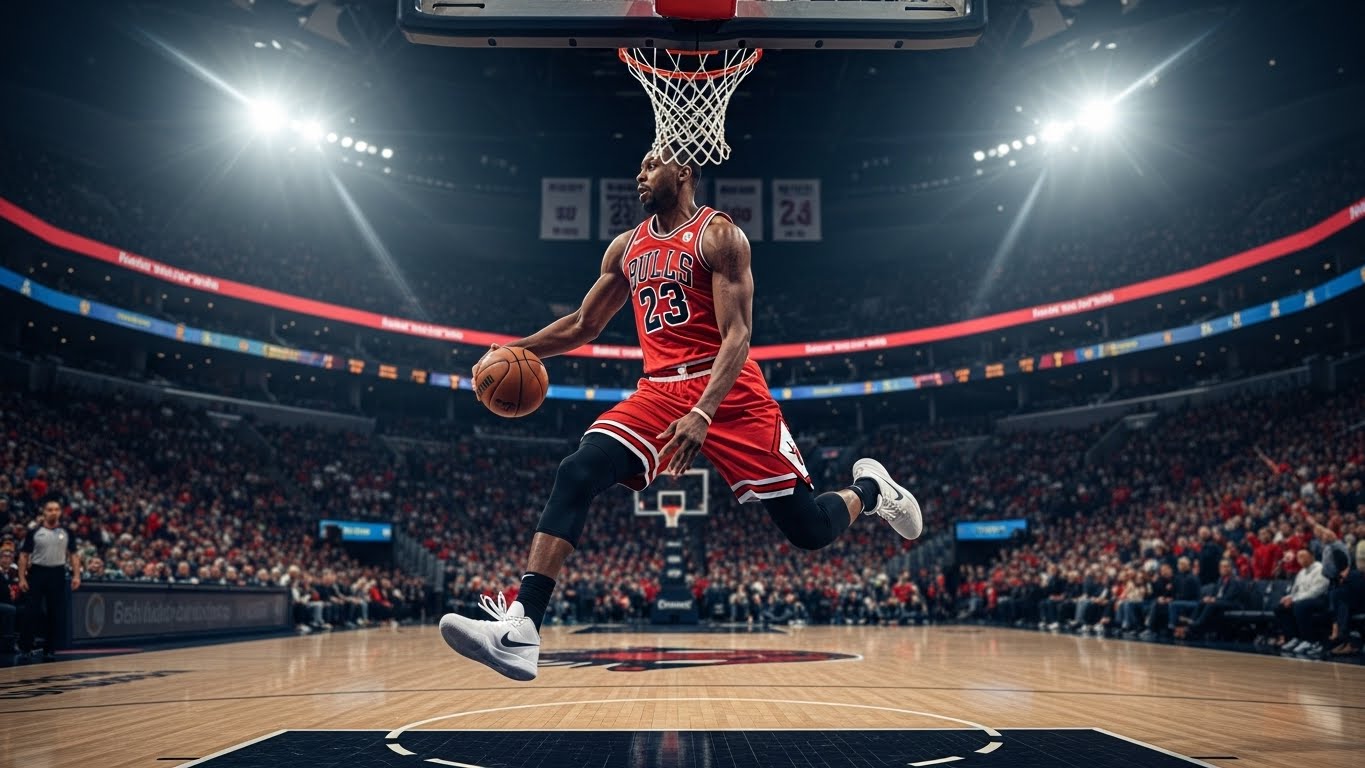
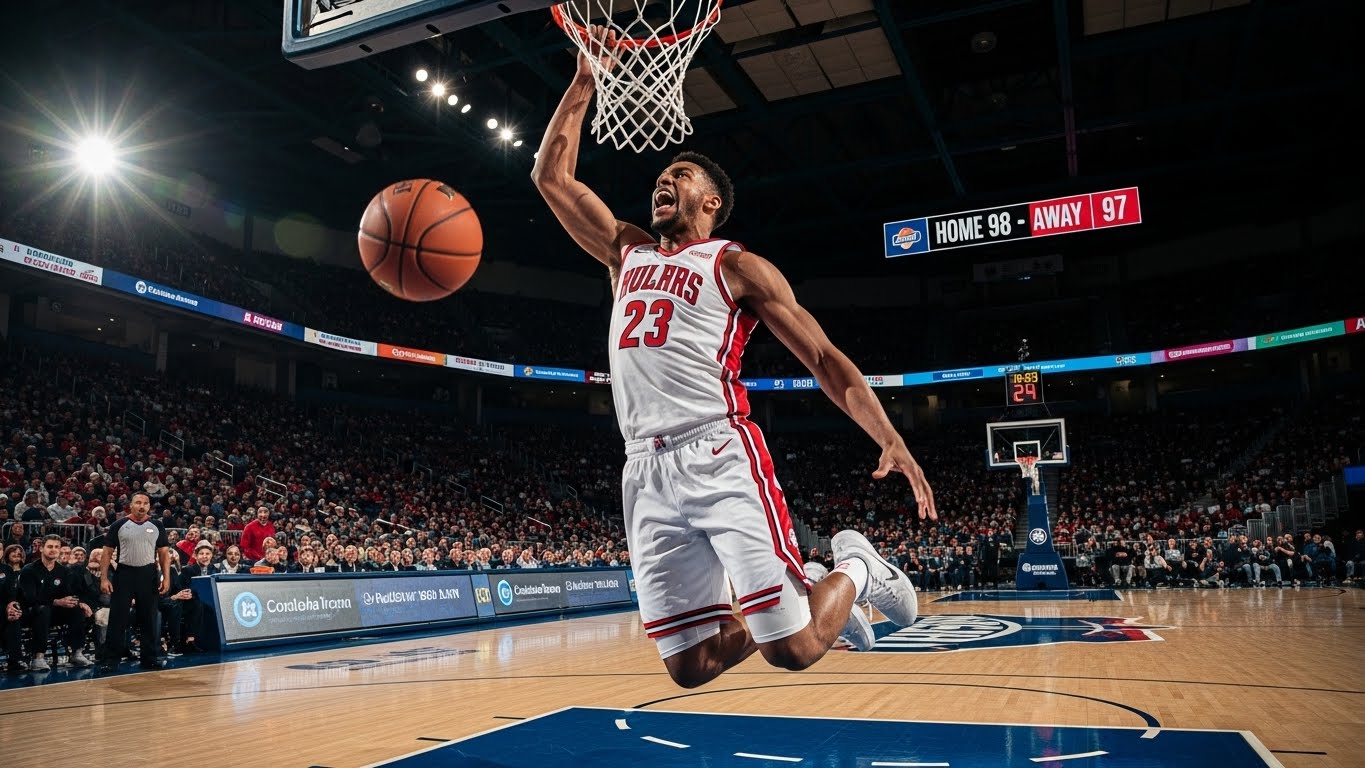
Basketball, cricket, tennis, rugby, and athletics have also established significant global followings. Each sport reflects unique cultural, regional, and historical contexts, shaping fan behavior, media coverage, and commercial investment. The diversity of sports allows individuals to connect with different cultures, traditions, and competitive experiences.
Technology in Sports: Innovation and Performance Enhancement
Technology has transformed how sports are played, viewed, and analyzed. Wearable devices, GPS tracking, and biometric sensors provide real-time performance data for athletes and coaches, enhancing training, strategy, and injury prevention. Video analysis tools and motion capture technology allow detailed assessments of technique, helping athletes achieve peak performance.
Broadcasting technology has also revolutionized spectator experiences. High-definition television, streaming platforms, and virtual reality bring fans closer to the action, creating immersive experiences. Technology in officiating, such as goal-line technology and video assistant referees, ensures fairness and transparency in competitions.
Economic Impact of Sports
Sports contribute significantly to the global economy. Professional leagues, tournaments, sponsorships, merchandising, and broadcasting rights generate billions of dollars annually. Major sporting events, such as the Olympics and World Cups, drive tourism, infrastructure development, and employment opportunities.
The sports industry also supports careers beyond athletes, including coaches, trainers, analysts, medical professionals, broadcasters, and marketing experts. Sports-related businesses, from apparel brands to fitness technology companies, benefit from the widespread popularity of athletic activities. This economic ecosystem highlights sports as both entertainment and a major driver of economic growth.
Sports and Education
Sports and education are closely intertwined. Many schools and universities integrate athletic programs to promote physical fitness, teamwork, and discipline among students. Scholarships and collegiate competitions provide pathways for talented athletes to pursue education and professional sports simultaneously.
Participation in sports during educational years develops life skills such as leadership, time management, resilience, and goal setting. These skills are transferable to professional careers, contributing to personal growth and societal contribution beyond athletic achievements.
Challenges in the World of Sports
Despite its benefits, sports face several challenges. Corruption, doping, match-fixing, and unethical practices can undermine integrity and public trust. Governing bodies must enforce regulations, testing protocols, and transparent oversight to maintain fair play.
Injury and athlete burnout are significant concerns, particularly in professional sports. Managing training loads, recovery, and mental health is essential for sustainable performance. Gender disparity and unequal access to opportunities remain pressing issues, with efforts needed to ensure inclusivity, equity, and representation in sports at all levels.
The Role of Media and Entertainment in Sports
Media and entertainment have elevated sports into a global spectacle. Television broadcasts, live streaming, and social media platforms expand reach, engage audiences, and create fan-driven communities. Storytelling around athletes, teams, and competitions adds drama, excitement, and emotional connection, transforming sports into entertainment that resonates with diverse audiences.
Esports and virtual competitions are further blurring the line between traditional sports and digital gaming. Competitive gaming attracts millions of viewers, offering prize pools, sponsorships, and professional opportunities that parallel traditional athletic events. The convergence of technology, media, and sports entertainment is redefining the sports landscape.
The Future of Sports: Trends and Innovations
The future of sports is likely to be shaped by technology, sustainability, and globalization. Wearable tech, data analytics, and AI-driven coaching will enhance training and strategy. Virtual and augmented reality will create immersive fan experiences, allowing spectators to engage with events from anywhere in the world.
Sustainability will become a central focus, with environmentally responsible stadiums, energy-efficient operations, and green initiatives gaining importance. Globalization will continue to connect fans and athletes across borders, fostering cross-cultural exchange and expanding the reach of emerging sports.
Inclusivity, diversity, and equal opportunity will be essential for the continued growth and relevance of sports, ensuring participation and recognition for all individuals, regardless of gender, ethnicity, or socioeconomic background.
Conclusion: Sports as a Catalyst for Growth and Unity
Sports are more than games—they are a reflection of human culture, resilience, and creativity. They foster community, promote health, inspire excellence, and drive economic growth. From grassroots participation to professional leagues, sports provide opportunities for personal development, social interaction, and entertainment.
As technology advances and global connectivity increases, sports will continue to evolve, offering innovative experiences for athletes and fans alike. Their ability to unite people, transcend cultural barriers, and celebrate human potential ensures that sports will remain a vital and enduring aspect of society. Beyond the scores, records, and competitions, sports embody the spirit of perseverance, teamwork, and shared humanity.