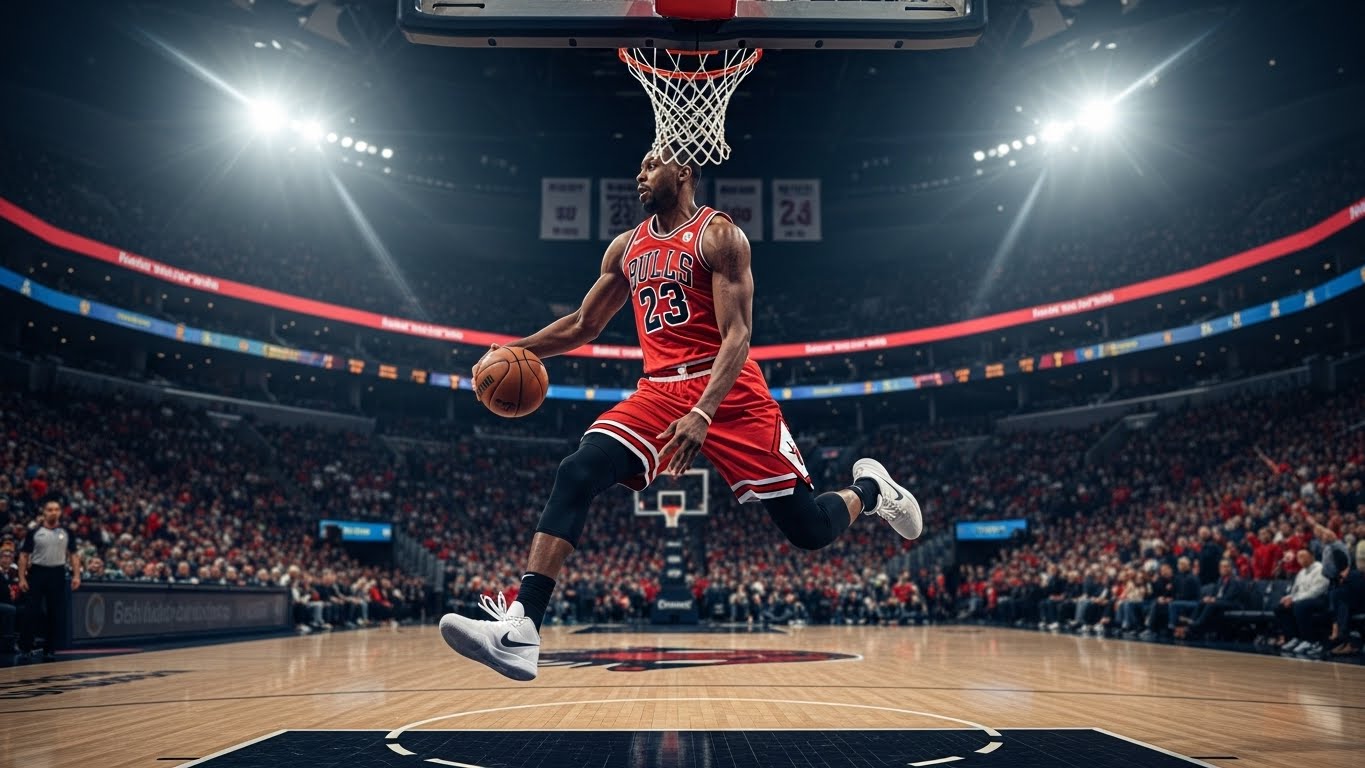

Introduction: The Universal Language of Sports
Sports have been an integral part of human civilization for thousands of years. From ancient Olympic Games in Greece to modern-day global competitions, sports have transcended borders, languages, and cultures. They are more than physical activity—they are a reflection of society, a source of entertainment, and a medium through which people connect and inspire one another. Whether played professionally or casually, sports have the power to unite communities, shape character, and influence culture.
The Role of Sports in Human Development
Engaging in sports is not just about physical fitness. It promotes mental, emotional, and social development. Participation in sports teaches discipline, perseverance, teamwork, and time management. Young athletes learn to cope with both victory and defeat, develop problem-solving skills, and build confidence. Sports provide a structured environment where individuals can set goals, face challenges, and experience personal growth. The lessons learned on the field often translate into life skills that help people succeed beyond sports.
The Evolution of Sports
The history of sports is as diverse as human civilization itself. Ancient societies practiced physical activities for survival, ritual, or leisure. Organized competitions emerged over time, with societies codifying rules and creating structured games. The modern era introduced professional leagues, international tournaments, and standardized regulations. Advancements in technology have also transformed sports, allowing fans to watch live events from around the world, analyze performance statistics, and engage with athletes in unprecedented ways.
Popular Sports Around the World
Different regions have developed unique sports that reflect local culture and values. Football, also known as soccer, dominates Europe, South America, and increasingly the United States. Cricket enjoys immense popularity in South Asia and Australia. Basketball, American football, and baseball have strong followings in North America. Sports like rugby, tennis, and athletics have global recognition. Each sport has its own set of rules, strategies, and fan culture, providing diverse opportunities for athletes and spectators alike.
The Life of a Professional Athlete
Becoming a professional athlete requires dedication, discipline, and sacrifice. Training routines are rigorous, combining physical conditioning, skill development, and mental preparation. Nutrition, sleep, and recovery play critical roles in performance. Beyond physical abilities, athletes must also manage stress, public attention, and competition pressure. Success is measured not just in wins but in consistency, resilience, and the ability to inspire others. Professional athletes often become role models, influencing aspiring players and shaping societal perceptions of sportsmanship and achievement.
The Importance of Teamwork and Leadership
Sports teach valuable lessons about teamwork and leadership. In team sports, success depends on coordination, communication, and mutual trust. Players must understand their roles, support each other, and work toward shared goals. Leadership emerges both on and off the field, as captains and coaches guide strategy, motivate players, and make critical decisions. Even in individual sports, collaboration with coaches, trainers, and peers is essential for improvement. These dynamics cultivate interpersonal skills that are invaluable in personal and professional life.
The Impact of Sports on Health and Fitness
Regular participation in sports significantly improves physical health. Cardiovascular endurance, muscular strength, flexibility, and coordination are enhanced through consistent training. Sports also promote mental health by reducing stress, anxiety, and depression. The sense of achievement from mastering a skill or winning a match boosts self-esteem and emotional resilience. Communities that prioritize sports often experience lower rates of obesity and lifestyle-related illnesses, highlighting the role of physical activity in maintaining overall well-being.
Sports as a Cultural Phenomenon
Sports are deeply embedded in cultural identity. Major events like the Olympic Games, FIFA World Cup, and Super Bowl are more than competitions—they are celebrations of human achievement, national pride, and global unity. Sports influence fashion, media, music, and entertainment. Athletes often become cultural icons, inspiring art, films, and literature. The rituals, chants, and traditions surrounding sports foster a sense of belonging and shared identity among fans, transcending social and geographical boundaries.
The Economic Significance of Sports
Sports contribute significantly to the global economy. Professional leagues, tournaments, and sports clubs generate revenue through ticket sales, merchandise, broadcasting rights, and sponsorship deals. Cities invest in sports infrastructure, stadiums, and training facilities, which create jobs and stimulate local economies. Additionally, sports tourism, sports medicine, and fitness industries thrive as a result of widespread participation and interest. The economic impact of sports highlights its importance not only as a form of entertainment but also as a vital sector of modern society.
Challenges in Modern Sports
Despite its benefits, the world of sports faces several challenges. Issues such as doping, corruption, and match-fixing threaten the integrity of competition. Commercialization and excessive media pressure can impact athletes’ well-being and focus. Gender inequality, lack of access, and socio-economic barriers prevent many from participating fully. Addressing these challenges requires ethical governance, inclusive policies, and a commitment to fair play. Ensuring that sports remain accessible, safe, and equitable is essential for sustaining its positive impact on society.
Sports and Technology: A Changing Landscape
Technology has transformed sports in unprecedented ways. Advanced equipment, performance-tracking tools, and analytics improve training and enhance competitive strategies. Instant replays, virtual reality, and augmented reality enrich the viewing experience for fans. Social media allows athletes to interact directly with supporters, building personal brands and global followings. Even traditional sports are evolving to incorporate digital innovations, ensuring that the industry adapts to the demands of modern audiences.
The Role of Sports in Education
Sports play a critical role in education and youth development. Schools and universities offer programs that balance academics with physical activity, teaching discipline, leadership, and teamwork. Athletic scholarships provide opportunities for students to pursue higher education while excelling in sports. Beyond competitive success, participation in sports fosters character development, resilience, and ethical behavior, preparing young individuals for challenges in academics, careers, and personal life.
The Social Power of Sports
Sports have the unique ability to unite people across social, economic, and cultural divides. Events bring communities together, creating shared experiences and collective memories. Athletes often use their platforms to advocate for social change, promote awareness on global issues, and inspire activism. Grassroots sports programs contribute to community development, providing safe spaces for youth engagement, education, and social interaction. In this way, sports serve as both a mirror and a catalyst for societal progress.
The Future of Sports
The future of sports promises innovation, inclusivity, and global expansion. Emerging technologies will make training more efficient, competitions more exciting, and viewing experiences more immersive. Efforts to increase gender equality and accessibility will broaden participation, ensuring that sports reflect the diversity of society. Esports and virtual competitions are creating new forms of athletic expression, blurring the lines between physical and digital sports. As the world continues to change, sports will adapt, continuing to inspire, challenge, and unite humanity.
Conclusion: More Than a Game
Sports are far more than competition or entertainment. They are a fundamental part of human culture, shaping character, fostering community, and inspiring generations. Whether through the thrill of victory, the lessons of defeat, or the camaraderie of teamwork, sports impact lives in profound ways. They promote health, culture, economy, and social cohesion, demonstrating their enduring importance in society. As long as there are individuals seeking challenge, connection, and expression, sports will remain an essential part of the human experience.