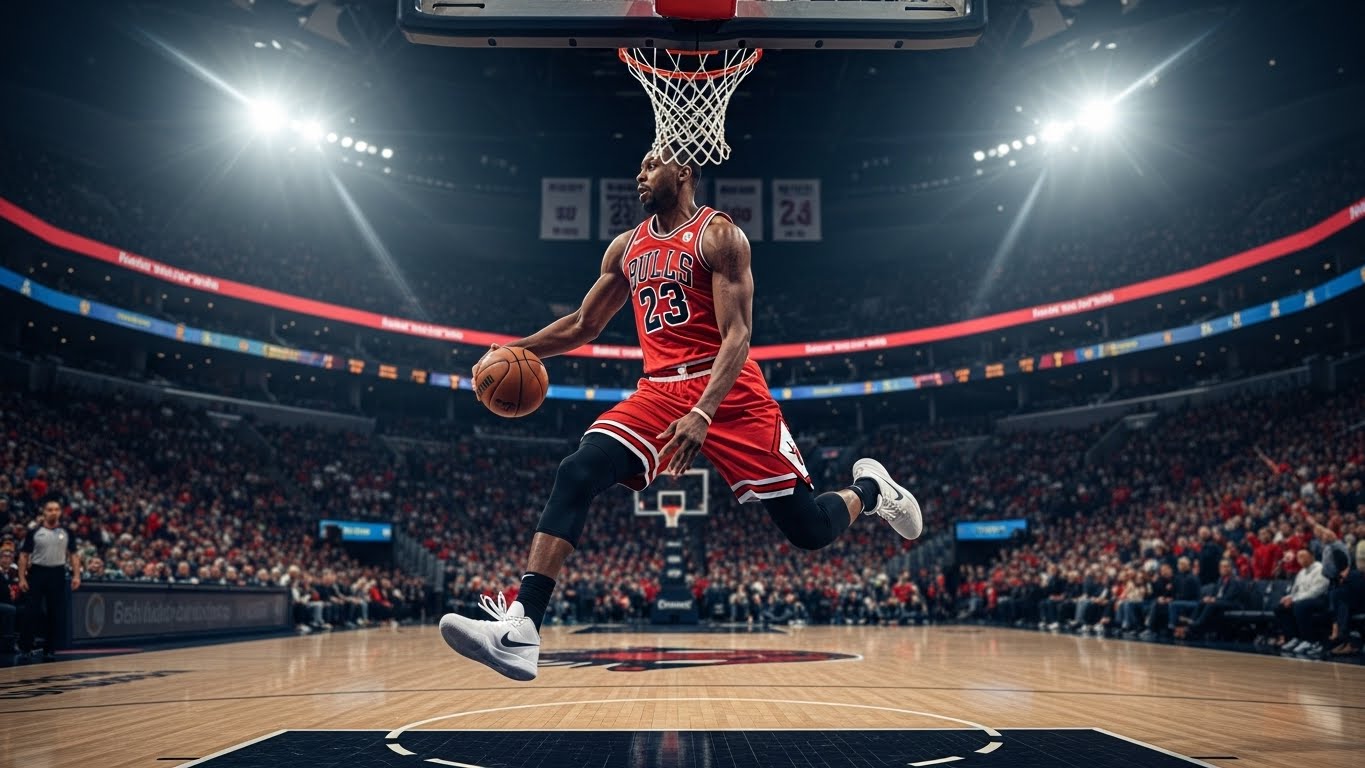

Sports have always been more than a form of entertainment. From ancient competitions to modern international events, sports connect people, inspire excellence, and teach life lessons. Beyond the thrill of victory and the agony of defeat, sports influence physical health, mental well-being, social bonds, and even cultural identity. This article explores the multifaceted impact of sports on individuals and society, delving into its physical, mental, social, and cultural dimensions.
The Physical Benefits of Sports
At its core, sports are a celebration of physical activity. Regular participation helps maintain a healthy body, improve cardiovascular fitness, strengthen muscles, and enhance flexibility. Engaging in sports reduces the risk of chronic conditions such as heart disease, diabetes, and obesity. For children and adolescents, sports play a critical role in developing strong bones, coordination, and lifelong healthy habits.
Different sports offer different physical benefits. Endurance-based activities like running, swimming, and cycling enhance stamina and lung capacity, while strength-focused sports like gymnastics, wrestling, and weightlifting build muscle and improve overall power. Team sports like football, basketball, and cricket combine speed, agility, and strength, creating well-rounded athletes. Beyond physical health, sports prepare the body to adapt to challenges, improve reflexes, and boost overall vitality.
Mental and Emotional Growth Through Sports
While physical benefits are evident, sports also significantly enhance mental health. Physical activity stimulates the release of endorphins, which reduce stress, anxiety, and depression, creating a natural boost in mood. Athletes learn focus, discipline, and resilience through consistent practice and competition.
Participation in sports helps individuals develop patience and perseverance. Overcoming setbacks, whether losing a match or failing to achieve personal goals, teaches resilience and determination. Children and young adults gain confidence, leadership skills, and the ability to handle competition constructively. Sports instill the mindset that challenges are opportunities for growth rather than obstacles.
Teamwork and Social Skills
One of the greatest strengths of sports is its ability to foster social connections. Team sports such as soccer, volleyball, and hockey encourage collaboration and communication. Players learn the value of working together, supporting teammates, and celebrating shared achievements. These experiences cultivate empathy, cooperation, and conflict-resolution skills, which are valuable in both personal and professional life.
Even individual sports such as tennis, swimming, or martial arts provide social interaction through coaching, competition, and shared training sessions. Community sports programs, clubs, and leagues create opportunities for friendships, mentorship, and social bonding. Sports also teach the importance of respect, fairness, and sportsmanship, strengthening the moral fabric of society.
Sports as a Cultural Phenomenon
Sports reflect a society’s history, values, and traditions. From local festivals to global tournaments, sports celebrate culture and community identity. Events like the Olympics, FIFA World Cup, and Wimbledon are not just competitions; they are cultural milestones that unite nations and inspire collective pride.
Sports also serve as a medium for cultural exchange. Fans from different countries share traditions, chants, and celebrations, fostering understanding and mutual respect. Indigenous and traditional sports preserve cultural heritage, ensuring that games from the past continue to inspire future generations. The cultural impact of sports extends beyond entertainment, influencing fashion, art, music, and national identity.
Women in Sports: Breaking Barriers
Historically, sports were male-dominated, but women’s participation has grown significantly. Female athletes continue to challenge stereotypes, achieve remarkable success, and inspire young girls worldwide. Icons in tennis, football, gymnastics, and athletics have become global role models, demonstrating that dedication, talent, and resilience are not gender-specific.
Promoting women in sports advances social equality. It encourages fair opportunities, challenges outdated norms, and empowers women to pursue their passions. Women’s sports have also generated economic opportunities through sponsorships, media coverage, and professional leagues, highlighting the ongoing transformation of the sports landscape.
The Economic Impact of Sports
Sports are a powerful economic engine. Professional leagues, tournaments, and events create employment, generate revenue, and stimulate local economies. Ticket sales, merchandise, tourism, and broadcasting rights contribute significantly to national and global economies.
Local communities benefit from sports infrastructure such as stadiums, training facilities, and academies, which attract visitors and create jobs. The sports industry also encourages entrepreneurship, including businesses in fitness, nutrition, coaching, and sports equipment. The financial ecosystem surrounding sports demonstrates that passion and profit can coexist, contributing to both individual and societal growth.
Technology and Sports: Modern Innovations
Technological advancements have transformed sports. Wearable devices track performance, heart rate, and calories burned, helping athletes optimize training. Video analysis allows players to refine techniques, and virtual simulations provide immersive practice environments.
Technology also enhances fan engagement. Live streaming, interactive apps, and social media platforms allow fans to follow matches, support teams, and participate in virtual communities. While technology elevates performance and entertainment, it also raises ethical questions about data privacy, fairness, and accessibility, emphasizing the need for responsible integration in sports.
Life Skills and Personal Development Through Sports
Sports instill essential life skills. Athletes learn time management, strategic thinking, decision-making, and leadership. Winning gracefully and losing with dignity teaches humility and emotional intelligence. Sports cultivate perseverance, resilience, and a growth mindset—qualities that help individuals navigate challenges in academics, careers, and personal life.
Participation in sports encourages goal-setting and self-discipline. Athletes develop the ability to plan, prioritize, and follow through, translating these skills into real-world success. The lessons learned on the field, court, or track often last a lifetime, shaping character and personal values.
Grassroots and Community Sports
Grassroots sports programs are vital for nurturing talent and promoting physical activity. Schools, community centers, and local clubs provide accessible platforms for children and adults to engage in sports. These programs emphasize participation, enjoyment, and skill development rather than just competition.
Community sports initiatives address social issues such as youth engagement, health awareness, and social cohesion. They create safe spaces for recreation, mentorship, and personal development, fostering healthier, more connected communities. Grassroots sports ensure that the benefits of physical activity and teamwork reach every level of society.
The Future of Sports
The future of sports is dynamic and promising. Emerging trends include adaptive sports for differently-abled athletes, esports integration, and sustainable event management. Technology, including virtual reality, data analytics, and AI, will continue to shape training, performance, and fan experience.
Greater attention to inclusivity, mental health, and ethical governance will define the next era of sports. As participation and accessibility expand, sports will continue to inspire, connect, and empower individuals worldwide. The evolution of sports ensures that it remains a central force in society, reflecting values, innovation, and human potential.
Conclusion: The Enduring Power of Sports
Sports are more than games; they are a reflection of human potential and societal values. They promote physical health, mental well-being, social cohesion, and cultural identity. Sports inspire resilience, discipline, and teamwork, shaping individuals and communities alike.
At its core, sports unite people across boundaries of age, culture, and geography. They foster connection, challenge individuals to grow, and celebrate the human spirit. Whether as a participant, spectator, or supporter, sports leave an enduring impact, reminding us that the pursuit of excellence and the joy of participation are fundamental to life itself.