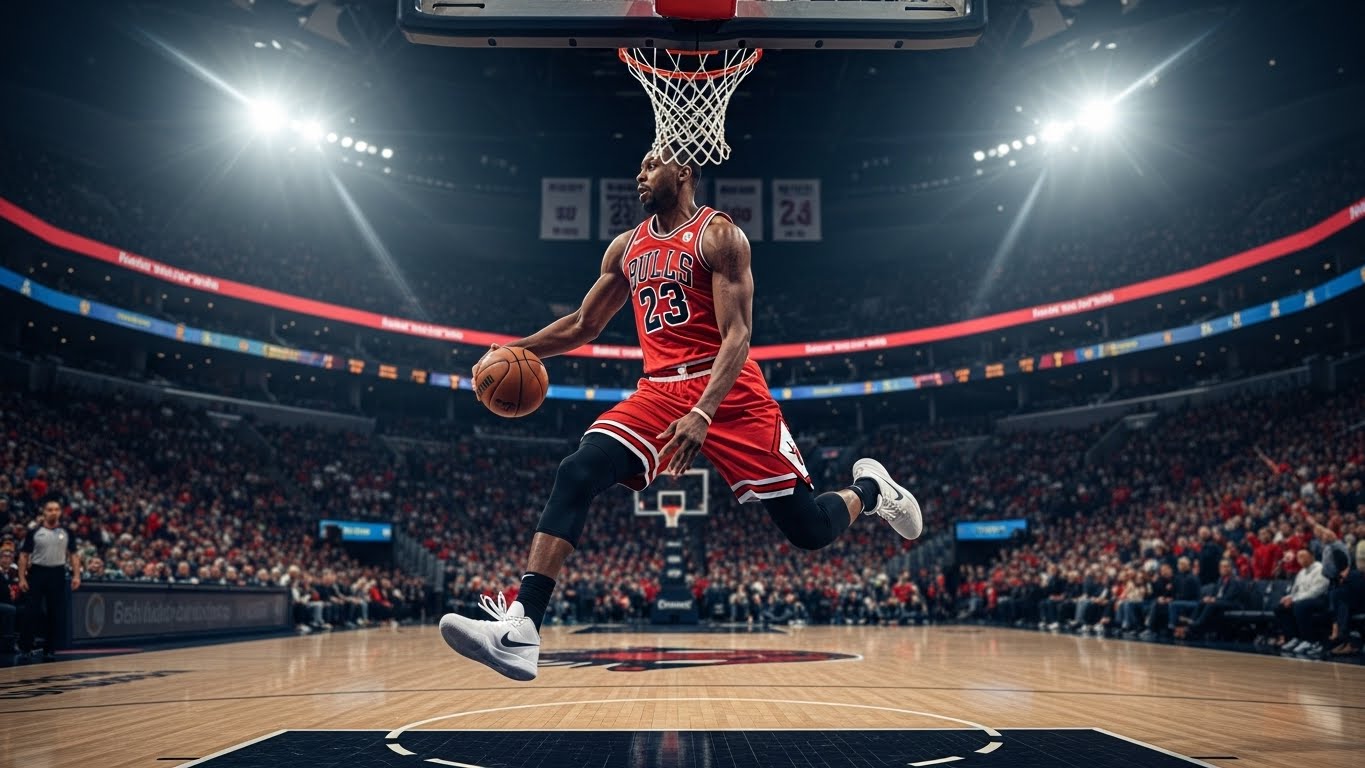
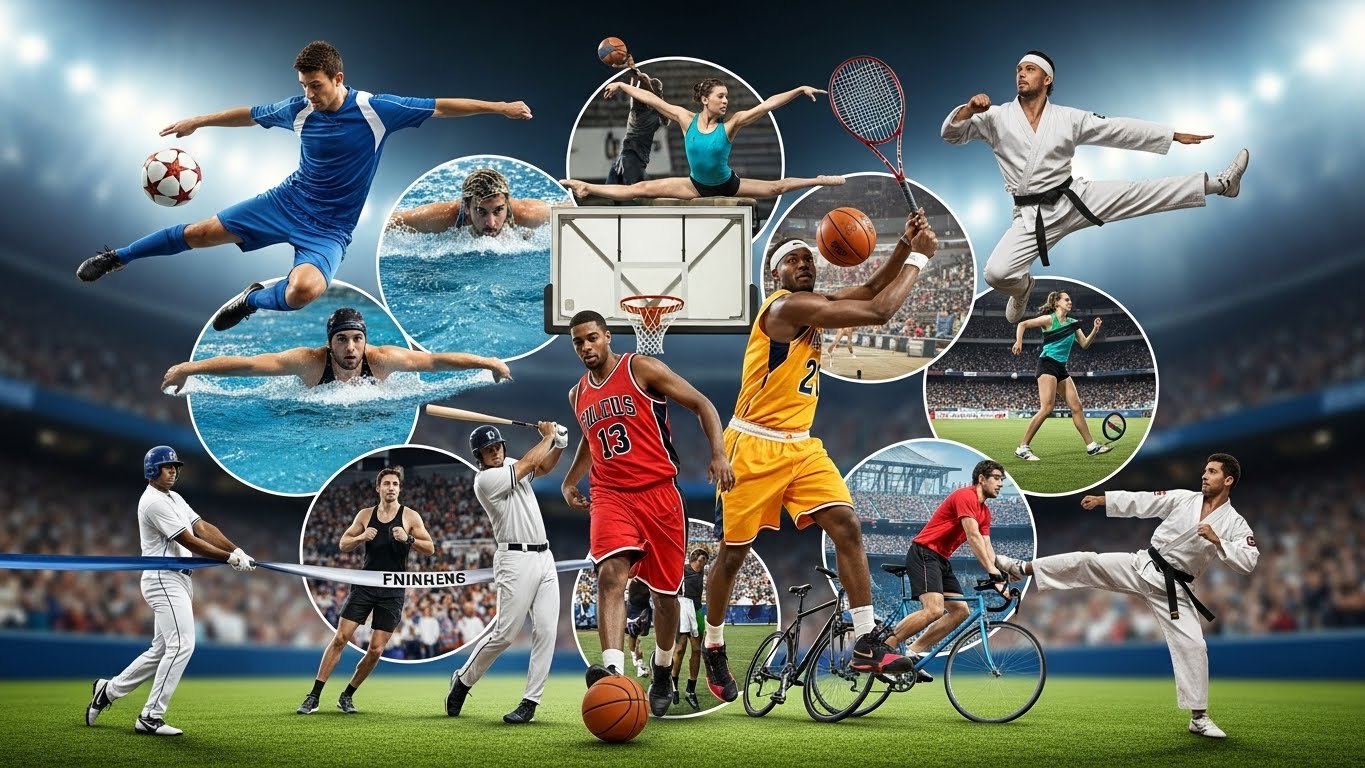
Sports have always held a unique place in human society. From the earliest Olympic Games in ancient Greece to the high-tech stadiums of today, sports have been more than just a form of entertainment—they are a reflection of culture, a medium for social change, and a catalyst for personal growth. In this blog post, we will explore the multifaceted world of sports, examining its physical, mental, and societal impact while celebrating the stories and values that make it essential in modern life.
The Universal Language of Sports
One of the most remarkable aspects of sports is its universality. Regardless of language, culture, or geography, sports connect people. Whether it is a local soccer match in South America, a cricket game in South Asia, or a marathon in Europe, sports transcend barriers that often divide humanity. They create a shared experience that fosters camaraderie, competition, and community spirit.
Sports act as a common ground for individuals to interact and bond. Watching a favorite team compete or participating in recreational activities allows people from diverse backgrounds to experience joy, disappointment, and excitement together. This unifying power of sports plays a crucial role in promoting social cohesion and cultural exchange.
Physical Health: More Than Just Exercise
The most obvious benefit of sports is physical fitness. Regular participation in sports strengthens muscles, improves cardiovascular health, enhances flexibility, and supports a healthy weight. Sports also contribute to long-term health by reducing the risk of chronic illnesses such as diabetes, hypertension, and heart disease.
Beyond these physiological benefits, sports encourage the adoption of a disciplined lifestyle. Athletes learn to prioritize sleep, nutrition, and recovery, fostering habits that extend beyond the playing field. Even casual participation in sports can have a profound impact on physical well-being, making it an essential component of a balanced lifestyle.
Mental Resilience and Emotional Well-Being
While the physical benefits of sports are widely recognized, the mental and emotional advantages are equally significant. Participation in sports develops discipline, focus, and resilience. Athletes learn to cope with pressure, handle setbacks, and remain determined in pursuit of their goals. These skills translate into everyday life, helping individuals navigate challenges with confidence and composure.
Sports also provide a healthy outlet for stress and anxiety. Engaging in physical activity releases endorphins, natural chemicals that elevate mood and promote mental clarity. Team sports, in particular, foster social support networks, reducing feelings of loneliness and enhancing overall emotional well-being.
Life Lessons Through Competition
Competition is a fundamental aspect of sports, but it is more than winning or losing. It teaches critical life lessons that extend far beyond the playing field. Sports instill the values of perseverance, teamwork, leadership, and integrity. Athletes learn that success often comes after repeated failures and that effort and attitude matter more than innate talent.
Sports also teach the importance of fair play and respect. Whether it is shaking hands after a game or acknowledging an opponent’s skill, these experiences nurture a sense of sportsmanship that is invaluable in personal and professional settings. Through competition, individuals develop a mindset that balances ambition with respect for others.
The Role of Sports in Youth Development
For children and adolescents, sports play a critical role in growth and development. Participation in sports enhances physical coordination, builds self-confidence, and promotes social skills. Young athletes learn to communicate, collaborate, and navigate challenges within a structured environment.
Sports can also be a powerful tool for education. Studies have shown that students who engage in regular physical activity demonstrate improved concentration, memory, and academic performance. Schools and community programs that incorporate sports not only foster healthier lifestyles but also provide pathways for character development and leadership.
Sports and Cultural Identity
Sports are deeply intertwined with cultural identity. Iconic events such as the FIFA World Cup, the Olympics, or the Super Bowl carry immense cultural significance, reflecting national pride, heritage, and collective memory. Fans and athletes alike feel a sense of belonging and identity through their participation or support.
Local sports also preserve cultural traditions. Indigenous games, regional tournaments, and traditional forms of athletic competition maintain connections to heritage and history. By celebrating sports in diverse forms, societies reinforce their cultural values while promoting inclusivity and appreciation of diversity.
Economic Impact and Career Opportunities
Beyond personal growth, sports have a significant economic footprint. Professional leagues, tournaments, and recreational programs generate employment, stimulate tourism, and contribute to local economies. From athletes and coaches to marketers, physiotherapists, and event managers, sports create diverse career opportunities.
Moreover, sports inspire entrepreneurship and innovation. Companies invest in sports technology, training equipment, and performance analytics, driving advancements that benefit not only athletes but the wider population. Sports have become a multi-billion-dollar global industry, demonstrating their influence beyond the field of play.
Women in Sports: Breaking Barriers
The role of women in sports has evolved dramatically over the past century. Female athletes have shattered stereotypes, challenged discrimination, and paved the way for gender equality. Today, women compete at elite levels, lead teams, and inspire future generations to pursue athletic excellence.
While challenges remain, such as unequal pay and limited media coverage, the rise of women in sports signifies progress toward inclusivity and empowerment. Sports offer a platform for advocacy, showcasing the achievements of women while promoting broader societal change.
Technology and the Evolution of Sports
Technology has revolutionized the way sports are played, watched, and analyzed. From wearable fitness trackers to instant replay systems, technological innovations enhance performance, fairness, and fan engagement. Athletes can now monitor their training with precision, while coaches use data analytics to develop strategies that maximize efficiency and success.
Virtual platforms also allow fans to experience sports in immersive ways, from live-streaming events to engaging in fantasy leagues. Technology has transformed sports from a purely physical activity into an interactive global experience, connecting communities and creating new opportunities for participation.
The Social Responsibility of Sports
Sports have a unique power to influence society positively. Athletes and organizations often use their platforms to raise awareness about social issues, promote health initiatives, and support charitable causes. From campaigns addressing inequality to programs encouraging youth participation, sports contribute to meaningful societal change.
Moreover, sports foster environmental consciousness. Green stadium initiatives, sustainable practices in event management, and advocacy for eco-friendly equipment highlight the role sports can play in promoting a more sustainable future. By combining entertainment with social responsibility, sports serve as a force for good in the world.
The Psychological Thrill of Spectatorship
Watching sports is an emotional experience that connects people to narratives larger than themselves. Fans experience joy, tension, heartbreak, and triumph, often mirroring the emotions of the athletes on the field. This shared emotional journey creates communities and strengthens bonds between individuals and nations.
Spectatorship also fosters identity and loyalty. Supporting a team or athlete provides a sense of belonging and shared purpose. It can inspire pride, motivation, and even civic engagement, as sporting events often become rallying points for communities.
The Future of Sports
The future of sports promises continued evolution and innovation. Emerging trends such as esports, adaptive sports for differently-abled athletes, and global youth development programs are expanding the definition of what it means to participate in sports. Artificial intelligence, virtual reality, and bioengineering may further enhance athletic performance and fan experiences.
Despite technological advancements, the core essence of sports remains unchanged: connection, growth, and human expression. Sports will continue to inspire, challenge, and unite people, reflecting the best of what humanity has to offer.
Conclusion: More Than Just a Game
Sports are far more than a pastime or a competition. They are a reflection of our collective humanity, a medium for personal growth, a tool for social change, and a celebration of culture and identity. From physical fitness to mental resilience, from economic impact to societal transformation, the influence of sports permeates every aspect of life.
As we cheer for our favorite teams, participate in local leagues, or engage in recreational activities, we become part of a tradition that transcends generations and borders. Sports remind us of the power of perseverance, the value of teamwork, and the joy of shared experiences. They teach us lessons that endure long after the final whistle blows, proving that the impact of sports is truly lifelong.
Engaging in sports—whether as a participant, a fan, or a supporter—is an investment in personal and collective growth. It nurtures the body, mind, and spirit, fosters communities, and shapes societies. In every match, every race, and every game, sports give us more than a winner or a score—they give us inspiration, connection, and hope for a better future.