Introduction: Sports as a Universal Force
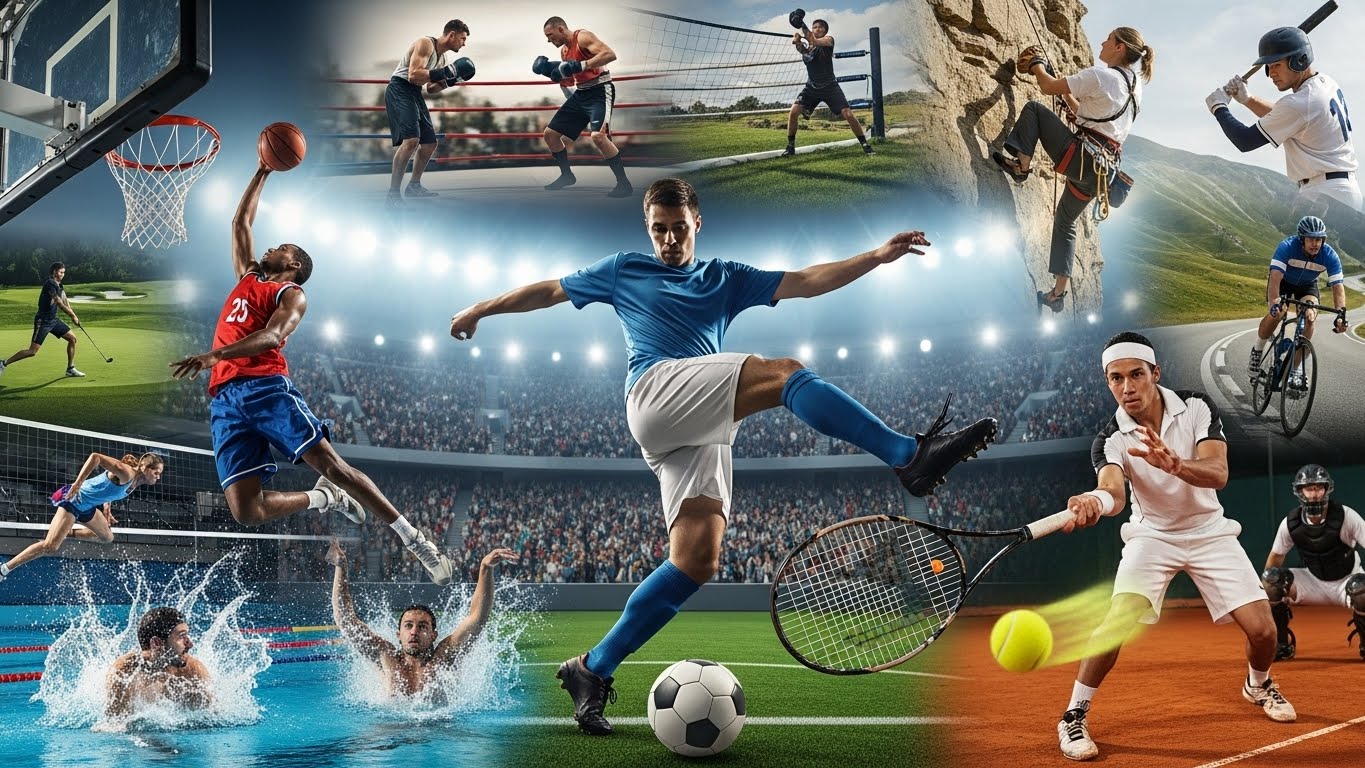
Sports are more than just games; they are a reflection of human spirit, discipline, and determination. From the rush of a final goal in football to the calm focus of a long-distance runner, sports evoke emotions that transcend borders, cultures, and generations. They bring people together, inspire communities, and shape the way we see the world. While many view sports simply as entertainment, their impact on physical health, mental well-being, social development, and cultural identity is profound.
The Historical Journey of Sports
Sports have been a part of human civilization for thousands of years. Ancient civilizations, including the Greeks, Egyptians, and Romans, engaged in physical contests to test strength, skill, and endurance. The Olympic Games, first held in ancient Greece, celebrated human excellence and fostered unity among city-states. Over time, sports evolved from informal local contests to highly organized competitions with standardized rules. Modern sports now attract millions of fans worldwide and have become significant cultural and economic phenomena.
Physical Benefits of Sports
Engaging in sports offers tremendous physical benefits. Regular activity strengthens muscles, improves cardiovascular health, enhances flexibility, and boosts overall endurance. It helps maintain a healthy weight and reduces the risk of chronic illnesses like heart disease, diabetes, and obesity. For children, sports improve coordination, balance, and motor skills, while adults experience increased energy, agility, and longevity. Beyond physical health, sports encourage discipline, consistency, and goal-setting—qualities that extend to everyday life.
Mental Health and Emotional Benefits
The advantages of sports extend far beyond physical fitness. Participating in sports improves mental health by reducing stress, anxiety, and depression. Physical activity triggers the release of endorphins, natural chemicals that enhance mood and promote a sense of well-being. Team sports foster social interaction, building friendships and a sense of belonging. Athletes also develop resilience, patience, and self-confidence as they face challenges and setbacks, skills that are essential in personal and professional life.
Sports as a Catalyst for Social Change
Sports possess a unique ability to unite people and promote positive social change. Events like the Olympics and World Cup bring together participants from diverse backgrounds, fostering global understanding and cooperation. Athletes often use their platforms to advocate for social justice, environmental protection, and equality. Stories of individuals overcoming adversity through sports inspire communities and demonstrate the power of determination and teamwork. By bridging cultural, economic, and political divides, sports contribute to a more inclusive and harmonious society.
The Role of Sports in Education
Incorporating sports into educational systems provides more than physical activity; it supports holistic development. Students involved in sports learn teamwork, time management, leadership, and strategic thinking. They experience both victories and defeats, understanding the value of perseverance and learning from failure. Schools and universities that prioritize athletics alongside academics create environments where students grow physically, mentally, and socially. Sports also promote inclusivity, offering opportunities for students from diverse backgrounds to connect and collaborate.
Professional Sports and Career Opportunities
The professionalization of sports has transformed athletic talent into lucrative careers. Beyond playing, athletes can pursue coaching, sports medicine, physiotherapy, event management, journalism, and analytics. Technology-driven roles in performance optimization and fan engagement are also emerging. Professional sports contribute significantly to economies by generating employment, stimulating tourism, and supporting industries such as broadcasting, merchandise, and sponsorship. For many, sports provide both a career and a lifelong passion.
Women in Sports: Breaking Boundaries
For centuries, sports were largely male-dominated. However, women athletes have increasingly challenged these norms and achieved remarkable accomplishments. The rise of women’s sports leagues, global competitions, and campaigns for gender equality have transformed perceptions. Female athletes inspire future generations to pursue sports without limitation. Their successes highlight the importance of equal opportunity, representation, and recognition, demonstrating that sports can empower individuals while promoting social progress.
The Impact of Technology on Sports
Technology has reshaped the way sports are played, analyzed, and enjoyed. Advanced equipment enhances performance, wearable devices track health metrics, and video-assisted refereeing ensures fair play. Fans now have immersive experiences through live broadcasts, virtual reality, and interactive content. Technology also plays a critical role in injury prevention, recovery, and strategic planning. The intersection of innovation and athletics continues to elevate both performance and fan engagement, making sports more precise, scientific, and entertaining than ever before.
Sports and Cultural Identity
Sports are a reflection of culture and national identity. Iconic sports, such as cricket in India, rugby in New Zealand, or sumo wrestling in Japan, carry deep cultural significance. International competitions allow nations to showcase talent, pride, and unity on a global stage. Sporting events inspire patriotism, community pride, and shared experiences. Through sports, societies express values, preserve traditions, and create a sense of belonging that extends beyond borders.
Challenges in the World of Sports
Despite their benefits, sports face challenges that cannot be ignored. Doping, corruption, commercialization, and extreme pressures on athletes threaten the integrity of sports. Young players often face burnout due to intense competition and unrealistic expectations. Addressing these issues requires ethical governance, education, and support systems that prioritize well-being and fair play. Maintaining balance between competition and health is critical for sustaining the positive impact of sports across generations.
The Future of Sports
The future of sports is dynamic and promising. Adaptive sports are gaining recognition, making participation more inclusive for differently-abled athletes. Virtual sports and e-sports are expanding the definition of competition, attracting younger audiences. Sustainability is becoming central, with initiatives to minimize environmental impact at sporting events. Sports will continue to evolve with society, embracing innovation, inclusivity, and responsibility while retaining their core essence: inspiring, challenging, and connecting people.
Conclusion: The Enduring Power of Sports
Sports are far more than games; they are a mirror of human potential, resilience, and unity. They teach discipline, teamwork, leadership, and empathy. Sports inspire communities, transcend cultural and social divides, and offer lessons that extend into all aspects of life. Whether played professionally or recreationally, sports shape individuals and societies, promoting health, confidence, and global understanding. In every match, race, and competition, the true power of sports is revealed—not just in victories or records, but in the way they enrich lives, foster connections, and drive progress.