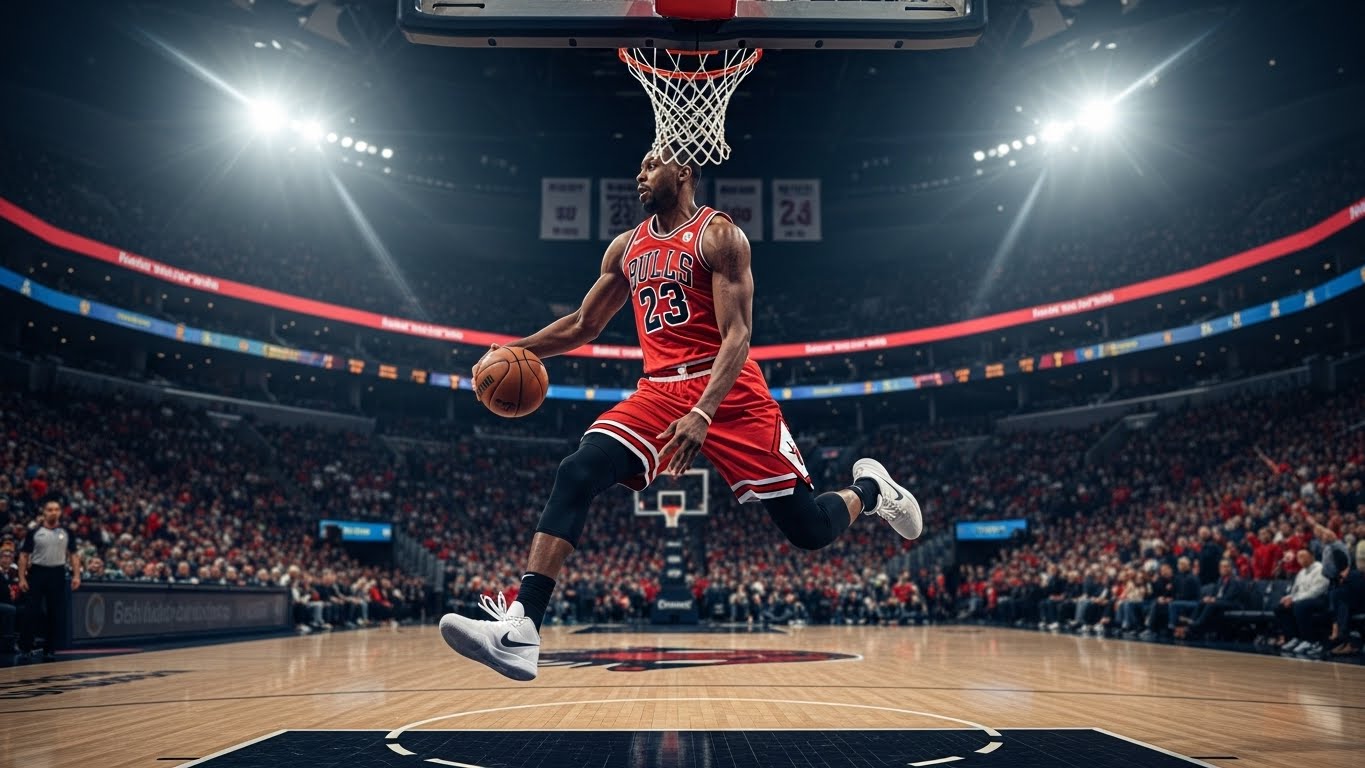
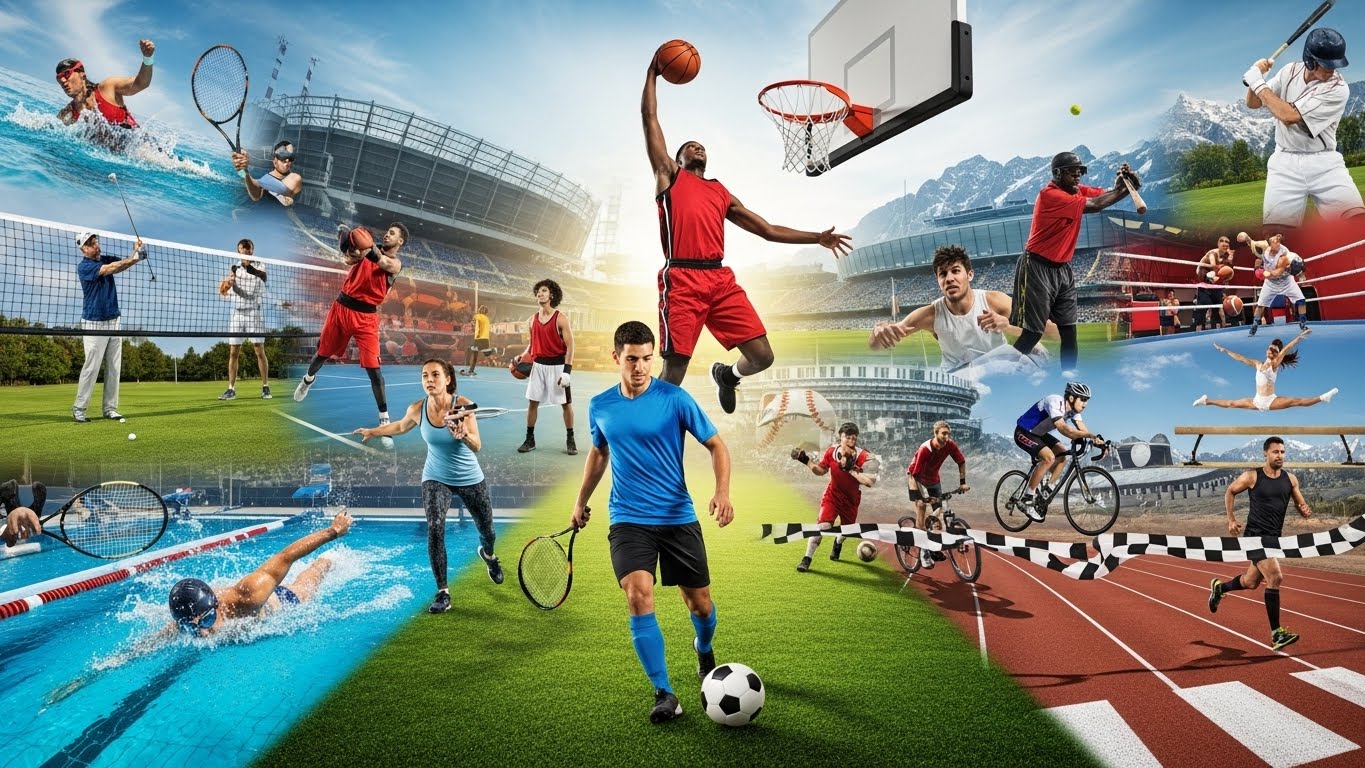
Sports have been a part of human culture for thousands of years, from ancient civilizations to modern-day professional leagues. They are not just a form of entertainment; sports hold a unique ability to connect people across cultures, teach valuable life lessons, and inspire greatness. Whether it’s a local pick-up game or the thrill of a world championship, the power of sports extends far beyond the physical competition. In this blog post, we’ll explore the numerous ways sports shape individuals, societies, and even the world at large.
The Global Language of Sports
Sports transcend borders, languages, and cultures, serving as a universal language that connects people regardless of where they are from. While football, basketball, and cricket may have different names in different countries, they evoke the same passion, the same joy, and the same collective experience. The shared love of a game can bring people together in ways that few other things can.
Take the example of the FIFA World Cup. Countries from every corner of the globe come together to compete, but more importantly, to celebrate their shared love for football (or soccer, depending on where you are). During the World Cup, millions of fans are united by their teams and players, temporarily forgetting political differences or national divides. Sports create a unique sense of solidarity—where individuals, families, and even entire nations bond over a common goal: the joy of watching or playing a game they love.
In this global age, sports events often become a celebration of unity and identity. The sense of belonging that fans experience while watching their national teams compete is unparalleled. It’s more than just a game; it’s a display of culture, pride, and history all rolled into one.
The Physical and Mental Benefits of Sports
While sports are often associated with competition, their impact on physical and mental health is even more profound. Regular physical activity, especially through sports, has been proven to reduce the risk of chronic diseases, improve cardiovascular health, and boost the immune system. Sports help improve flexibility, strength, and coordination, which are essential for overall well-being.
But the benefits of sports are not confined to the physical realm. They also play a significant role in mental health. Exercise and physical activity stimulate the release of endorphins—natural chemicals in the brain that promote a sense of happiness and well-being. Participating in sports helps reduce stress, anxiety, and symptoms of depression. Many individuals find that engaging in physical activities, especially team sports, helps them manage their emotions better and improves their mood.
Moreover, sports teach individuals how to deal with failure and success alike. Athletes often face setbacks, injuries, and losses, but it is through these challenges that they develop resilience. Learning how to push through obstacles and bounce back from defeat is a life skill that extends well beyond the playing field.
The Role of Sports in Character Building
One of the most powerful aspects of sports is its ability to build character. Whether through individual achievements or teamwork, athletes learn valuable lessons that shape their personalities and contribute to their growth as individuals. Through sports, individuals develop qualities like discipline, determination, perseverance, and leadership.
Discipline is a cornerstone of any successful sports career. Whether it’s waking up early to train, adhering to a strict diet, or managing time between practice and study, athletes must be disciplined in their approach to their craft. This level of commitment carries over into other areas of life, encouraging a strong work ethic and a sense of responsibility.
Perseverance is another lesson that sports teach. Whether an athlete is training for a marathon, competing in a championship, or trying to improve their personal best, setbacks are inevitable. The key is to keep going despite the challenges, and this ability to persist in the face of adversity is a trait that helps individuals succeed in their careers, relationships, and personal pursuits.
Team sports, in particular, are excellent for fostering leadership and collaboration skills. Players learn to work together, communicate effectively, and support one another. These experiences prepare individuals to thrive in team environments, whether in the workplace or other aspects of life. The leadership skills developed through sports—such as motivating others, making quick decisions under pressure, and inspiring confidence—are invaluable in every context.
Sports as a Catalyst for Social Change
Sports have long been at the forefront of social change. Throughout history, athletes have used their platforms to address issues ranging from racial inequality to gender discrimination. Some of the most powerful moments in sports have been those where athletes have spoken out for what they believe is right.
For example, in the 1960s, athletes like Muhammad Ali and Tommie Smith used their success in the ring and on the track to challenge racial segregation and discrimination. Ali’s refusal to be drafted into the Vietnam War, citing his opposition to the war and his religious beliefs, made him a symbol of resistance and social justice. Smith and John Carlos raised their fists in protest during the 1968 Olympics, sending a powerful message about racial inequality in the United States.
In more recent years, athletes have continued to use their platforms to challenge injustice. The rise of the Black Lives Matter movement has seen athletes like Colin Kaepernick kneel during the national anthem in protest against police brutality. These actions have sparked widespread conversation about race, power, and privilege in sports and society, showing that sports can be a powerful force for social change.
Women in sports have also made significant strides, advocating for gender equality, equal pay, and representation. The success of female athletes like Serena Williams, Megan Rapinoe, and Simone Biles has not only inspired young girls to pursue sports but has also helped to break down barriers that have traditionally limited women’s participation in athletics. Sports provide a platform for these athletes to challenge outdated stereotypes and fight for a more inclusive and equal playing field.
Sports and the Economy: A Multi-Billion Dollar Industry
Sports are more than just a passion; they are a massive global industry that generates billions of dollars each year. From ticket sales to merchandise, sponsorships, and broadcasting rights, the business of sports touches virtually every aspect of the global economy.
Professional leagues like the National Football League (NFL), National Basketball Association (NBA), and English Premier League (EPL) are multi-billion-dollar organizations that contribute significantly to the economy of their respective countries. These leagues not only provide jobs for players, coaches, and staff but also for the companies that sponsor them, the broadcasters that air the games, and the vendors that sell tickets and merchandise.
In addition to the financial benefits, sports can revitalize local economies. Hosting a major sporting event, like the Olympics or the FIFA World Cup, can bring in millions of tourists, generate revenue for hotels and restaurants, and boost public infrastructure. The economic impact of sports is undeniable, making it a key player in the global economy.
The Evolution of Sports: Technology and Innovation
As we move further into the 21st century, sports continue to evolve thanks to advancements in technology and innovation. From performance-enhancing equipment to data analytics and virtual reality (VR), technology is changing the way athletes train, compete, and entertain.
Wearable technology, such as fitness trackers and smartwatches, has revolutionized how athletes monitor their performance. These devices can track heart rate, steps, sleep patterns, and even hydration levels, providing valuable data that can help athletes optimize their training and recovery. Additionally, video analysis tools allow coaches to break down gameplay and identify areas for improvement, providing an edge that was previously unavailable.
Virtual reality is also transforming the way athletes prepare for competitions. VR allows players to simulate real-game scenarios, helping them hone their skills in a controlled environment. This immersive training method is being used by teams in sports like basketball, football, and even combat sports to improve reaction times, strategic thinking, and mental focus.
On the spectator side, technology has made it easier than ever to follow sports. Streaming services, advanced broadcasting techniques, and social media platforms have allowed fans to watch games from anywhere in the world, bringing them closer to the action than ever before.
The Future of Sports: Embracing New Horizons
The future of sports is full of exciting possibilities. With growing interest in eSports, the rise of new leagues, and technological innovations on the horizon, the world of sports will continue to evolve in ways we may not yet fully understand. The growing integration of esports into mainstream culture, with its huge viewership and sponsorship deals, hints at the growing intersection of traditional and digital sports.
At the same time, the importance of inclusivity and diversity in sports will likely continue to grow. As more women, people of color, and athletes from diverse backgrounds gain recognition, the face of sports will continue to shift to become more representative of society as a whole. The role of sports as a tool for social change will also continue to evolve, with athletes increasingly using their platforms to advocate for justice and equality.
One thing is certain: sports will remain a powerful force in our lives. They will continue to entertain, inspire, and challenge us to push beyond our limits—both individually and as a global community.
Conclusion: More Than Just a Game
Sports are far more than just a physical activity or a form of entertainment. They are a catalyst for social change, a vehicle for character building, a source of economic prosperity, and a universal language that connects people across the globe. Whether you are a player, a fan, or an advocate, sports offer countless benefits that reach beyond the game itself. They have the power to shape lives, transform societies, and inspire greatness, and they will continue to do so for generations to come.