Introduction: The Universal Language of Sports
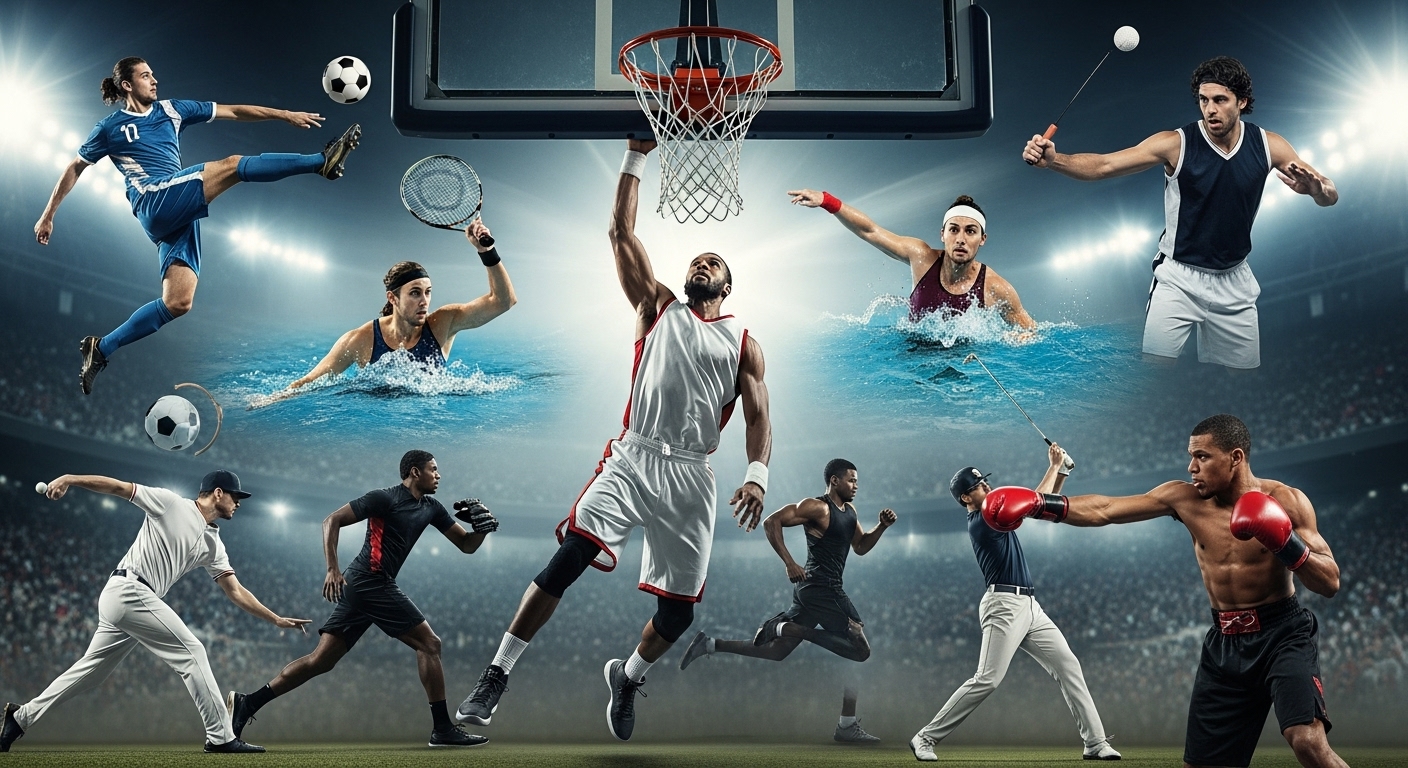
Sports are a global phenomenon, transcending language, culture, and geographical boundaries. From the local soccer field to the grandest international arenas, sports unite people through shared passion, competition, and community. The appeal of sports is not limited to its entertainment value alone. At its core, sports are about more than just winning or losing. They offer a unique space where individuals and communities can come together, celebrate human achievement, and demonstrate resilience, determination, and teamwork. Whether played for fun, fitness, or competition, sports have a profound impact on our lives and society.
The Roots of Sports: A Brief History
Sports have been a part of human civilization for thousands of years. The ancient Greeks, famous for their contributions to philosophy and democracy, also laid the foundation for modern competitive sports through the Olympic Games. These early games celebrated athletic excellence and became a platform for cultural exchange. Over time, sports evolved, influenced by different cultures around the world. From the traditional ball games of the Mayans to the gladiatorial contests of Rome, the purpose of sports remained consistent—test the human body and spirit in ways that bring both personal and communal pride. Today, organized sports have become an integral part of modern society, with professional leagues, international competitions, and recreational activities available to people of all ages.
The Physical Benefits: Fitness and Health
The most obvious benefit of sports is the improvement of physical health. Whether it’s running, swimming, cycling, or team-based sports like football and basketball, physical activity through sports strengthens the heart, muscles, and bones. Regular exercise reduces the risk of chronic diseases such as diabetes, heart disease, and obesity. Sports also help improve coordination, flexibility, and balance, which can reduce the risk of injury and improve overall mobility. For children and adolescents, participation in sports is crucial for developing physical literacy—the fundamental movement skills that lay the foundation for a lifetime of physical activity.
Engaging in sports can also help improve mental health. Exercise releases endorphins, which are chemicals in the brain that help reduce stress, anxiety, and depression. Many athletes report that playing sports is a natural way to relieve pressure and clear their minds. Additionally, regular physical activity improves sleep patterns, boosts energy levels, and enhances cognitive function. Sports can provide a sense of routine and structure, which is especially important for people dealing with mental health challenges.
Building Character Through Sports
Beyond the physical and health benefits, sports are an incredible tool for building character. They teach important life skills such as discipline, focus, perseverance, and leadership. The competitive nature of sports requires players to set goals, work towards them, and face both success and failure. In this process, athletes learn how to handle adversity, overcome setbacks, and bounce back stronger.
Team sports, in particular, are powerful teachers of collaboration and communication. Players must learn to work together, support each other, and build trust to achieve a common goal. Leadership, responsibility, and empathy are developed as athletes take on different roles within the team, whether it’s as a captain, a supporter, or a role player. The concept of sacrifice for the team’s success is one of the most valuable lessons in team sports. Players often put the needs of the team ahead of their own, learning humility, teamwork, and the value of shared achievements.
Sports as a Social Connector
One of the most unique and powerful aspects of sports is their ability to bring people together. Sports have a way of bridging divides—whether they be racial, cultural, or socio-economic. From local community leagues to international tournaments, sports foster a sense of belonging and shared identity. Whether watching a game with friends, playing on a neighborhood team, or supporting a favorite athlete, sports create common ground where people can come together, celebrate, and bond.
At the professional level, sports bring people together on a global scale. International competitions like the FIFA World Cup, the Olympics, and the NBA Finals unite millions of fans from all corners of the globe. These events foster national pride, but they also encourage a sense of international camaraderie as people from different countries celebrate their common love of the game. Sports have the ability to transcend differences and promote mutual respect, understanding, and cooperation.
The Role of Technology in Modern Sports
Technology has dramatically transformed the way sports are played, consumed, and understood. Advances in equipment, training techniques, and analytics have elevated athletic performance to new heights. High-tech sports gear, such as wearables and sensors, provides real-time feedback that helps athletes improve their performance and reduce the risk of injury. Coaches and teams now use data-driven insights to optimize training, strategize during games, and monitor the health of their players.
In addition to improving performance, technology has enhanced fan engagement and experience. The rise of digital streaming platforms has made it possible for fans to watch games from anywhere in the world, breaking down geographical barriers. Virtual reality and augmented reality technologies allow fans to experience sports in immersive ways, creating a more interactive and engaging viewing experience. Social media has allowed athletes to connect directly with their fan base, giving followers an inside look at their lives and careers.
Sports and Education: Shaping the Next Generation
Sports are an integral part of education. Many schools around the world offer physical education programs and extracurricular sports activities that are vital for students’ overall development. In addition to improving physical fitness, these programs teach valuable life skills. Students who participate in sports often perform better academically as the discipline and time management skills learned through sports carry over into their schoolwork.
Sports also provide a pathway to higher education through athletic scholarships, allowing students from various backgrounds the opportunity to attend college or university. Many athletes go on to have successful careers in professional sports, but even those who do not find success in their sport can use the life lessons and skills they gain to excel in other careers. The lessons learned through sports—hard work, perseverance, and the ability to work as part of a team—are transferable to many areas of life and work.
The Impact of Sports on Communities
Sports can be a powerful tool for community development. Local sports teams and recreational leagues provide opportunities for young people to stay engaged and active, reducing the likelihood of involvement in negative behaviors. They offer a positive environment where children and adults alike can learn teamwork, social interaction, and leadership skills.
In many places, sports programs provide a sense of pride and identity for communities. Small-town sports teams, local marathons, and regional tournaments often become central to community life, offering a venue for socializing and bonding. These events can also generate economic benefits, attracting tourists, creating jobs, and stimulating local businesses.
Challenges in the Sports World
Despite its many benefits, the world of sports is not without its challenges. Issues such as doping, corruption, discrimination, and gender inequality continue to plague professional sports. The pressure to perform at the highest level often leads athletes to make unethical decisions, while some sports leagues and organizations struggle with scandals and financial mismanagement. Additionally, the commercialization of sports sometimes undermines the true spirit of the game, focusing too much on profits and sponsorship deals at the expense of athletes and fans.
There is also the issue of mental health. Professional athletes are under intense pressure to perform, and the mental strain can take a toll. In recent years, there has been growing recognition of the need to address mental health within the sports community, with more athletes speaking out about their struggles and the importance of support systems.
The Future of Sports: Innovation and Inclusivity
The future of sports looks bright, with continuous innovation in both how the games are played and how they are experienced. Emerging technologies such as artificial intelligence, wearable fitness trackers, and advanced analytics will continue to enhance athletic performance and coaching. Virtual and augmented reality will further transform the fan experience, allowing people to enjoy sports in ways that were once thought impossible.
Additionally, there is an increasing push for inclusivity in sports. Efforts to create more opportunities for women, people of color, and individuals with disabilities in various sports are gaining momentum. This shift is encouraging greater diversity and representation, both on the field and in leadership positions within sports organizations.
Conclusion: The Enduring Legacy of Sports
Sports are more than just games—they are a reflection of human determination, passion, and unity. From their ability to build physical strength to their role in fostering communities, sports have a lasting impact on individuals and society as a whole. They teach life lessons, promote health and fitness, and provide a platform for personal and collective achievement. As technology continues to evolve and sports continue to grow, their role in shaping lives will only become more profound. Whether you’re a player, coach, or fan, sports offer a powerful reminder of the strength of the human spirit and the potential for connection, unity, and growth.