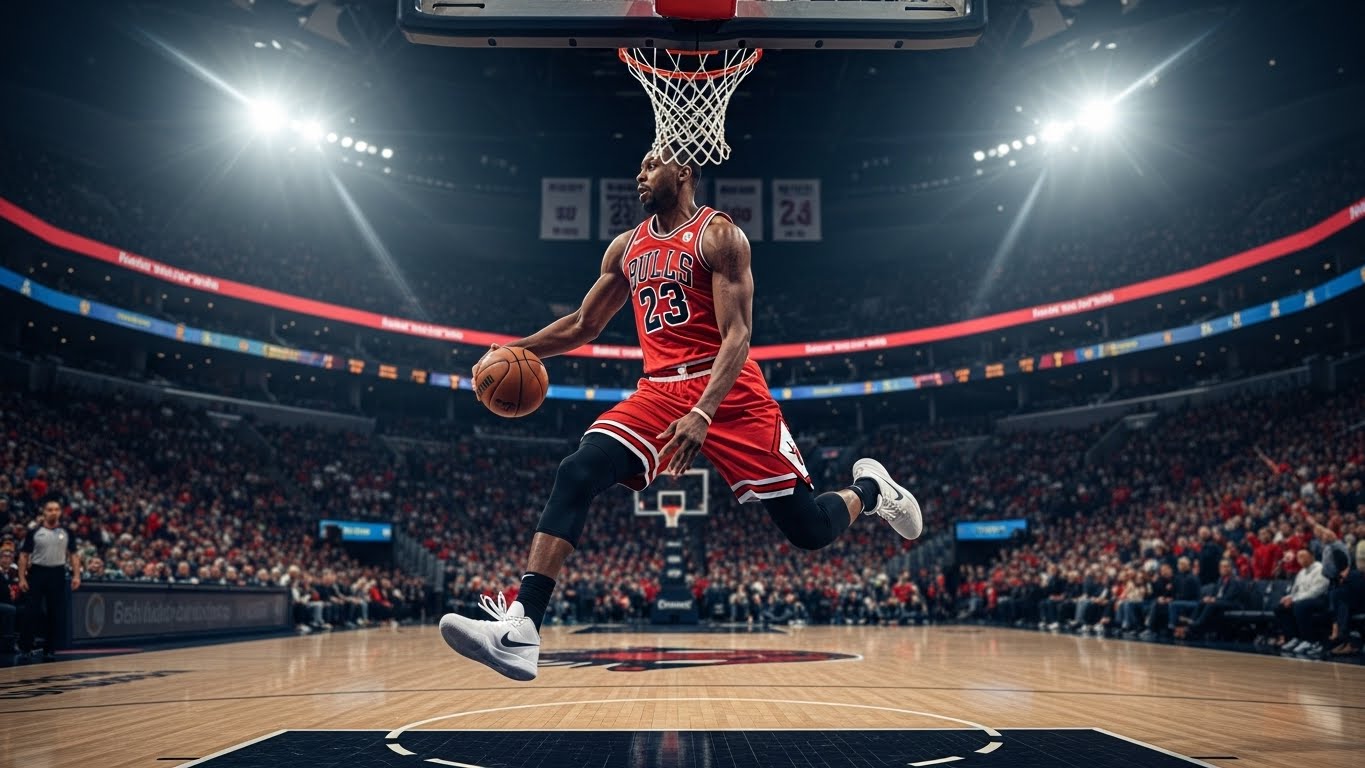

Sports have always been a universal language, transcending borders and cultures to bring people together. From ancient Olympic Games to modern-day global leagues, sports have woven themselves into the fabric of societies worldwide. Yet, while the passion and thrill of competition remain unchanged, the way we play, consume, and experience sports is evolving rapidly. The blend of tradition and innovation is creating a dynamic future where technology, sustainability, and new forms of competition are redefining the sports landscape. In this blog post, we will explore how sports have evolved and what lies ahead for athletes, fans, and the industry as a whole.
The Heartbeat of Sports: Tradition and Legacy
At its core, sports have always been a celebration of human skill, endurance, and teamwork. The roots of competitive sports date back to ancient civilizations, where games like the Greek Olympics or early forms of football and rugby were not just contests of strength but also cultural events that brought communities together.
Over time, these games evolved, establishing the rules and formats we recognize today. For example, modern football and basketball may have developed from traditional games, but the essence of these sports remains unchanged: they are still about strategy, athleticism, and the pursuit of victory. Fans still fill stadiums to witness their favorite teams battle it out, and young athletes continue to dream of achieving greatness through practice and dedication.
Though we live in an era of rapid technological advancements, the traditions of sports—the spirit of competition, the pride in national or team identities, and the human drama of victory and defeat—still resonate deeply. These aspects of sports create an emotional connection that transcends time and trends.
Technology Takes the Lead: Changing the Game
While tradition remains at the heart of sports, technology is undeniably shaping the future. From how athletes train to how games are viewed, technological advancements have revolutionized the sporting world in recent years.
Performance Enhancement Through Technology
Athletes today have access to tools that were unimaginable just a few decades ago. Wearable technology such as fitness trackers, smart shoes, and heart rate monitors now offer real-time insights into an athlete’s physical condition. These devices allow coaches to monitor everything from sleep patterns to hydration levels, helping them optimize performance and prevent injuries.
Advances in biomechanics and motion capture technologies are also changing how athletes approach their training. Using 3D motion sensors and high-definition video analysis, coaches can break down every movement of an athlete to improve technique and increase efficiency. The integration of artificial intelligence (AI) in sports analytics also allows for predictive analysis, identifying the strengths and weaknesses of both players and teams, enabling smarter strategies and gameplay.
Spectator Experience: The Digital Revolution
The fan experience has also undergone a dramatic transformation. Digital platforms now allow fans to access live sports events from anywhere in the world, often in more interactive and immersive ways than ever before. With high-definition broadcasts, multi-camera angles, and instant replays, fans can enjoy a deeper connection to the action, even from the comfort of their own homes.
Virtual reality (VR) and augmented reality (AR) are pushing the boundaries even further. VR headsets can transport fans to the middle of the action, offering virtual “front-row” seats at live events. Meanwhile, AR is changing how fans interact with games in real-time, such as providing real-time statistics or player bios right on their mobile devices during a live match.
These technologies are not just enhancing the viewing experience but also creating new ways for fans to engage with the sports they love, making the relationship between athlete and spectator more interactive than ever before.
E-Sports: A New Era of Competition
In the 21st century, a new form of competition has risen to the global stage: e-sports. Competitive gaming, often viewed as a niche hobby a few decades ago, is now a multi-billion-dollar industry. Games like “League of Legends,” “Counter-Strike,” and “Fortnite” have become international phenomena, with millions of players and fans worldwide.
What makes e-sports particularly fascinating is its ability to blend elements of traditional sports—competition, teamwork, skill—with the digital world. Professional gamers now train in much the same way as traditional athletes, developing strategies, practicing for hours, and analyzing data to gain a competitive edge.
E-sports tournaments fill arenas with screaming fans, and live streams on platforms like Twitch attract millions of viewers. Much like traditional sports, e-sports now have sponsorships, merchandise, and even collegiate leagues, legitimizing it as a viable career option for young players.
As e-sports continues to grow, traditional sports leagues have taken notice. Some have even embraced this new form of competition by partnering with e-sports leagues or incorporating gaming elements into their events. The cross-pollination of traditional sports and e-sports is creating a new, hybrid sports culture for the digital age.
Sustainability in Sports: Greening the Game
As awareness of climate change and environmental impact grows, the sports industry is increasingly focusing on sustainability. From the carbon footprint of large sporting events to the materials used in equipment and apparel, the environmental impact of sports is under scrutiny.
In response, many teams, leagues, and organizations are taking significant steps to reduce their environmental impact. Some stadiums are now powered by renewable energy, while others have implemented water conservation systems and waste reduction programs. The Tokyo 2020 Olympic Games, for example, utilized recycled materials to build medals and podiums, while the athletes’ uniforms were made from sustainable fabrics.
Sustainability is also reflected in the way sports organizations interact with their communities. Many teams now encourage fans to reduce their environmental footprint by using public transport or carpooling to games, as well as offering reusable merchandise to promote sustainability.
As sports continue to grow in popularity, it is crucial that the industry leads by example, embracing eco-friendly practices and promoting sustainability both on and off the field.
The Future of Sports: What’s Next?
The future of sports is as exciting as it is unpredictable. As technology continues to advance, new forms of competition, fan engagement, and performance optimization will emerge. One area of interest is the development of AI and robotics in sports, potentially leading to robotic referees, real-time performance analysis, and even robotic athletes in some forms of competition.
Furthermore, the integration of genetics and bioengineering may open doors to personalized sports training and even genetic modification to enhance performance. While such advancements raise ethical questions, they also hold the potential to push the boundaries of human achievement.
The blending of physical and digital experiences will also continue to evolve. With VR and AR becoming mainstream, future sports events may take on an entirely new dimension, where fans can experience games from multiple perspectives or even participate in virtual competitions.
Conclusion: A Bright Future for Sports
Sports have always been a reflection of human passion, perseverance, and unity. While the essence of sports—competition, skill, and the thrill of victory—remains unchanged, the way we train, play, and watch sports is evolving rapidly. From cutting-edge performance analytics to virtual fan experiences, technology is transforming every aspect of the sports world.
Yet, even as innovation reshapes the sports landscape, the importance of tradition, sustainability, and the human connection to sports remains steadfast. The future of sports will undoubtedly be shaped by a dynamic interplay between the old and the new, ensuring that the spirit of competition continues to inspire generations to come. As we look ahead, one thing is certain: sports will continue to evolve, but their ability to bring people together will always be their true power.